Emerging from the heart of Telangana like a stone-carved saga of valor, Warangal Fort stands as a testament to the architectural brilliance and indomitable spirit of the Kakatiya dynasty. Located in Warangal at an altitude of 300 meters, this 13th-century fortress, built under rulers like Ganapati Deva, is renowned for its intricately carved arches, massive gateways, and historical significance. A cultural treasure akin to the artistic allure of Salar Jung Museum, Warangal Fort captivates with its ruins, temples, and tales of a bygone era. For visitors to indiatourisminfo.com, the fort offers an immersive journey, whether you’re exploring its stone relics, marveling at Kakatiya artistry, or savoring Telangana’s vibrant culture. This historic bastion, echoing the grandeur of medieval India, is an unmissable destination in South India for history buffs, architecture enthusiasts, and travelers seeking Warangal’s timeless legacy.
Key Attractions
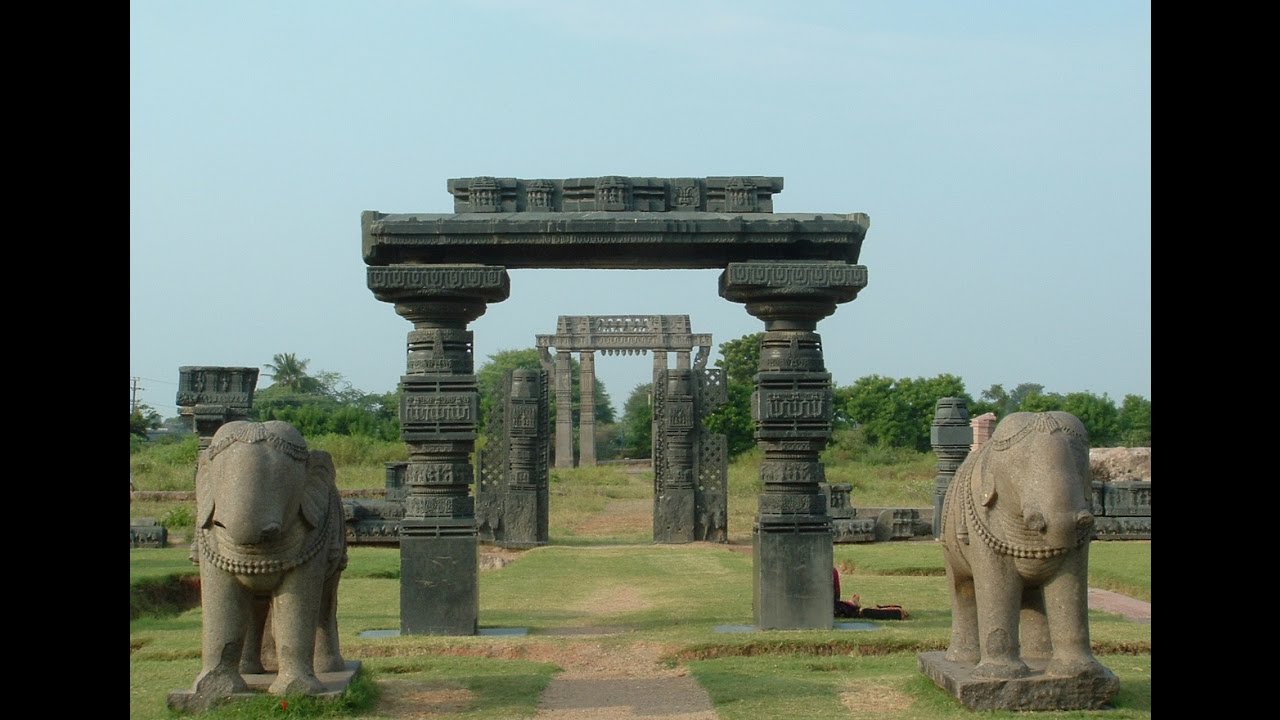
Kakatiya Arches: Four massive stone gateways (Kirti Toranas) with intricate carvings, symbolizing Kakatiya architecture.
Khush Mahal: A 14th-century audience hall built by the Tughlaqs, showcasing Indo-Islamic design.
Shiva Temple: A cluster of ancient temples within the fort, featuring Kakatiya-era sculptures.
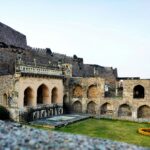
Fort Ruins: Remnants of palaces, granaries, and defensive walls, reflecting the fort’s strategic layout.
Swayambhu Temple: A historic temple dedicated to Lord Shiva, adorned with detailed carvings.
Ekashila Gutta: A nearby hill with a rock-cut temple, offering spiritual and scenic appeal.
Warangal Museum: A small on-site museum displaying Kakatiya artifacts and sculptures.
Things to Do
Explore Kakatiya Arches: Admire the intricate carvings and symmetry of the iconic Kirti Toranas.
Visit Khush Mahal: Wander through the grand hall, imagining its historical gatherings and Tughlaq influence.
Pray at Shiva Temples: Offer respects at the Swayambhu and other temples, soaking in their spiritual ambiance.
Discover Fort Ruins: Walk through the remnants of palaces and walls, tracing the fort’s medieval history.
Photography: Capture the fort’s arches, temple sculptures, or sunset views over Ekashila Gutta.
Visit Warangal Museum: Study Kakatiya artifacts, coins, and sculptures for historical insights.
Attend Kakatiya Festival: Join cultural events with music and dance (February 2025, dates TBD).
Savor Telangana Cuisine: Relish pachi pulusu, sarva pindi, or biryani at nearby eateries like Hanamkonda restaurants.
Local Culture and History
Warangal Fort, constructed in the 13th century by the Kakatiya dynasty, was the capital of their empire, flourishing under rulers like Rudrama Devi and Prataparudra. Renowned for its architectural innovation, the fort’s Kirti Toranas and temples showcase intricate stonework that influenced South Indian design. The Tughlaq-era Khush Mahal reflects later Islamic influences after the fort’s capture in the 14th century. Warangal’s culture thrives with Telangana traditions, featuring folk dances like Perini Shivatandavam and cuisine like gongura chutney, jonna rotte, and biryani. Local markets sell Kalamkari textiles and Warangal dhurries, echoing Surajkund’s artisanal vibe. Festivals like Kakatiya Festival and Bonalu bring vibrant celebrations, akin to Golconda Fort’s festive allure. Warangal’s blend of Kakatiya heritage and modern Telangana’s warmth offers visitors a rich cultural tapestry.
Best Time to Visit
Warangal Fort is a year-round destination, with October to March (autumn and winter, 15–30°C) ideal for exploring the fort’s ruins, temples, and nearby hills, thanks to pleasant weather. February is vibrant with the Kakatiya Festival (2025 dates TBD), drawing cultural enthusiasts. April to June (spring and summer, 25–40°C) is suitable for early morning (8–10 AM) or evening visits (post-4 PM) to avoid heat; shaded temple areas provide relief. The monsoon (July–September) brings lush greenery but slippery stone paths; carry umbrellas and sturdy shoes. Early mornings offer fewer crowds and soft light for photography, while evenings are ideal for festival events. Book accommodations early for festival or peak seasons (October–March) to secure spots in Warangal or Hanamkonda.
How to Reach
By Air: The nearest airport is Rajiv Gandhi International Airport (Hyderabad, 150 km away, ~3-hour drive), with flights from Delhi, Mumbai, and Bengaluru. Taxis from the airport cost ~₹2000–3500.
By Train: The nearest railway station is Warangal Railway Station (3 km, ~10-minute drive), with trains from Hyderabad, Chennai, and Delhi. Taxis or auto-rickshaws from the station cost ~₹50–150. Kazipet Junction (10 km, ~20 minutes) is another option.
By Road: Warangal is accessible via NH163 from Hyderabad (150 km, 3 hours) or Vijayawada (250 km, 5 hours). TSRTC buses, private taxis (~₹2000–3500 from Hyderabad), or shared cabs (~₹200–400) reach Warangal. Self-driven cars have parking near the fort.
Local Transport: From Warangal city, hire taxis (~₹100–300) or auto-rickshaws (~₹50–150); TSRTC buses (~₹20–50) connect to the fort.
Travel Tips
Booking: No advance tickets are needed for fort entry; book accommodations in Warangal for festivals like Kakatiya Festival.
Cost: Fort entry is free; Warangal Museum ~₹20 for Indians, ₹100 for foreigners (as of 2023; verify 2025 rates).
Dress: Wear comfortable clothing and shoes for walking; carry hats or umbrellas for sun or rain; modest attire for temples.
Safety: Secure valuables in crowded areas; follow ASI guidelines; avoid climbing unstable ruins; beware of uneven paths.
Respect Local Culture: Maintain silence in temples; seek permission before photographing rituals; bargain politely in nearby markets.
Connectivity: Mobile networks are reliable; Wi-Fi is available at hotels in Warangal; carry cash for small vendors and autos.
Environment: Avoid littering to preserve the heritage site; use designated bins.
Accessibility: Ground-level areas are accessible; some ruins and temples have steps; inform staff for assistance.
Nearby Attractions
Thousand Pillar Temple (5 km): A 12th-century Kakatiya temple with intricate stone carvings.
Bhadrakali Temple (6 km): A historic temple dedicated to Goddess Bhadrakali, a spiritual hub.
Pakhal Lake (50 km): A serene lake surrounded by forests, ideal for picnics and boating.
Ramappa Temple (70 km): A UNESCO World Heritage Site with stunning Kakatiya architecture.
Golconda Fort (150 km): A 13th-century fortress in Hyderabad with acoustic wonders and a sound-and-light show.
Explore More
Discover other Telangana treasures like the stunning Ramappa Temple or majestic Golconda Fort on our Telangana destinations page. Plan your historical and cultural journey with indiatourisminfo.com today!