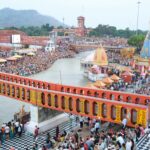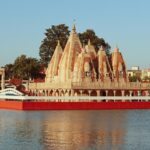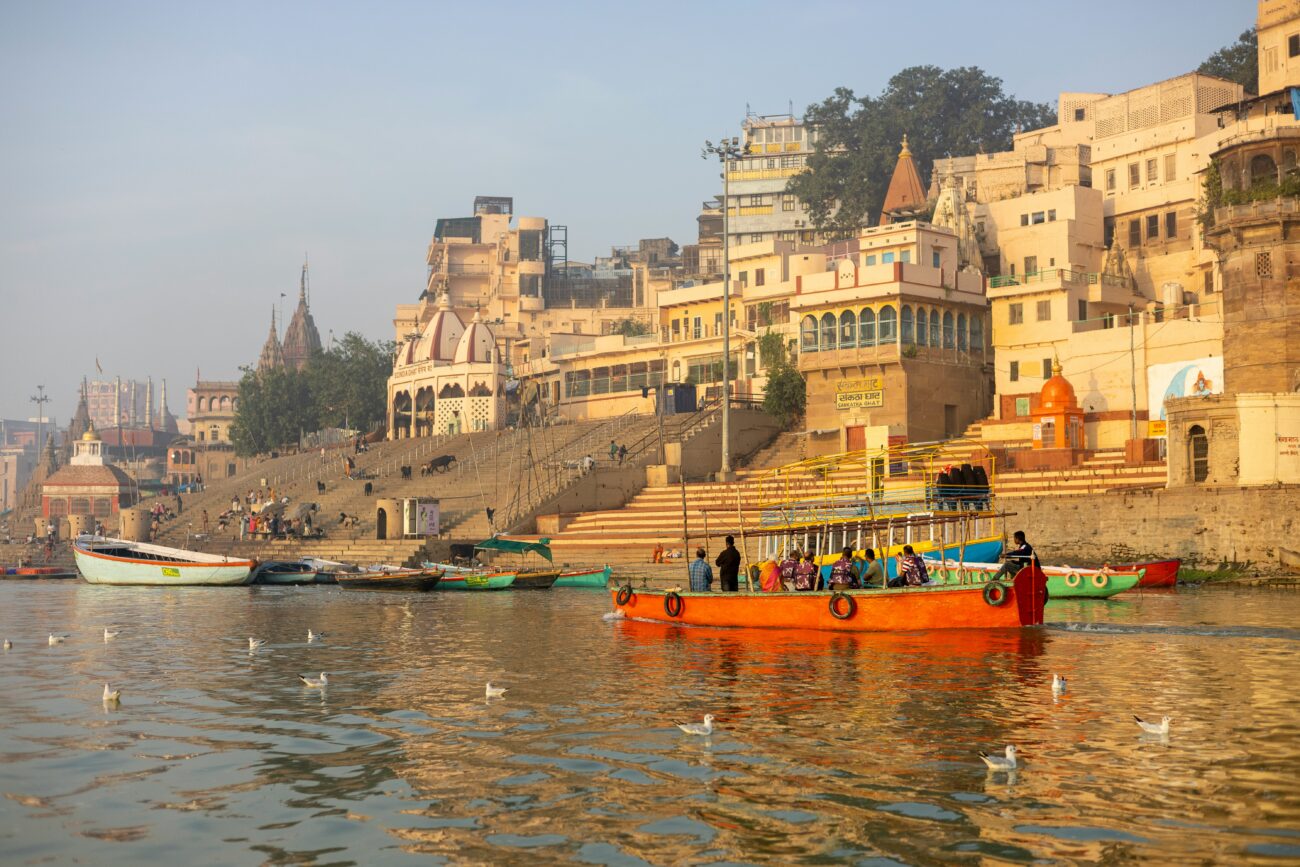
Lining the sacred banks of the Ganges like a vibrant tapestry of devotion, the Varanasi Ghats embody the spiritual essence of India’s oldest living city. Located in Varanasi, Uttar Pradesh, at an altitude of 80 meters, these 88 riverfront steps stretch over 6 km, serving as sacred sites for Hindu rituals, cremations, and celebrations. Known as Kashi, Varanasi is one of the world’s holiest cities, drawing pilgrims and travelers to ghats like Dashashwamedh and Manikarnika, each with its own lore. A spiritual haven akin to the Taj Mahal’s romantic allure, the ghats pulse with Ganga aartis, yoga, and timeless traditions. For visitors to indiatourisminfo.com, the Varanasi Ghats offer an immersive journey, whether you’re witnessing evening prayers, cruising the Ganges, or soaking in the city’s mystical aura. This sacred destination, blending spirituality and culture, is an unmissable gem in North India for those seeking divine connection and historical depth.
Key Attractions
Dashashwamedh Ghat: The most vibrant ghat, famous for its grand evening Ganga aarti and bustling activity.
Manikarnika Ghat: The primary cremation ghat, revered as a sacred site for attaining moksha (liberation).
Assi Ghat: A serene southern ghat, popular for morning yoga and spiritual gatherings.
Harishchandra Ghat: A smaller cremation ghat with historical significance, quieter than Manikarnika.
Kedar Ghat: Known for its South Indian-style temple and tranquil ambiance, ideal for rituals.
Tulsi Ghat: Linked to poet Tulsidas, hosting cultural events and serene river views.
Scindia Ghat: A partially submerged ghat with leaning temples, offering unique architectural charm.
Things to Do
Attend Ganga Aarti: Witness the mesmerizing evening aarti at Dashashwamedh Ghat, with chants and lamps.
Take a Boat Ride: Cruise the Ganges at sunrise or sunset, viewing ghats and their rituals from the water.
Practice Yoga at Assi Ghat: Join morning yoga sessions or meditate by the river for spiritual rejuvenation.
Explore Manikarnika Ghat: Observe cremation rituals respectfully, understanding Hindu beliefs about moksha.
Photography: Capture the ghats’ vibrant scenes, aarti lights, or sunrise hues, respecting local sensitivities.
Visit Kedar Ghat Temple: Offer prayers at the Kedareshwar Temple, soaking in its serene vibe.
Attend Dev Deepavali: Experience the festival of lights on Kartik Purnima (November 2025, dates TBD), with illuminated ghats.
Shop in Local Markets: Buy Banarasi sarees, brassware, and sweets like malaiyo near Godowlia Market.
Local Culture and History
Varanasi, one of the world’s oldest inhabited cities, dates back over 3,000 years, revered in Hinduism, Jainism, and Buddhism. The ghats, mentioned in ancient texts like the Puranas, evolved as sacred steps for bathing, cremation, and rituals along the Ganges, believed to cleanse sins. Dashashwamedh Ghat is linked to Lord Brahma’s sacrifice, while Manikarnika is tied to Lord Shiva’s mythology. Varanasi’s culture thrives with classical music, Banarasi sarees, and cuisine like kachori, litti-chokha, and thandai. Locals celebrate festivals like Dev Deepavali and Maha Shivratri with fervor, filling ghats with lamps and chants. Artisans sell handicrafts and religious items, echoing Surajkund’s craft heritage. The ghats’ spiritual aura, akin to the Taj Mahal’s historical grandeur, offers visitors a profound blend of devotion, tradition, and Varanasi’s timeless cultural vibrancy.
Best Time to Visit
Varanasi Ghats are a year-round destination, with October to March (autumn and winter, 5–25°C) ideal for exploring ghats and temples, thanks to cool weather and clear skies. November is vibrant with Dev Deepavali (November 2025, dates TBD), drawing large crowds. April to June (spring and summer, 20–45°C) is suitable for early morning (5–9 AM) or evening visits (post-4 PM) to avoid heat; boat rides offer relief. The monsoon (July–September) enhances the Ganges’ flow but makes ghats slippery; carry umbrellas and avoid crowded areas. Early mornings are serene for yoga and photography, while evenings buzz with aartis. Book accommodations early for festivals (November–February) or peak seasons (October–March) to secure spots in central Varanasi.
How to Reach
By Air: The nearest airport is Lal Bahadur Shastri International Airport (Varanasi, 25 km away, ~45-minute drive), with flights from Delhi, Mumbai, and Bengaluru. Taxis from the airport cost ~₹500–1000.
By Train: Varanasi Junction (5 km from Dashashwamedh Ghat, ~15-minute drive) is well-connected to Delhi, Kolkata, and Agra. Taxis or auto-rickshaws from the station cost ~₹100–300.
By Road: Varanasi is accessible via NH19 from Agra (330 km, 6–7 hours) or Allahabad (120 km, 3 hours). UPSRTC buses, private taxis (~₹4000–6000 from Agra), or shared cabs (~₹300–600) are available. Self-driven cars have parking near Godowlia.
Local Transport: From Varanasi Junction, hire taxis (~₹200–400) or auto-rickshaws (~₹50–150); cycle rickshaws (~₹20–50) or e-rickshaws are ideal for navigating narrow ghat lanes.
Travel Tips
Booking: Reserve accommodations near ghats for festivals like Dev Deepavali or peak seasons (October–March); book boat rides or aarti seats through reputable operators.
Cost: Ghat access is free; boat rides ~₹200–1000 per hour; aarti viewing is free (VIP seats ~₹100–500); verify 2023 rates for 2025.
Dress: Wear modest clothing covering shoulders and knees; comfortable shoes for uneven ghat steps; carry scarves for temples.
Safety: Secure valuables in crowded areas; avoid unofficial guides; be cautious near water; respect cremation ghat protocols.
Respect Local Culture: Maintain silence during aartis; seek permission before photographing rituals or cremations; avoid public displays of affection.
Connectivity: Mobile networks are reliable; Wi-Fi is available at hotels; carry cash for boatmen and small vendors.
Environment: Avoid littering to preserve the Ganges; use designated bins; support eco-friendly boat operators.
Accessibility: Ghats have steps, limiting wheelchair access; Assi Ghat is relatively flatter; inform boatmen for assistance.
Nearby Attractions
Kashi Vishwanath Temple (2 km): A sacred Jyotirlinga shrine dedicated to Lord Shiva, bustling with devotees.
Sarnath (10 km): A Buddhist pilgrimage site where Buddha gave his first sermon, with stupas and museums.
Banaras Hindu University (6 km): A historic campus with Bharat Kala Bhavan Museum and Vishwanath Temple.
Ramnagar Fort (5 km): A 17th-century fort on the Ganges with a museum and Ram Leela performances.
Taj Mahal, Agra (330 km): A UNESCO World Heritage Site, an iconic Mughal monument of love.
Explore More
Discover other Uttar Pradesh treasures like the sacred Kashi Vishwanath Temple or historic Taj Mahal on our Uttar Pradesh destinations page. Plan your spiritual and cultural journey with indiatourisminfo.com today!