Unfurling like a primal tapestry of tangled mangroves and untamed rivers, Sundarbans National Park in West Bengal stands as a UNESCO World Heritage Site and the world’s largest mangrove forest, teeming with biodiversity. Located at sea level in the Ganges Delta, this sprawling 10,000-square-kilometer ecosystem, established as a tiger reserve in 1973, is renowned for its Royal Bengal Tigers, winding waterways, and unique flora. A natural wonder akin to the Himalayan allure of Darjeeling, Sundarbans captivates with its wildlife, boat safaris, and serene landscapes. For visitors to indiatourisminfo.com, the park offers an immersive adventure, whether you’re spotting tigers, cruising through creeks, or exploring Bengal’s coastal culture. This wild haven, blending nature’s raw beauty with West Bengal’s cultural depth, is an unmissable destination in East India for wildlife enthusiasts, eco-travelers, and adventurers seeking a brush with the wild.
Key Attractions
Royal Bengal Tiger: The park’s iconic inhabitant, best spotted during boat safaris in the core area.
Mangrove Forests: A vast network of tidal waterways and dense mangroves, home to unique flora like sundari trees.
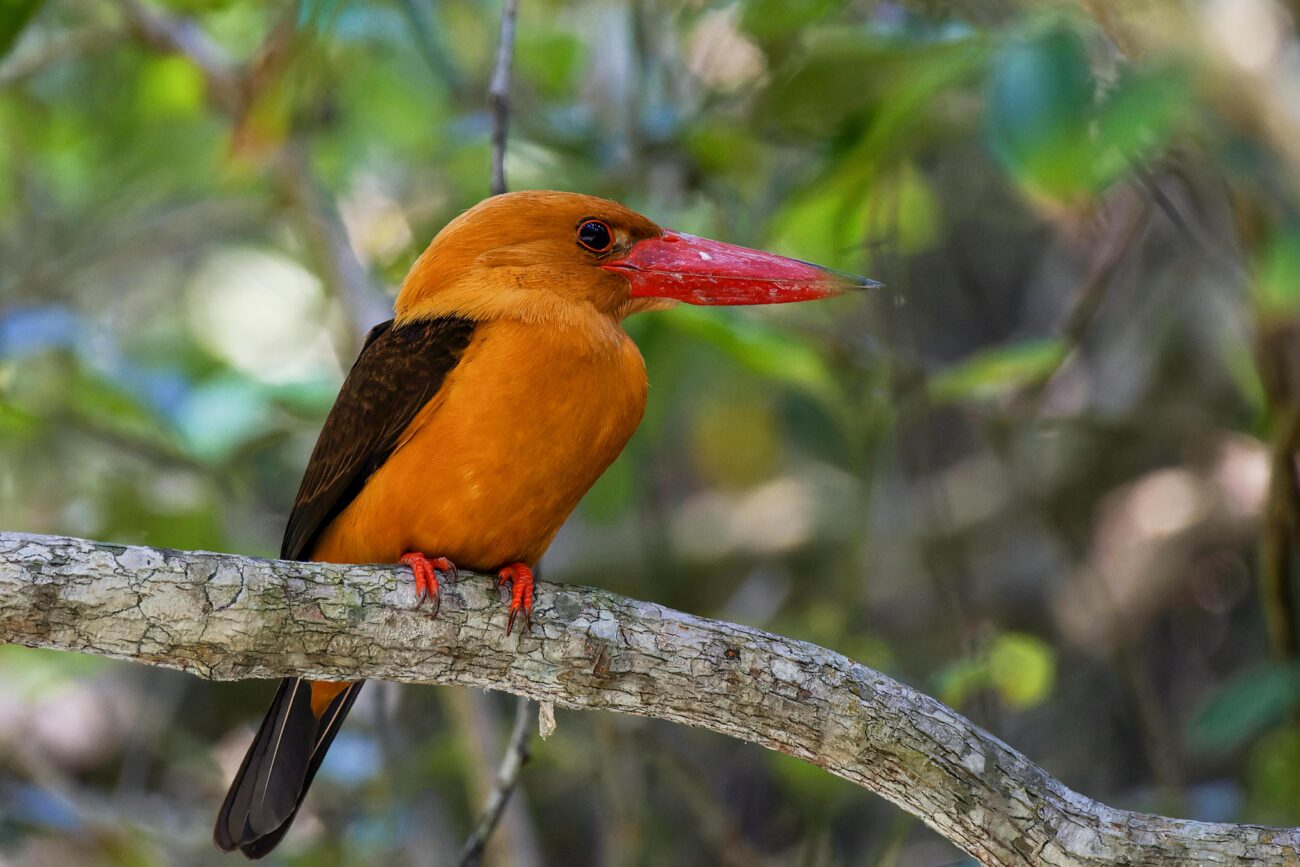
Sajnekhali Bird Sanctuary: A haven for birdwatchers with species like herons, kingfishers, and egrets.
Netidhopani Watchtower: A vantage point for spotting tigers, deer, and crocodiles in the wild.
Bhagabatpur Crocodile Project: A breeding center for saltwater crocodiles, offering educational tours.
Sudhanyakhali Watchtower: A popular spot for wildlife viewing and panoramic mangrove vistas.
Dobanki Canopy Walk: An elevated walkway offering immersive views of the mangrove ecosystem.
Things to Do
Take a Boat Safari: Cruise through mangrove creeks to spot tigers, crocodiles, and dolphins.
Visit Sajnekhali Bird Sanctuary: Observe migratory and resident birds with guided tours.
Explore Watchtowers: Climb Netidhopani or Sudhanyakhali towers for wildlife sightings and photography.
Tour Bhagabatpur Crocodile Project: Learn about crocodile conservation and see hatchlings.
Walk the Dobanki Canopy: Experience the mangrove canopy with guided walks for scenic views.
Photography: Capture mangroves, wildlife, or sunsets over the delta’s waterways.
Attend Sundarbans Mela: Join cultural performances and eco-fairs (January–February 2025, dates TBD).
Savor Bengali Cuisine: Relish chingri malai curry, bhetki paturi, or roshogolla at local eateries in Gosaba.
Local Culture and History
The Sundarbans, named after the sundari tree, has been a vital ecosystem for centuries, with human settlements dating back to the Mauryan era. Declared a UNESCO site in 1987, it gained prominence as a tiger reserve under Project Tiger in 1973. The region’s culture is rooted in Bengal’s coastal communities, with fishing, honey collection, and folk traditions like Bonbibi worship, a deity revered for protecting against tigers. Local cuisine features shorshe ilish, pabda mach, and mishti doi, while markets sell jute crafts and terracotta, echoing Surajkund’s artisanal vibe. Festivals like Sundarbans Mela and Durga Puja bring vibrant celebrations, akin to Victoria Memorial’s festive allure. The Sundarbans’ blend of ecological significance and Bengali traditions offers visitors a unique cultural immersion.
Best Time to Visit
Sundarbans National Park is best visited from November to March (winter, 10–30°C), ideal for boat safaris, wildlife spotting, and exploring watchtowers, thanks to cool, dry weather. January–February is vibrant with the Sundarbans Mela (2025 dates TBD), showcasing local culture. April to June (summer, 25–40°C) is suitable for early morning (6–9 AM) or evening safaris (post-4 PM) to avoid heat; shaded boats provide relief. The monsoon (July–October) brings heavy rain and high tides, limiting access and increasing mosquito activity; carry repellents. Early mornings offer optimal wildlife sightings, while evenings suit cultural events. Book safari permits and accommodations early for peak seasons (November–March) to secure spots in Gosaba or Canning.
How to Reach
By Air: The nearest airport is Netaji Subhas Chandra Bose International Airport (Kolkata, 110 km away, ~3-hour drive), with flights from Delhi, Mumbai, and Bengaluru. Taxis from Kolkata to Canning or Gosaba cost ~₹2000–3500.
By Train: The nearest railway station is Canning (50 km from park entry points, ~1.5-hour drive), with trains from Kolkata’s Sealdah Station. Taxis or auto-rickshaws from Canning cost ~₹500–1000. Howrah Junction (120 km, ~3.5 hours) is another option.
By Road: Sundarbans is accessible via NH12 from Kolkata (110 km to Gosaba, 3 hours). WBTC buses, private taxis (~₹2000–3500 from Kolkata), or shared jeeps (~₹100–300) reach entry points like Gosaba or Godkhali. Boats from these points access the park.
Local Transport: From Gosaba or Godkhali, hire boats (~₹1000–3000/day) for safaris; auto-rickshaws (~₹50–200) connect to jetties.
Travel Tips
Booking: Obtain safari permits from the West Bengal Forest Department in Kolkata or Gosaba; book accommodations and boat tours in advance for peak seasons.
Cost: Safari permits ~₹100–200 for Indians, ₹1000 for foreigners; boat safaris ~₹2000–5000; entry fees ~₹60–150 (as of 2023; verify 2025 rates).
Dress: Wear comfortable, muted clothing for safaris; carry mosquito repellent, hats, and raincoats for weather changes.
Safety: Follow guide instructions on safaris; avoid swimming in rivers; secure valuables; carry water and snacks for long tours.
Respect Local Culture: Honor Bonbibi rituals; seek permission for photography in villages; respect wildlife conservation rules.
Connectivity: Mobile networks are patchy in the park; Wi-Fi is available at Gosaba hotels; carry cash for local vendors and boats.
Environment: Avoid littering to protect the ecosystem; use designated bins; support eco-friendly tour operators.
Accessibility: Boats and watchtowers are accessible; some trails are uneven; inform guides for assistance.
Nearby Attractions
Victoria Memorial (110 km): A grand marble monument in Kolkata with colonial artifacts and gardens.
Kolkata Maidan (110 km): A vast urban park hosting cultural events and sports near Victoria Memorial.
Bakkhali Beach (80 km): A serene beach with coastal walks and local seafood.
Frazerganj (85 km): A fishing village with beaches and migratory bird sightings.
Howrah Bridge (112 km): An iconic cantilever bridge over the Hooghly River in Kolkata.
Explore More
Discover other West Bengal treasures like the majestic Victoria Memorial or serene Bakkhali Beach on our West Bengal destinations page. Plan your wildlife and cultural journey with indiatourisminfo.com today!