Nestled amidst the tranquil landscapes of Haryana, Sultanpur Bird Sanctuary emerges as a vibrant haven for birdwatchers and nature enthusiasts, offering a serene escape into the world of migratory birds. Located in Gurugram district at an altitude of 230 meters, this 143-hectare sanctuary, just 40 km from Delhi, is renowned for hosting over 250 bird species, including flamingos, Siberian cranes, and painted storks. Established in 1971 and upgraded to a National Park in 1989, Sultanpur’s lush wetlands, marshes, and grasslands create a perfect habitat for both resident and migratory birds. Its peaceful ambiance, akin to the spiritual serenity of nearby Kurukshetra, makes it a unique eco-tourism destination. For visitors to indiatourisminfo.com, Sultanpur offers an immersive nature experience, whether you’re spotting rare birds, strolling along scenic trails, or capturing the beauty of its lakes. This avian paradise, blending biodiversity with tranquility, is an unmissable destination in North India for those seeking a connection with nature.
Key Attractions
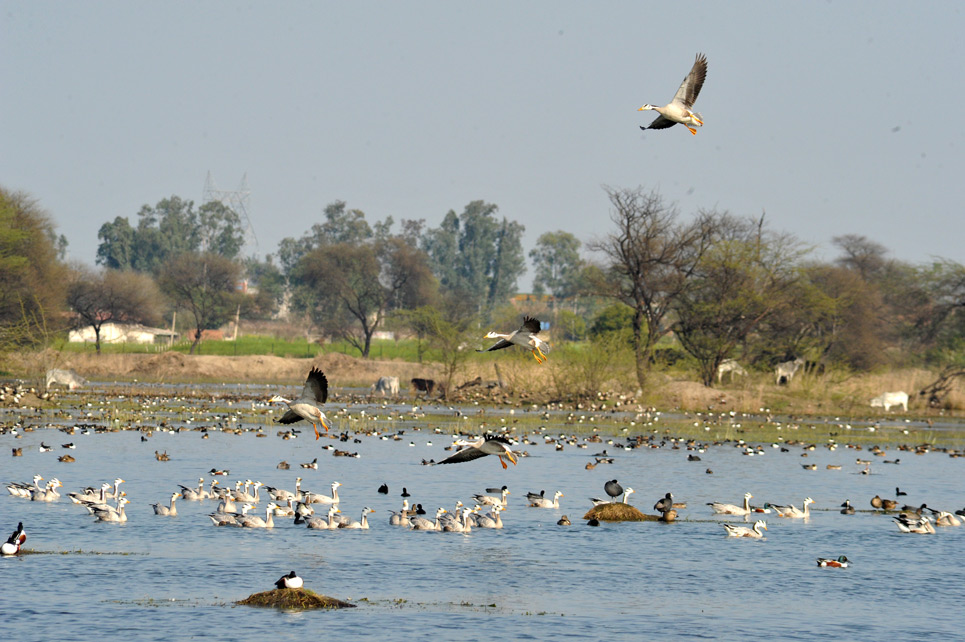
Sultanpur Lake: The heart of the sanctuary, a wetland attracting migratory birds like bar-headed geese and Eurasian spoonbills.
Birdwatching Towers: Elevated platforms offering panoramic views for spotting birds across the sanctuary.
Nature Trails: Scenic paths winding through marshes and grasslands, ideal for birdwatching and exploration.
Interpretation Centre: An educational hub with displays on bird species, migration patterns, and conservation efforts.
Rosary Garden: A landscaped area with flowering plants, attracting butterflies and smaller birds.
Migratory Bird Hideouts: Designated spots for observing rare species like black-necked storks and demoiselle cranes.
Wildlife Museum: A small museum showcasing preserved specimens and information on the sanctuary’s ecosystem.
Things to Do
Birdwatching: Spot migratory birds like flamingos, pelicans, and Siberian cranes using binoculars from towers or hides.
Walk Nature Trails: Stroll along designated paths to observe birds, butterflies, and the sanctuary’s flora.
Photography: Capture vibrant bird species, serene lakes, and sunrise vistas, especially during winter migrations.
Visit Interpretation Centre: Learn about bird migration, local ecology, and conservation through interactive exhibits.
Explore Rosary Garden: Enjoy the colorful blooms and spot smaller birds like sunbirds and warblers.
Guided Tours: Join park-guided tours for expert insights on bird species and sanctuary history.
Picnic by the Lake: Relax near Sultanpur Lake with packed meals, soaking in the serene ambiance (no food stalls inside).
Attend Bird Festivals: Participate in events like the Haryana Bird Festival (January–February) for talks and birdwatching workshops.
Local Culture and History
Sultanpur Bird Sanctuary, named after Sultan Singh, a local zamindar, was established in 1971 by ornithologist Dr. Salim Ali, who recognized its potential as a bird haven. Declared a National Park in 1989, it plays a crucial role in conserving migratory birds from Europe, Siberia, and Central Asia. The surrounding Haryanvi culture is vibrant, with locals known for their hospitality, folk dances like saang and khoria, and traditional attire. Nearby villages offer rustic charm, with dhabas serving Haryanvi dishes like bajra roti, kheer, and lassi. Markets in Gurugram sell handicrafts, pottery, and traditional jewelry, reflecting Haryana’s artisanal heritage. The sanctuary’s conservation efforts involve local communities, fostering eco-tourism awareness. Festivals like Lohri (January) and the Haryana Bird Festival bring the region alive with cultural performances, offering visitors a blend of nature and Haryanvi traditions, complementing the historical richness of nearby Kurukshetra.
Best Time to Visit
Sultanpur Bird Sanctuary is best visited from November to March (winter, 5–25°C), when migratory birds arrive from Siberia, Europe, and Central Asia, making it ideal for birdwatching and photography. The weather is cool, and the sanctuary is lush, enhancing visibility. April to June (spring and summer, 20–40°C) is less crowded, but fewer birds are present; early morning visits (6–9 AM) are recommended to avoid heat. The monsoon (July–September) brings rain, making trails muddy and birdwatching challenging; some areas may close for maintenance. Early mornings offer the best light and bird activity, while evenings (4–6 PM) are serene for lake views. Plan around the Haryana Bird Festival (January–February 2025, dates TBD) for guided tours and events, but book accommodations early during peak season (November–March) to secure spots in nearby Gurugram.
How to Reach
By Air: The nearest airport is Indira Gandhi International Airport (Delhi, 40 km away, ~1-hour drive), with flights from Mumbai, Bengaluru, and international hubs. Taxis from Delhi cost ~₹1000–2000.
By Train: The nearest railway station is Gurugram (15 km, ~30-minute drive), with trains from Delhi, Chandigarh, and Jaipur. Taxis or auto-rickshaws from Gurugram cost ~₹300–600. Alternatively, use Delhi stations (50 km, ~1.5 hours).
By Road: Sultanpur is accessible via NH48 from Delhi (40 km, 1 hour) or Gurugram (15 km, 30 minutes). HRTC buses, private taxis (~₹800–1500 from Delhi), or shared cabs (~₹200–400 from Gurugram) are available. Self-driven cars are popular due to proximity to Delhi.
Local Transport: From Gurugram, hire taxis (~₹500–1000) or auto-rickshaws (~₹200–400) to the sanctuary; no public transport enters the park, so arrange return trips.
Travel Tips
Booking: Reserve accommodations in Gurugram during peak season (November–March) or bird festivals; book guided tours via the sanctuary’s official website.
Cost: Entry ~₹50–100 for adults; camera fees ~₹100–200; guided tours ~₹500–1000 (as of 2023; verify current rates).
Dress: Wear neutral-colored clothing (greens, browns) for birdwatching; comfortable shoes for trails; carry hats, sunglasses, and umbrellas for sun or rain.
Safety: Stick to designated trails to avoid disturbing wildlife; carry insect repellent; avoid flash photography to protect birds.
Equipment: Bring binoculars and telephoto lenses for birdwatching; tripods are useful for photography.
Connectivity: Mobile networks are reliable; Wi-Fi is unavailable in the sanctuary; carry cash for entry and vendors.
Environment: Avoid littering to preserve the ecosystem; use designated bins; do not feed birds or animals.
Respect Local Culture: Seek permission before photographing locals in nearby villages; respect sanctuary guidelines to protect wildlife.
Nearby Attractions
Kurukshetra (130 km): A sacred city tied to the Mahabharata, with Jyotisar and Brahma Sarovar.
Delhi (40 km): India’s capital with Red Fort, Qutub Minar, and bustling markets like Chandni Chowk.
Gurugram (15 km): A modern city with Cyber Hub, Kingdom of Dreams, and vibrant nightlife.
Damdama Lake (30 km): A scenic lake offering boating and adventure activities, ideal for day trips.
Neemrana Fort (120 km): A historic fort-palace with heritage stays and panoramic views.
Explore More
Discover other Haryana treasures like the historic Kurukshetra or vibrant Gurugram on our Haryana destinations page. Plan your nature and cultural journey with indiatourisminfo.com today!