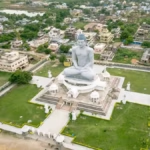
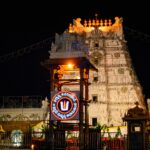
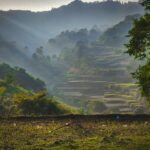
Cradled in the lush embrace of the Nallamala hills like a divine retreat, Srisailam in Andhra Pradesh shines as a sacred pilgrimage site and a haven of natural beauty. Located at an altitude of 410 meters, this ancient town is renowned for the Mallikarjuna Temple, one of the 12 Jyotirlingas, and its serene location along the Krishna River. A spiritual and ecological gem akin to the Buddhist heritage of Amaravati, Srisailam draws devotees and nature lovers with its sacred shrines, dense forests, and wildlife sanctuaries. For visitors to indiatourisminfo.com, Srisailam offers an enriching journey, whether you’re seeking darshan, trekking through forests, or exploring ancient caves. This sacred destination, blending devotion with the tranquility of nature, is an unmissable gem in South India for pilgrims, adventurers, and cultural explorers seeking a soulful escape.
Key Attractions
Mallikarjuna Temple: A revered Jyotirlinga shrine dedicated to Lord Shiva, featuring Dravidian architecture and ancient inscriptions.
Brahmaramba Temple: A Shakti Peetha dedicated to Goddess Parvati, adjacent to the Mallikarjuna Temple.
Srisailam Dam: A majestic dam on the Krishna River, offering scenic views and engineering marvels.
Akkamahadevi Caves: Ancient caves accessible by boat, tied to spiritual and historical significance.
Nallamala Forest: A biodiverse reserve with trekking trails and wildlife like tigers and leopards.
Patalaganga: A sacred spot on the Krishna River, ideal for ritual baths and serene walks.
Sikhareswara Swamy Temple: A hilltop temple offering panoramic views of the Nallamala hills.
Things to Do
Seek Darshan at Mallikarjuna Temple: Offer prayers at this Jyotirlinga shrine, participating in rituals like Abhishekam.
Visit Brahmaramba Temple: Pay respects at the Shakti Peetha, admiring its intricate carvings and spiritual ambiance.
Explore Srisailam Dam: Marvel at the dam’s structure and enjoy scenic views of the Krishna River.
Boat to Akkamahadevi Caves: Take a boat ride on the Krishna River to explore these ancient, spiritual caves.
Trek in Nallamala Forest: Join guided treks to spot wildlife or enjoy the lush greenery of the sanctuary.
Photography: Capture the temples’ gopurams, dam views, or misty hills, especially at sunrise or sunset.
Attend Maha Shivratri: Join the grand festival (February–March 2025, dates TBD) with vibrant rituals and processions.
Relax at Patalaganga: Take a ritual dip or stroll along the sacred riverbank, soaking in its tranquility.
Local Culture and History
Srisailam’s history dates back to the 2nd century BCE, with the Mallikarjuna Temple mentioned in ancient texts like the Mahabharata and Puranas. As one of the 12 Jyotirlingas and a Shakti Peetha, it holds immense spiritual significance for Hindus. The temple, rebuilt by the Vijayanagara rulers in the 15th century, showcases Dravidian architecture. Srisailam’s culture thrives with Andhra traditions, featuring Carnatic music, Kuchipudi dance, and cuisine like pulihora, vada, and pesarattu. Local markets sell brassware, Kalamkari textiles, and religious souvenirs, echoing Surajkund’s artisanal vibe. Festivals like Maha Shivratri and Ugadi bring vibrant celebrations, with devotees flocking to the temples, akin to Tirupati’s spiritual fervor. The Nallamala forests add an ecological dimension, blending spirituality with Andhra’s rich cultural tapestry.
Best Time to Visit
Srisailam is a year-round destination, with October to March (autumn and winter, 15–30°C) ideal for temple visits, trekking, and dam exploration, thanks to cool, pleasant weather. February–March is vibrant with Maha Shivratri (2025 dates TBD), drawing large crowds. April to June (spring and summer, 25–40°C) is suitable for early morning (5–9 AM) or evening visits (post-4 PM) to avoid heat; shaded temple areas offer relief. The monsoon (July–September) brings lush forests and a gushing Krishna River but slippery trails; carry raincoats and sturdy shoes. Early mornings are serene for darshan and photography, while evenings buzz with temple rituals. Book accommodations early for festivals or peak seasons (October–March) to secure spots in Srisailam or Kurnool.
How to Reach
By Air: The nearest airport is Rajiv Gandhi International Airport (Hyderabad, 200 km away, ~4.5-hour drive), with flights from Delhi, Chennai, and Bengaluru. Taxis from the airport cost ~₹3000–5000.
By Train: The nearest railway station is Markapur Road (80 km, ~2-hour drive), with trains from Hyderabad and Vijayawada. Taxis or auto-rickshaws from the station cost ~₹800–1500. Kurnool Junction (180 km, ~4 hours) is another option.
By Road: Srisailam is accessible via SH5 from Hyderabad (200 km, 4.5 hours) or Kurnool (180 km, 4 hours). APSRTC buses, private taxis (~₹3000–5000 from Hyderabad), or shared cabs (~₹300–600) are available. Self-driven cars have parking near the temple.
Local Transport: From Srisailam town, hire taxis (~₹200–500) or auto-rickshaws (~₹50–150) to reach temples and dam; APSRTC buses connect to Patalaganga and caves.
Travel Tips
Booking: Reserve accommodations and darshan via TTD or local operators for festivals like Maha Shivratri; book boat rides to Akkamahadevi Caves in advance.
Cost: Temple entry is free; special darshan ~₹100–500; boat rides to caves ~₹200–500; forest trekking permits vary (as of 2023; verify 2025 rates).
Dress: Wear traditional, modest clothing for temples (sarees/dhotis preferred); trekking shoes for forests; carry hats or raincoats for weather changes.
Safety: Secure valuables in crowded temple areas; follow forest guide instructions; avoid unofficial touts; be cautious near riverbanks.
Respect Local Culture: Maintain silence during temple rituals; seek permission before photographing ceremonies; respect sacred sites like Patalaganga.
Connectivity: Mobile networks are reliable in Srisailam town; Wi-Fi is available at hotels; carry cash for small vendors and autos.
Environment: Avoid littering to preserve the forests and river; use designated bins; support eco-friendly operators.
Accessibility: Temples and dam have ramps; forest trails and caves have steps; inform staff for assistance.
Nearby Attractions
Sri Venkateswara Temple, Tirupati (220 km): A revered Hindu pilgrimage site with Dravidian architecture.
Nagarjuna Sagar Dam (150 km): A massive dam on the Krishna River with scenic views and boating.
Ahobilam Temple (140 km): A Nava Narasimha temple complex in the Nallamala hills, known for its spiritual significance.
Belum Caves (200 km): India’s second-largest cave system with stunning stalactite formations.
Yaganti Temple (170 km): A unique Shiva temple with a growing Nandi statue and cave shrines.
Explore More
Discover other Andhra Pradesh treasures like the sacred Sri Venkateswara Temple or scenic Nagarjuna Sagar Dam on our Andhra Pradesh destinations page. Plan your spiritual and natural journey with indiatourisminfo.com today!