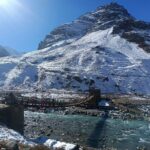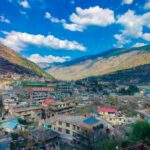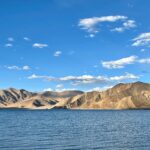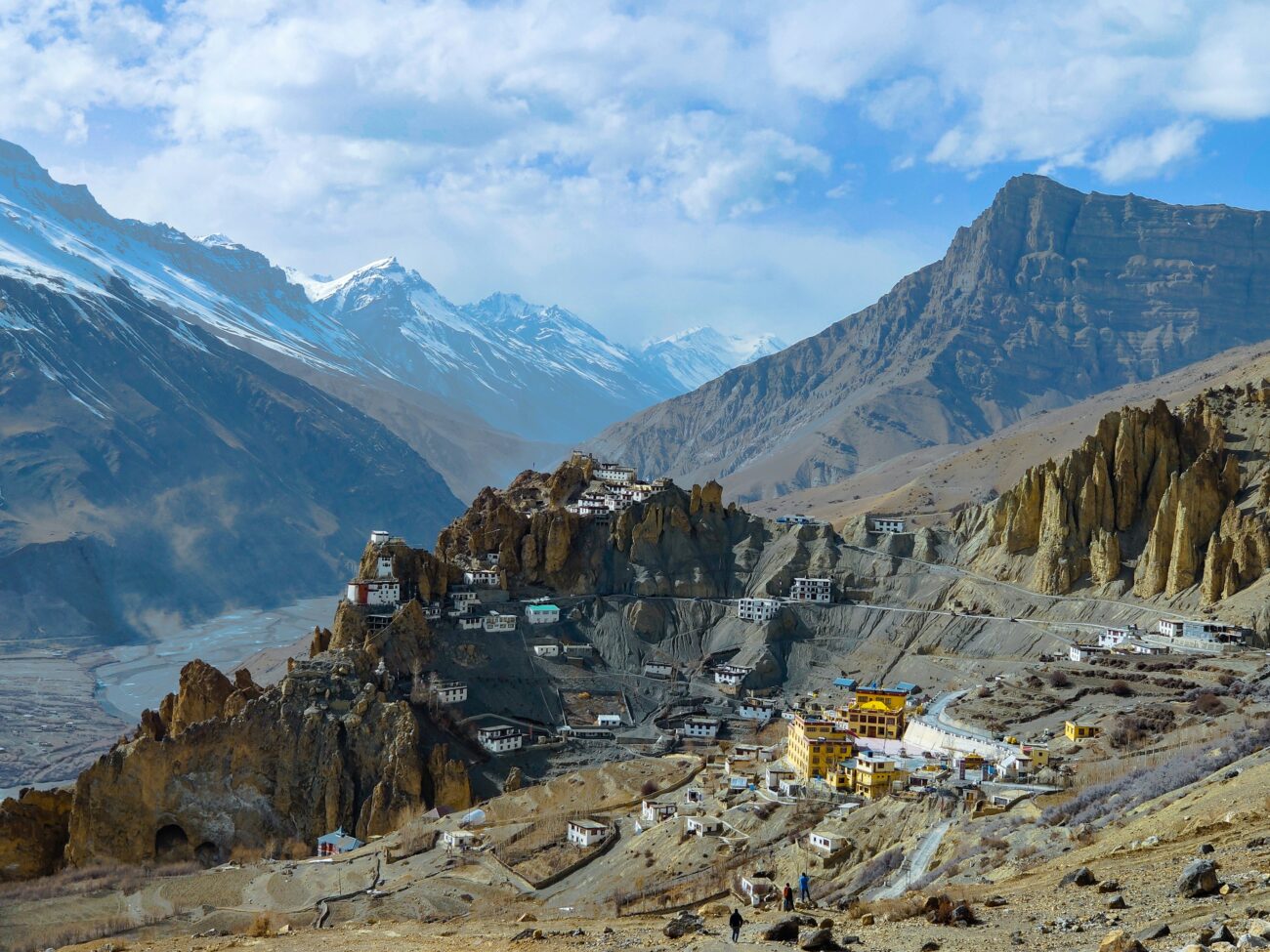
Carved into the stark, high-altitude desert of Himachal Pradesh, Spiti Valley is a mesmerizing frontier where rugged landscapes meet ancient Buddhist heritage. Nestled at an average altitude of 4,000 meters, this remote valley, often called “Little Tibet,” captivates adventurers and spiritual seekers with its dramatic vistas, medieval monasteries, and resilient local culture. Bordered by the Himalayas and accessible via treacherous passes like Kunzum La, Spiti’s barren mountains, turquoise rivers, and starlit skies create a surreal escape from the ordinary. Key attractions like Key Monastery and Chandratal Lake draw travelers seeking solitude and cultural immersion. For visitors to indiatourisminfo.com, Spiti Valley offers an unparalleled adventure, whether you’re trekking through lunar-like terrain, meditating in ancient gompas, or camping under a blanket of stars. This rugged Himalayan gem, steeped in Tibetan Buddhist traditions and raw natural beauty, is a must-visit for those craving an offbeat journey into one of India’s most remote and enchanting destinations.
Key Attractions
Key Monastery: A 1,000-year-old Buddhist monastery perched at 4,166 meters, known for its ancient murals and panoramic views.
Chandratal Lake: A crescent-shaped, high-altitude lake with crystal-clear waters, ideal for camping and photography.
Kunzum Pass: A high-altitude pass (4,590 meters) offering stunning views and a sacred stupa adorned with prayer flags.
Tabo Monastery: A UNESCO-nominated “Ajanta of the Himalayas,” with 9th-century frescoes and Buddhist relics.
Dhankar Monastery: A cliffside gompa at 3,894 meters, blending history with dramatic valley vistas.
Pin Valley National Park: A sanctuary for snow leopards, ibex, and vibrant wildflowers, perfect for trekking.
Langza Village: A high-altitude village with a giant Buddha statue and fossil-rich landscapes.
Things to Do
Trekking: Embark on treks to Chandratal Lake, Pin Valley, or Dhankar Lake for rugged Himalayan adventures.
Visit Key Monastery: Explore this ancient gompa, attend prayer sessions, and learn about Buddhist traditions.
Camp at Chandratal: Spend a night under starry skies at this high-altitude lake, a bucket-list experience.
Photography: Capture Spiti’s lunar landscapes, colorful prayer flags, and monasteries, especially at sunrise.
Explore Tabo Monastery: Discover ancient frescoes and attend cultural workshops at this historic site.
Village Homestays: Stay in villages like Kaza or Langza to experience Spitian hospitality and local cuisine.
Wildlife Spotting: Join guided tours in Pin Valley to spot snow leopards or Himalayan ibex.
Meditation: Participate in meditation sessions at Dhankar or Key Monastery for spiritual serenity.
Local Culture and History
Spiti Valley’s culture is deeply rooted in Tibetan Buddhism, shaped by its isolation and proximity to Tibet. The valley’s name, meaning “Middle Land” between India and Tibet, reflects its historical role as a trade and cultural crossroads. Monasteries like Tabo (founded 996 CE) and Key (11th century) are spiritual anchors, preserving ancient Buddhist texts, thangkas, and rituals. The Spitian people, primarily Buddhist, lead a resilient life in harsh conditions, herding yaks and cultivating barley. Their cuisine, including thukpa, tsampa, and butter tea, reflects Tibetan influences, often served in homestays. Traditional festivals like Losar (February–March) and Gue Chumik feature masked cham dances and communal celebrations. Spiti’s history includes ancient trade routes and fossil-rich villages like Langza, linked to the prehistoric Tethys Sea. The valley’s Changpa nomads and vibrant handicrafts, such as woolen shawls and prayer wheels, add to its cultural richness, offering visitors a glimpse into a timeless Himalayan lifestyle.
Best Time to Visit
Spiti Valley is best visited from May to October, when roads like Kunzum Pass are open, and the weather is manageable (5–20°C). Summer (June–August) is peak season, with clear skies and accessible trekking routes, though it attracts more adventurers. May and September–October offer milder weather, fewer crowds, and vibrant landscapes, ideal for photography and exploration. Winter (November–April) brings extreme cold (-20°C to 0°C) and heavy snow, closing major passes like Kunzum and Rohtang, making access nearly impossible except via special tours. Early mornings provide crisp light for photography, while evenings are perfect for stargazing in Spiti’s clear skies. Plan around festivals like Losar for cultural immersion, but book homestays or tours early during peak seasons to secure accommodations, as facilities are limited in this remote region.
How to Reach
By Air: The nearest airport is Bhuntar Airport (Kullu, 245 km away, ~8–10-hour drive to Kaza, Spiti’s main town). Flights connect from Delhi and Chandigarh. Taxis from Bhuntar cost ~₹8000–12,000. Alternatively, fly to Chandigarh (500 km, ~14–16 hours).
By Train: The nearest railway station is Joginder Nagar (350 km, ~10–12 hours) or Chandigarh (500 km, ~14–16 hours). Taxis or HRTC buses from these stations cost ~₹8000–12,000 to Kaza.
By Road: Spiti is accessible via two routes: Manali Route (200 km to Kaza, 8–10 hours via Rohtang and Kunzum Passes, open May–October) or Shimla Route (420 km to Kaza, 12–14 hours via Kinnaur, open year-round). HRTC buses, private taxis (~₹10,000–15,000 from Manali), or shared cabs (~₹1000–2000/person) are available. Motorbike trips are popular for adventure enthusiasts.
Local Transport: In Spiti, hire taxis (~₹500–1000) or motorbikes (~₹1000–2000/day) in Kaza to explore monasteries and villages.
Travel Tips
Acclimatization: Spend 1–2 days in Manali or Shimla to adjust to high altitudes (3,800–4,500 meters) to avoid acute mountain sickness (AMS).
Cost: Monastery entry ~₹20–50; camping at Chandratal ~₹1000–2000/night; taxi tours ~₹5000–10,000/day (as of 2023; verify current rates).
Dress: Pack heavy woolens, windproof jackets, gloves, sunglasses, and sunscreen for cold, sunny, and windy conditions.
Safety: Carry oxygen cans or Diamox for altitude sickness; avoid strenuous activity without acclimatization; use licensed guides for treks.
Permits: Foreigners need an Inner Line Permit for Spiti (obtainable online or in Shimla/Kaza); Indians may need one for restricted areas like Gue.
Connectivity: Mobile networks are unreliable; satellite phones or limited Wi-Fi are available in Kaza; carry cash for local vendors.
Environment: Avoid littering to preserve Spiti’s pristine ecosystem; use designated bins.
Respect Local Culture: Dress modestly at monasteries; seek permission before photographing monks or rituals.
Nearby Attractions
Manali (200 km): A vibrant hill station with Rohtang Pass, Hadimba Temple, and adventure sports.
Kullu (245 km): A scenic valley with Raghunath Temple and the Great Himalayan National Park.
Kinnaur (200 km from Kaza): A picturesque region with Kalpa village and Sangla Valley.
Lahaul Valley (via Kunzum Pass): Home to scenic villages like Jispa and Sarchu, ideal for road trips.
Chitkul (250 km): India’s last village near the Indo-Tibet border, known for its scenic beauty.
Explore More
Discover other Himachal treasures like the vibrant Kullu or the serene Dharamshala on our Himachal Pradesh destinations page. Plan your Himalayan adventure with indiatourisminfo.com today!