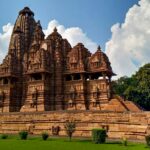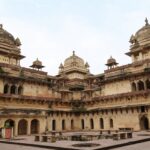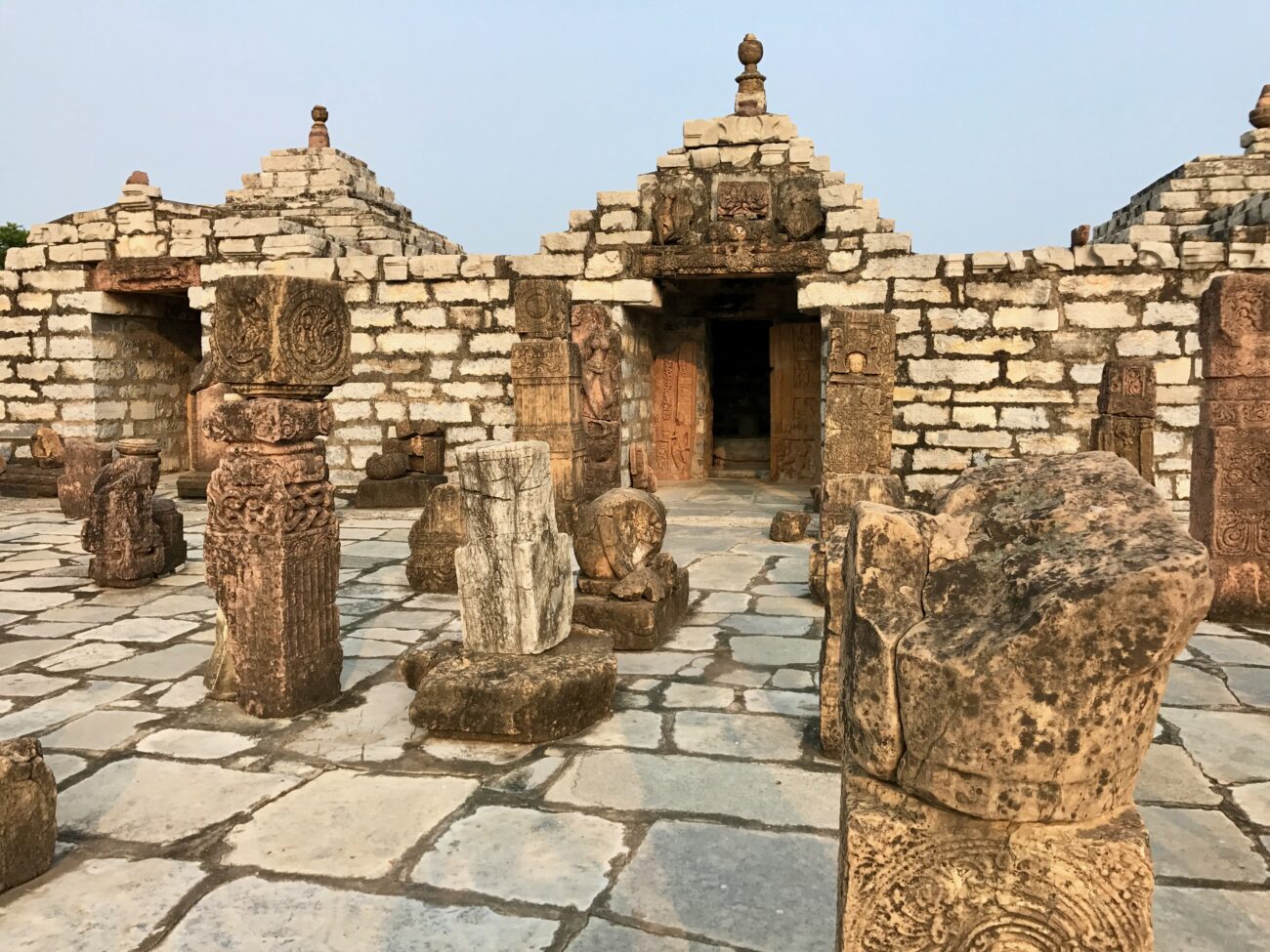
Nestled along the tranquil banks of the Mahanadi River like a whisper from India’s ancient past, Sirpur emerges as a hidden archaeological treasure in Chhattisgarh’s Mahasamund district, captivating visitors with its 5th–8th-century temples and Buddhist monasteries. Once the capital of South Kosal, this quaint town, located 84 km from Raipur, is renowned for its well-preserved ruins, blending Hindu, Buddhist, and Jain heritage. A cultural gem akin to the tribal vibrancy of Bastar, Sirpur offers a serene escape into history’s embrace. For visitors to indiatourisminfo.com, Sirpur promises an immersive journey, whether you’re exploring the iconic Laxman Temple, attending the Sirpur Mahotsav, or uncovering Buddhist relics. This ancient city, recently highlighted by ASI and UNWTO aspirations, is an unmissable destination for history buffs, spiritual seekers, and travelers seeking Chhattisgarh’s timeless legacy.
Key Attractions
Laxman Temple: A 7th-century brick temple dedicated to Lord Vishnu, renowned for its intricate carvings and ASI-maintained museum.
Teevardev Buddha Vihara: An 8th-century Buddhist monastery with a monolithic Avalokitesvara Buddha statue, blending Hindu and Buddhist iconography.
Surang Tila Temple: A 7th-century Shiva temple with a unique 30-step ascent, altered by an ancient earthquake, offering Mahanadi views.
Gandheshwar Temple: A riverside Shiva temple with ancient ruins, revered for its spiritual and historical significance.
Baleshwar Mahadev Temple: A 7th-century Panchayatana-style temple complex dedicated to Lord Shiva, recently excavated.
Sirpur Archaeological Museum: A small museum near Laxman Temple housing Shaiva, Vaishnava, Buddhist, and Jain artifacts.
Mahanadi Riverfront: A serene riverside ideal for strolls and witnessing the grand Mahanadi Aarti during festivals.
Things to Do
Explore Laxman Temple: Admire the 7th-century brick architecture and visit the on-site museum for ancient relics.
Visit Teevardev Buddha Vihara: Marvel at the Buddhist monastery’s frescoes and Panchatantra carvings.
Tour Surang Tila Temple: Climb the unique steps to experience its Mayan-like architecture and Mahanadi vistas.
Attend Sirpur Mahotsav: Enjoy laser shows, Mahanadi Aarti, and performances by artists like Abhijeet Sawant (February 24–26, 2025).
Stroll Mahanadi Riverfront: Walk along the river or picnic amidst serene surroundings, especially during sunset.
Shop for Handicrafts: Purchase local sarees and terracotta at Jyoti Vastralaya or village haat bazaars.
Explore Archaeological Ruins: Discover ancient marketplaces and ruins near Gandheshwar Temple with a guide.
Savor Local Cuisine: Relish pakhala bhaat, chana samosa, or jalebi at Shan E Punjab Dhaba or Madhulika Family Restaurant.
Local Culture and History
Sirpur, once known as Shripur, was the capital of South Kosal under the Somavanshi dynasty (5th–8th centuries), flourishing as a hub of Buddhist, Hindu, and Jain cultures. Visited by Chinese traveler Hiuen Tsang and blessed by the Dalai Lama in 2013, Sirpur’s archaeological significance is evident in its temples and monasteries, some predating Nalanda’s viharas. The Laxman Temple, built by Queen Vasata, showcases intricate Vishnu carvings, while Teevardev Vihara blends Buddhist and Hindu iconography, reflecting the era’s religious harmony. Bastar’s tribal influence is seen in Sirpur’s festivals, with folk dances like Panthi and crafts like dhokra. The Sirpur Mahotsav celebrates this heritage with music, laser shows, and the Mahanadi Aarti, akin to Orchha’s cultural vibrancy. Sirpur’s serene ambiance and historical depth offer a profound experience.
Best Time to Visit
Sirpur is best visited from October to March (winter, 8–28°C), ideal for exploring temples, ruins, and attending the Sirpur Mahotsav (February 24–26, 2025), with pleasant weather and cultural events. July to September (monsoon, 20–29°C) enhances the Mahanadi River’s beauty but may make ruins slippery; carry umbrellas and sturdy shoes. April to June (summer, 32–43°C) suits early morning (7–10 AM) or evening visits (post-4 PM) to avoid heat; shaded temple complexes provide relief. Mornings offer serene exploration, while evenings suit the Mahanadi Aarti or laser shows during festivals. Book accommodations early for festival or peak seasons (October–March) to secure spots at Hiuen Tsiang Tourist Resort or Johar Resort.
How to Reach
By Air: The nearest airport is Swami Vivekananda Airport (Raipur, 84 km, ~1.5-hour drive), with flights from Mumbai, Delhi, and Kolkata. Taxis cost ~₹1500–2500.
By Train: Mahasamund Railway Station (35 km, ~45-minute drive) connects to Raipur and Visakhapatnam. Taxis or auto-rickshaws cost ~₹500–1000. Raipur Railway Station (84 km) is another option.
By Road: Sirpur is accessible via NH53 from Raipur (84 km, 1.5 hours) or Mahasamund (35 km, 45 minutes). CGSTC buses, private taxis (~₹1500–2500 from Raipur), or shared jeeps (~₹50–150) are available. Self-driven cars have parking near Laxman Temple.
Local Transport: From Sirpur, hire taxis (~₹500–1000), auto-rickshaws (~₹200–400), or cycles (~₹50–100/day); local buses (~₹10–30) connect to major sites.
Travel Tips
Booking: Entry to Laxman Temple is ~₹5 for Indians, ₹100 for foreigners; book Sirpur Mahotsav tickets in advance; reserve accommodations at Hiuen Tsiang Tourist Resort early for festivals.
Cost: Food at dhabas ~₹50–150; taxi from Raipur ~₹1500–2500; museum entry ~₹10–50 (as of 2023; verify 2025 rates).
Dress: Wear comfortable clothing and sturdy shoes for ruins; carry hats or umbrellas for sun or rain; modest attire for temples.
Safety: Secure valuables at archaeological sites; follow guide instructions; avoid touching carvings; check weather for monsoon visits.
Respect Local Culture: Seek permission for photography during rituals; support artisans at local haats; maintain silence in sacred areas.
Connectivity: Mobile networks are reliable in Sirpur; Wi-Fi is limited to resorts; carry cash for small vendors.
Environment: Avoid littering to preserve heritage sites; use designated bins; support eco-friendly accommodations.
Accessibility: Temples like Laxman and Surang Tila have steps; ruins may be uneven; inform ASI staff for mobility assistance.
Nearby Attractions
Barnawapara Wildlife Sanctuary (40 km): A 245-sq-km sanctuary with diverse wildlife and birdwatching opportunities.
Chitrakoot Falls (120 km): India’s widest waterfall, ideal for scenic views and boating.
Danteshwari Temple (200 km): A 14th-century Shakti Peeth in Dantewada, revered by locals.
Kanger Valley National Park (150 km): A biosphere reserve with caves and wildlife near Jagdalpur.
Rajim (50 km): Home to the Rajivlochan Temple, a 7th-century Vishnu shrine.
Explore More
Discover other Chhattisgarh treasures like the majestic Chitrakoot Falls or vibrant Bastar on our Chhattisgarh destinations page. Plan your historical and cultural journey with indiatourisminfo.com today!