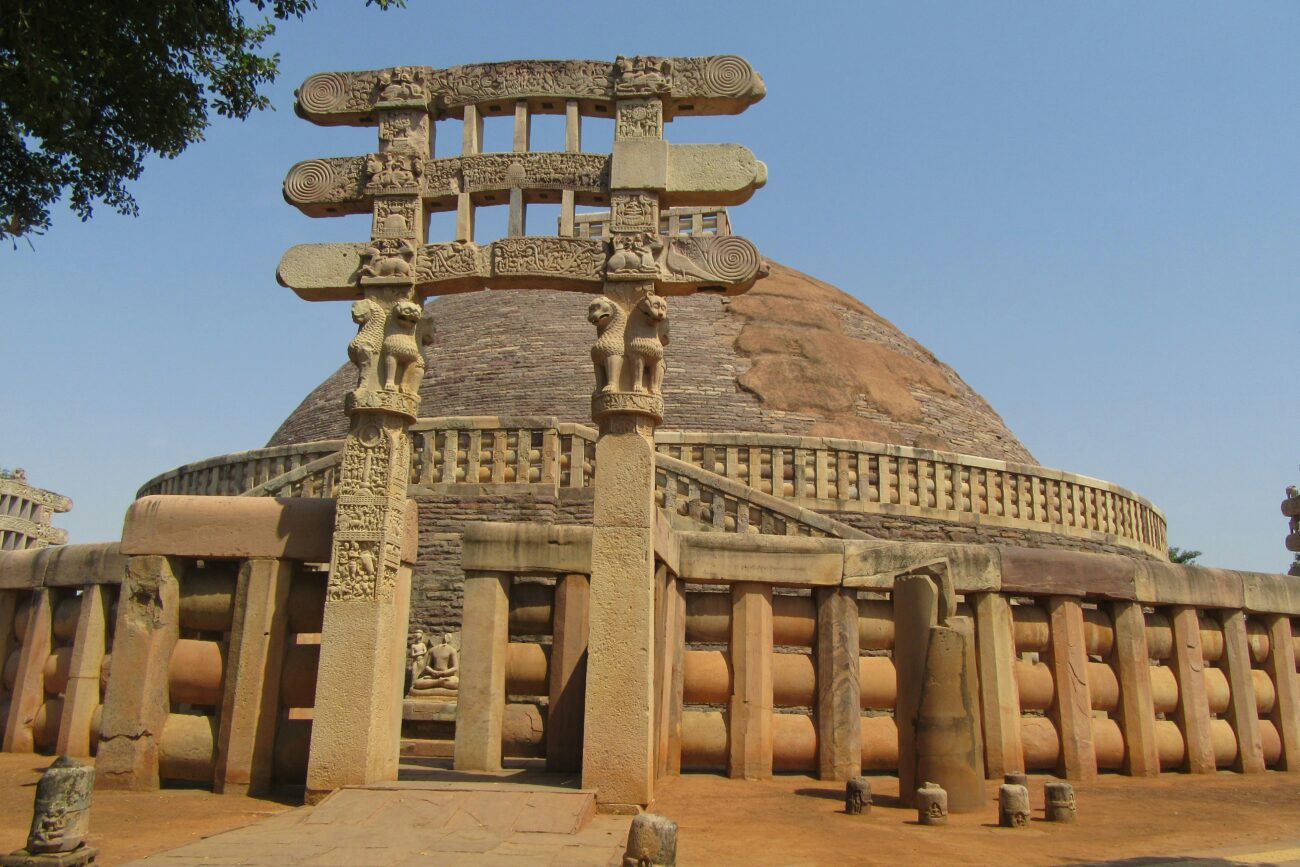
Standing as a timeless sentinel of spiritual wisdom in the rolling hills of Madhya Pradesh, Sanchi Stupa emerges as a UNESCO World Heritage Site, revered for its 3rd-century BCE Buddhist architecture and intricate carvings. Located at an altitude of 500 meters in the Raisen district, this ancient complex, commissioned by Emperor Ashoka, is one of India’s oldest stone structures, symbolizing Buddhist philosophy. A spiritual haven akin to the wildlife splendor of Bandhavgarh National Park, Sanchi captivates with its serene ambiance and historical depth. For visitors to indiatourisminfo.com, Sanchi Stupa offers an immersive journey, whether you’re exploring its iconic gateways, meditating in its tranquil grounds, or delving into Buddhist heritage. This sacred site, blending Madhya Pradesh’s cultural vibrancy with ancient history, is an unmissable destination for spiritual seekers, history enthusiasts, and travelers seeking India’s profound legacy.
Key Attractions
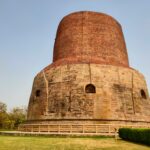
Great Stupa (Stupa No. 1): The main 3rd-century BCE stupa, adorned with four intricately carved toranas (gateways).
Stupa No. 2 and No. 3: Smaller stupas with early Buddhist relics and simpler carvings, dating back to the 2nd century BCE.
Ashoka Pillar: A polished sandstone pillar from the 3rd century BCE, featuring the Lion Capital, India’s national emblem.
Sanchi Archaeological Museum: A repository of Buddhist artifacts, sculptures, and relics from the Sanchi complex.
Eastern Gateway: A torana with detailed carvings depicting Buddha’s life and Jataka tales.
Monastery Ruins: Ancient monastic structures showcasing Buddhist monastic life.
Chetiyagiri Vihara: A modern Buddhist temple housing relics of Buddha’s disciples, Sariputra and Maudgalyayana.
Things to Do
Explore Great Stupa: Admire the intricate toranas and circumambulate the dome for spiritual reflection.
Visit Stupa No. 2 and No. 3: Discover early Buddhist relics and simpler architectural styles.
Tour Sanchi Archaeological Museum: View artifacts like sculptures and Ashokan inscriptions.
Photograph Eastern Gateway: Capture the detailed carvings of Buddha’s life at sunrise or sunset.
Meditate at Chetiyagiri Vihara: Join Buddhist chants or reflect in the serene temple.
Attend Buddha Purnima: Participate in vibrant celebrations with prayers and processions (April–May 2025, dates TBD).
Explore Monastery Ruins: Walk through ancient monastic remains to understand Buddhist life.
Savor Local Cuisine: Relish poha, bhutte ka kees, or malpua at local eateries in Sanchi or Bhopal.
Local Culture and History
Sanchi Stupa, built in the 3rd century BCE by Emperor Ashoka, is a cornerstone of Buddhist architecture, expanded under the Shunga and Satavahana dynasties. Its toranas, added in the 1st century BCE, depict Buddha’s life, Jataka tales, and symbolic motifs, reflecting early Buddhist art. Rediscovered in 1818 by British officer Henry Taylor, Sanchi became a UNESCO site in 1989 for its global cultural significance. The local Bundelkhandi culture thrives with folk arts like Machhli dance, Gond paintings, and cuisine such as dal bafla and jalebi, echoing Surajkund’s artisanal vibe. Festivals like Buddha Purnima and Diwali bring vibrant celebrations with temple rituals and local sweets, akin to Khajuraho’s cultural allure. Sanchi’s spiritual legacy and Madhya Pradesh’s vibrant traditions offer a profound experience.
Best Time to Visit
Sanchi Stupa is a year-round destination, with October to March (autumn and winter, 10–28°C) ideal for exploring the stupas, museum, and ruins, thanks to pleasant weather. Buddha Purnima (April–May 2025, dates TBD) draws pilgrims for spiritual events. April to June (summer, 25–42°C) suits early morning (7–10 AM) or evening visits (post-4 PM) to avoid heat; shaded areas like the museum provide relief. The monsoon (July–September) brings lush greenery but slippery paths; carry umbrellas and sturdy shoes. Mornings offer serene visits, while evenings suit photography with soft light. Book accommodations early for festival or peak seasons (October–March) to secure spots in Sanchi or Bhopal.
How to Reach
By Air: The nearest airport is Raja Bhoj Airport (Bhopal, 55 km away, ~1.5-hour drive), with flights from Delhi, Mumbai, and Indore. Taxis from the airport cost ~₹1000–2000.
By Train: The nearest railway station is Sanchi Railway Station (2 km, ~10-minute drive), with trains from Bhopal, Indore, and Delhi. Taxis or auto-rickshaws from the station cost ~₹50–150. Bhopal Junction (50 km, ~1-hour drive) offers broader connectivity.
By Road: Sanchi is accessible via NH46 from Bhopal (50 km, 1 hour) or Gwalior (400 km, 8 hours). MPRTC buses, private taxis (~₹1000–2000 from Bhopal), or shared cabs (~₹100–300) reach Sanchi. Self-driven cars have parking near the stupa complex.
Local Transport: From Sanchi town, hire taxis (~₹100–300), auto-rickshaws (~₹50–150), or cycles (~₹50–100/day); local buses (~₹10–30) connect to the stupa.
Travel Tips
Booking: Purchase stupa entry tickets at the counter; book accommodations in Bhopal or Sanchi early for festivals like Buddha Purnima.
Cost: Sanchi Stupa entry ~₹40 for Indians, ₹600 for foreigners; museum entry ~₹5–50 (as of 2023; verify 2025 rates).
Dress: Wear comfortable clothing and sturdy shoes for walking; carry hats or umbrellas for sun or rain; modest attire for religious sites.
Safety: Secure valuables in crowded areas; follow monument guidelines; avoid touching carvings; be cautious on uneven paths.
Respect Local Culture: Maintain silence in stupa premises; seek permission for photography during rituals; respect Buddhist traditions.
Connectivity: Mobile networks are reliable in Sanchi; Wi-Fi is available at hotels in Bhopal; carry cash for small vendors and autos.
Environment: Avoid littering to preserve heritage sites; use designated bins; support eco-friendly vendors.
Accessibility: Main stupa areas are accessible; some ruins have steps; inform staff for mobility assistance.
Nearby Attractions
Udayagiri Caves (10 km): 5th-century rock-cut caves with Hindu and Jain sculptures.
Bhimbetka Rock Shelters (90 km): A UNESCO site with prehistoric cave paintings.
Bhojpur Temple (75 km): An 11th-century Shiva temple with a massive lingam.
Bhopal (50 km): The capital city with Upper Lake and Bharat Bhavan cultural center.
Panna National Park (400 km): A tiger reserve with safaris and waterfalls.
Explore More
Discover other Madhya Pradesh treasures like the historic Khajuraho or wild Bandhavgarh National Park on our Madhya Pradesh destinations page. Plan your spiritual and cultural journey with indiatourisminfo.com today!