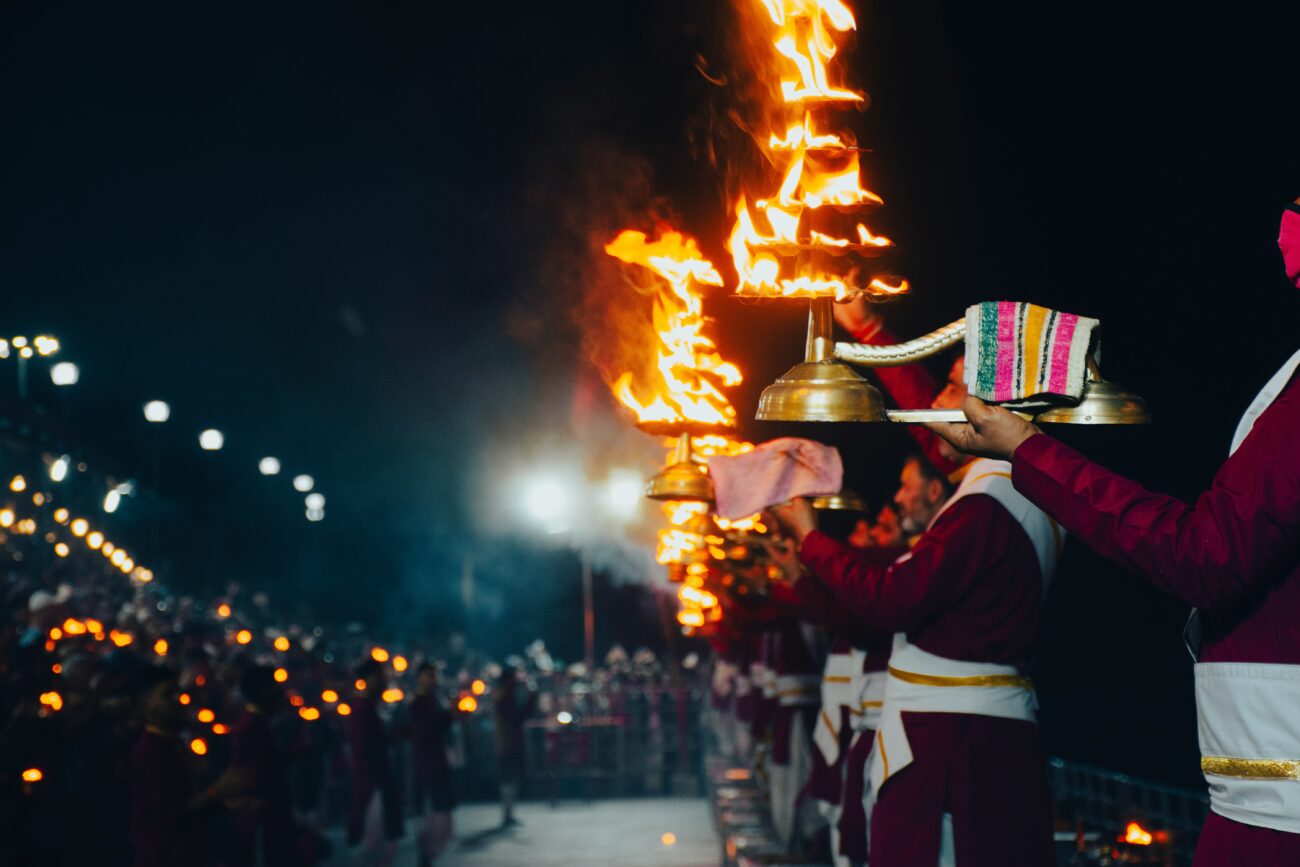
Flowing gently through the foothills of the Himalayas in Uttarakhand, Rishikesh emerges as a sacred haven where spirituality and adventure intertwine along the banks of the holy Ganga River. Nestled at 356 meters, this vibrant town, dubbed the “Yoga Capital of the World,” draws pilgrims, yogis, and thrill-seekers with its ancient ashrams, serene ghats, and adrenaline-pumping activities. From the iconic Laxman Jhula to the mesmerizing Ganga Aarti at Triveni Ghat, Rishikesh offers a soulful blend of meditation, rafting, and Himalayan beauty. Its spiritual legacy, tied to ancient sages and the Beatles’ visit to Maharishi Mahesh Yogi’s ashram, adds global allure. For visitors to indiatourisminfo.com, Rishikesh promises a transformative journey, whether you’re practicing yoga, rafting on the Ganga, or soaking in the divine ambiance. This Himalayan retreat, with its mix of serenity and excitement, is an unmissable destination in North India, inviting travelers to discover its spiritual and adventurous spirit.
Key Attractions
Laxman Jhula: A historic suspension bridge over the Ganga, linked to Lord Laxman, offering scenic river views.
Ram Jhula: Another iconic bridge connecting ashrams, bustling with pilgrims and vibrant markets.
Triveni Ghat: A sacred ghat famous for its evening Ganga Aarti, a mesmerizing spiritual ceremony.
Beatles Ashram: The abandoned Maharishi Mahesh Yogi’s ashram, adorned with graffiti and meditation domes.
Neelkanth Mahadev Temple: A hilltop Shiva temple amidst forests, revered for its mythological significance.
Parmarth Niketan: A prominent ashram offering yoga, meditation, and spiritual discourses by the Ganga.
Shivpuri: A riverside spot 16 km upstream, known for rafting and camping.
Things to Do
Yoga and Meditation: Join yoga retreats or classes at ashrams like Parmarth Niketan or Sivananda Ashram.
River Rafting: Experience thrilling white-water rafting on the Ganga, with stretches from Shivpuri to Rishikesh.
Attend Ganga Aarti: Witness the enchanting evening Aarti at Triveni Ghat, a soul-stirring ritual.
Visit Beatles Ashram: Explore the historic ashram with its art-filled ruins and serene ambiance.
Trekking: Hike to Neelkanth Mahadev Temple or Kunjapuri Temple for Himalayan views and spiritual vibes.
Photography: Capture Laxman Jhula, Ganga sunsets, and vibrant ashram life, especially during festivals.
Bungee Jumping: Try India’s highest bungee jump (83 meters) at Jumpin Heights in Mohan Chatti.
Explore Markets: Shop for Rudraksha beads, yoga mats, and local handicrafts near Ram Jhula.
Local Culture and History
Rishikesh’s spiritual heritage is rooted in its ancient Vedic traditions, revered as a gateway to the Char Dham pilgrimage (Badrinath, Kedarnath, Gangotri, Yamunotri). Mythologically linked to Lord Rama and Laxman, the town’s ghats and temples reflect its divine significance. The 1968 visit by the Beatles to Maharishi Mahesh Yogi’s ashram brought global fame, cementing Rishikesh’s status as a yoga and meditation hub. The local culture blends Garhwali traditions with spiritual practices, with ashrams hosting discourses and festivals like International Yoga Festival (March). Locals, known for their warmth, offer cuisine like aloo puri, kheer, and sattvic vegetarian dishes at ashrams and dhabas. Handicrafts, including prayer beads and shawls, thrive in markets. The Ganga, considered a living goddess, shapes daily life, with rituals and Aartis fostering a deep spiritual connection. Festivals like Diwali and Shivratri illuminate Rishikesh with lamps and chants, offering visitors a vibrant cultural experience.
Best Time to Visit
Rishikesh is a year-round destination, with each season offering unique experiences. September to November (autumn, 15–25°C) and February to April (spring, 15–30°C) are ideal for yoga, rafting, and sightseeing, with clear skies and pleasant weather. Summer (May–June, 25–35°C) is suitable for rafting and ashram stays, though it’s warmer; evening Aartis provide relief. Winter (December–January, 5–15°C) offers cool weather for trekking and spiritual retreats, with fewer crowds but chilly nights. The monsoon (July–August) brings heavy rain, making rafting risky and trails slippery, so check weather updates. Early mornings are perfect for yoga and photography, while evenings are ideal for Ganga Aarti. Plan around the International Yoga Festival (March) for cultural immersion, but book ashrams or rafting tours early during peak seasons.
How to Reach
By Air: The nearest airport is Jolly Grant Airport (Dehradun, 20 km away, ~30-minute drive), with flights from Delhi, Mumbai, and Bengaluru. Taxis from Dehradun cost ~₹800–1500.
By Train: The nearest railway station is Rishikesh (5 km, ~15-minute drive), with limited trains. Haridwar (25 km, ~45-minute drive) is a major rail hub with better connectivity. Taxis or buses from Haridwar cost ~₹500–1000.
By Road: Rishikesh is accessible via NH7 from Delhi (230 km, 5–6 hours) or Dehradun (45 km, 1–1.5 hours). HRTC buses, private taxis (~₹3000–5000 from Delhi), or shared cabs (~₹500–800 from Haridwar) are available. Self-driven cars or motorbikes are popular.
Local Transport: In Rishikesh, walk along ghats or hire auto-rickshaws (~₹50–200) or taxis (~₹200–500) for local sights; shared tempos connect Laxman Jhula to Triveni Ghat.
Travel Tips
Booking: Reserve ashram stays, rafting trips, or yoga retreats in advance during peak seasons (September–November, February–April).
Cost: Rafting ~₹800–2000; bungee jumping ~₹3500; ashram stays ~₹500–2000/night (as of 2023; verify current rates). Most ghats and temples are free.
Dress: Pack light layers for summer, warm layers for winter; comfortable shoes for trekking; modest clothing for ashrams and temples.
Safety: Use licensed operators for rafting and bungee jumping; avoid swimming in the Ganga due to strong currents.
Connectivity: Mobile networks are reliable; Wi-Fi is available at cafes and ashrams; carry cash for small vendors.
Environment: Avoid littering to preserve the Ganga’s sanctity; use designated bins.
Respect Local Culture: Dress modestly at ghats and ashrams; seek permission before photographing rituals or sadhus.
Health: Stay hydrated during rafting or trekking; carry sunscreen for daytime activities.
Nearby Attractions
Haridwar (25 km): A holy city with Har Ki Pauri Ghat and evening Ganga Aarti, a spiritual hub.
Dehradun (45 km): Uttarakhand’s capital with Robber’s Cave, Sahastradhara, and Forest Research Institute.
Rajaji National Park (20 km): A wildlife sanctuary for elephant safaris and birdwatching.
Neer Garh Waterfall (10 km): A scenic waterfall ideal for short treks and picnics.
Kunjapuri Temple (25 km): A hilltop temple with sunrise views of the Himalayas, perfect for trekkers.
Explore More
Discover other Uttarakhand treasures like the serene Mussoorie or the adventurous Auli on our Uttarakhand destinations page. Plan your Himalayan adventure with indiatourisminfo.com today!