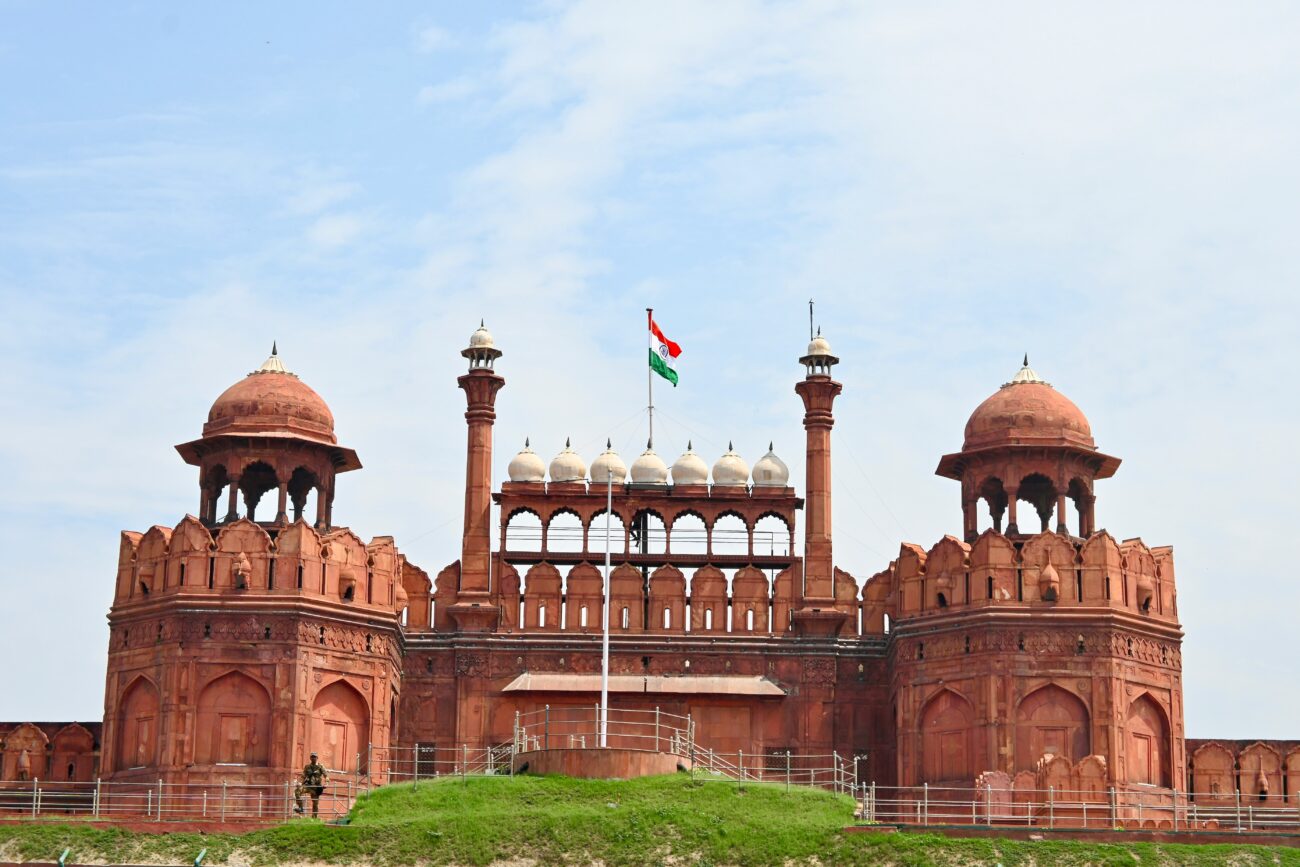
Standing proudly as a testament to India’s storied past, the Red Fort in Delhi looms as a magnificent emblem of Mughal opulence and historical significance. Built in 1648 by Emperor Shah Jahan, this UNESCO World Heritage Site, known as Lal Qila, spans 254 acres in the heart of Old Delhi at an altitude of 110 meters. Its towering red sandstone walls, ornate palaces, and sprawling courtyards narrate tales of Mughal emperors, British rule, and India’s independence. A cultural hub akin to Surajkund’s vibrancy, the fort hosts events like the Independence Day celebrations, drawing history buffs and travelers alike. For visitors to indiatourisminfo.com, the Red Fort offers an immersive journey through time, whether you’re marveling at Diwan-i-Aam, exploring museums, or enjoying its light-and-sound show. This iconic fortress, blending architectural splendor with national pride, is an unmissable destination in North India for those seeking to uncover Delhi’s rich heritage.
Key Attractions
Lahori Gate: The grand main entrance, adorned with intricate carvings, leading to the fort’s inner marvels.
Diwan-i-Aam: The Hall of Public Audience, where emperors addressed commoners, showcasing Mughal artistry.
Diwan-i-Khas: The Hall of Private Audience, famed for its marble beauty and the legendary Peacock Throne.
Moti Masjid: A delicate pearl-white mosque built by Aurangzeb, a serene architectural gem.
Rang Mahal: The “Palace of Colors,” once home to royal women, with vibrant frescoes and mirrored ceilings.
Red Fort Archaeological Museum: A museum housing Mughal artifacts, paintings, and royal relics.
Chhatta Chowk: A covered bazaar within the fort, offering handicrafts and souvenirs reminiscent of Mughal markets.
Things to Do
Explore Diwan-i-Aam and Diwan-i-Khas: Admire the intricate Mughal architecture and imagine royal gatherings.
Visit Red Fort Archaeological Museum: Discover Mughal weapons, manuscripts, and costumes for historical insights.
Shop at Chhatta Chowk: Browse handicrafts, jewelry, and textiles in the historic covered bazaar.
Attend Light-and-Sound Show: Experience the fort’s history through an evening multimedia show (check schedules).
Photography: Capture Lahori Gate, Moti Masjid, and ornate palaces, especially during golden hour.
Pray at Moti Masjid: Soak in the serene ambiance of this historic mosque, open to respectful visitors.
Attend Independence Day Events: Visit on August 15 for flag-hoisting (requires special permissions) or related cultural programs.
Walk the Fort Grounds: Stroll through courtyards and gardens, tracing the footsteps of Mughal emperors.
Local Culture and History
The Red Fort, commissioned by Shah Jahan in 1638 and completed in 1648, was the Mughal Empire’s political and ceremonial heart until 1857. Named for its red sandstone, it housed emperors, hosted lavish courts, and witnessed the 1857 Revolt, after which the British exiled Bahadur Shah Zafar. On August 15, 1947, Jawaharlal Nehru hoisted India’s flag here, cementing its national significance. Old Delhi’s vibrant culture thrives around the fort, with Chandni Chowk’s bustling markets offering parathas, jalebi, and nihari. Locals showcase Delhi’s blend of Mughal, Punjabi, and modern influences through qawwali performances and festivals like Diwali. Nearby artisans sell silver jewelry, embroidered fabrics, and spices, echoing Surajkund’s craft heritage. The fort’s annual Independence Day celebrations and cultural events draw crowds, offering visitors a deep dive into Delhi’s rich tapestry of history, cuisine, and traditions.
Best Time to Visit
The Red Fort is best visited from October to March (autumn and winter, 5–25°C), when cool weather is ideal for exploring its vast grounds and nearby Chandni Chowk. August is vibrant with Independence Day events, though crowds peak and access may be restricted. April to June (spring and summer, 20–45°C) is suitable for early morning visits (9 AM) to avoid heat; the fort’s shaded areas provide relief. The monsoon (July–September) brings rain, making courtyards slippery; carry umbrellas. Early mornings offer fewer crowds and soft light for photography, while evenings (post-4 PM) are perfect for the light-and-sound show (timings vary, typically 7–9 PM). The fort is closed on Mondays. Book tickets online for peak seasons (October–March) or events to avoid long queues.
How to Reach
By Air: The nearest airport is Indira Gandhi International Airport (Delhi, 20 km away, ~40-minute drive), with flights from Mumbai, Bengaluru, and international hubs. Taxis from the airport cost ~₹600–1200.
By Train: The nearest railway station is Old Delhi Railway Station (2 km, ~10-minute drive), with trains from Mumbai, Kolkata, and Amritsar. Auto-rickshaws or taxis from the station cost ~₹50–200. New Delhi Railway Station (5 km, ~15 minutes) is another option.
By Road: Red Fort is accessible via NH44 from Gurugram (30 km, 1 hour) or Noida (25 km, 45 minutes). DTC buses, private taxis (~₹500–1000 from Gurugram), or shared cabs (~₹100–200 from Delhi areas) are available. Self-driven cars face parking challenges; use nearby lots.
Local Transport: The nearest metro is Chandni Chowk (Yellow Line, 1 km, ~5-minute walk). Auto-rickshaws (~₹50–100) or cycle rickshaws (~₹20–50) connect the metro or Old Delhi to the fort.
Travel Tips
Booking: Purchase Red Fort tickets online via ASI or third-party platforms to skip queues; book light-and-sound show tickets in advance (verify 2025 schedules).
Cost: Entry ~₹50 for Indians, ₹600 for foreigners; light-and-sound show ~₹60–100; camera fees may apply (as of 2023; verify current rates).
Dress: Wear comfortable clothing and shoes for walking; modest attire for Moti Masjid; carry hats or umbrellas for sun or rain.
Safety: Secure valuables in crowded areas like Chhatta Chowk; follow ASI guidelines; avoid stray paths within the fort.
Respect Local Culture: Seek permission before photographing prayers at Moti Masjid; bargain respectfully at Chhatta Chowk; avoid loud behavior in historical areas.
Connectivity: Mobile networks are reliable; Wi-Fi is unavailable at the fort; carry cash for small vendors and rickshaws.
Environment: Avoid littering to preserve the UNESCO site; use designated bins.
Accessibility: The fort has ramps for Lahori Gate and museums; some areas have steps; inform staff for assistance.
Nearby Attractions
Chandni Chowk (1 km): A bustling Mughal-era market with street food, spices, and jewelry.
Jama Masjid (2 km): India’s largest mosque, a Mughal masterpiece with stunning minarets.
Qutub Minar (15 km): A UNESCO-listed 12th-century minaret with intricate carvings.
Surajkund (20 km): A cultural hub in Haryana, famous for its crafts mela and ancient reservoir.
India Gate (7 km): A war memorial with sprawling lawns, ideal for evening strolls.
Explore More
Discover other Delhi treasures like the vibrant Chandni Chowk or historic Qutub Minar on our Delhi destinations page. Plan your cultural and historical journey with indiatourisminfo.com today!