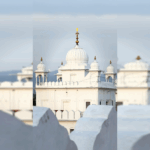
Brimming with regal splendor in the heart of Punjab, Patiala emerges as a captivating blend of royal heritage, vibrant culture, and architectural grandeur. Situated at 250 meters, this historic city, founded by the Patiala dynasty in 1763, is renowned for its majestic Qila Mubarak, colorful markets, and the iconic Patiala turban. As a cultural hub, it echoes Punjab’s lively spirit, much like Amritsar and Anandpur Sahib, with its rich traditions of Phulkari embroidery, bhangra, and sumptuous cuisine. From the serene Baradari Gardens to the spiritual Sheesh Mahal, Patiala offers a journey through history and festivity. For visitors to indiatourisminfo.com, Patiala promises an enchanting experience, whether you’re exploring palaces, savoring local delicacies, or immersing in Punjab’s festive charm. This royal city, steeped in tradition and hospitality, is an unmissable destination in North India for those seeking a blend of heritage, culture, and vibrant local life.
Key Attractions
Qila Mubarak: A 13th-century fort, the heart of Patiala’s royal legacy, with intricate frescoes and a museum.
Sheesh Mahal: A stunning palace within Qila Mubarak, adorned with mirror work and royal artifacts.
Baradari Gardens: A serene Mughal-style garden with fountains, ideal for relaxation and picnics.
Moti Bagh Palace: A grand palace, now housing the National Institute of Sports, showcasing Indo-Saracenic architecture.
Gurudwara Dukh Nivaran Sahib: A sacred Sikh shrine known for its healing waters and serene ambiance.
Omaxe Mall: A modern shopping hub blending Patiala’s traditional charm with contemporary retail.
Kali Temple: A historic temple dedicated to Goddess Kali, revered by locals and the Patiala royal family.
Things to Do
Explore Qila Mubarak: Tour the fort’s Durbar Hall, museum, and Sheesh Mahal for a glimpse of royal history.
Visit Gurudwara Dukh Nivaran Sahib: Offer prayers and experience the langar, embracing Sikh hospitality.
Stroll Baradari Gardens: Enjoy a peaceful walk or picnic amidst lush greenery and Mughal-style fountains.
Shop at Adalat Bazaar: Buy Phulkari dupattas, Patiala salwars, and local handicrafts like juttis.
Photography: Capture Qila Mubarak’s architecture, Baradari’s gardens, and vibrant festival scenes, especially at sunset.
Visit Moti Bagh Palace: Admire its grand architecture and learn about its role in sports training.
Attend Festivals: Experience Basant Panchami (February) or Patiala Heritage Festival (February–March) for cultural performances and bhangra.
Savor Punjabi Cuisine: Relish makki di roti, sarson da saag, and lussi at local dhabas or restaurants.
Local Culture and History
Patiala’s history is rooted in its founding by Baba Ala Singh in 1763, who established the Patiala State under the Phulkari dynasty, a key Sikh princely state. The city flourished under Maharaja Bhupinder Singh, known for patronizing arts, sports, and the iconic Patiala Peg (a large whiskey measure). Qila Mubarak, built in 1763, remains a symbol of royal grandeur, while the city’s cultural fabric is woven with Sikh traditions and Punjabi vibrancy. Locals are renowned for their hospitality, bhangra, and giddha dances, often showcased during festivals like Lohri (January) and the Patiala Heritage Festival. Cuisine, including chole bhature, tandoori chicken, and pinni, is a highlight at dhabas and gurudwara langars. Markets brim with Phulkari textiles, juttis, and Patiala salwars, reflecting artisanal heritage. The city’s blend of royal history and modern festivity offers visitors a rich cultural immersion, echoing Punjab’s dynamic spirit.
Best Time to Visit
Patiala is a year-round destination, with October to March (autumn and winter, 5–25°C) being ideal for exploring palaces, gardens, and gurudwaras, with cool weather and clear skies. February–March is vibrant with festivals like Basant Panchami and the Patiala Heritage Festival, though crowds increase. April to June (spring and summer, 20–40°C) is suitable for early morning or evening visits to avoid heat; shaded sites like Baradari Gardens offer relief. The monsoon (July–September) brings moderate rain, making markets and gardens lush but roads slippery; carry umbrellas. Early mornings (6–9 AM) are perfect for serene gurudwara visits, while evenings (4–7 PM) are lively with market activity. Book accommodations early during festival seasons (January–March) or peak tourist months (October–March) to ensure availability.
How to Reach
By Air: The nearest airport is Chandigarh International Airport (65 km away, ~1.5-hour drive), with flights from Delhi, Mumbai, and Bengaluru. Taxis from Chandigarh cost ~₹1500–2500. Alternatively, use Sri Guru Ram Dass Jee International Airport (Amritsar, 230 km, ~4–5-hour drive).
By Train: Patiala Railway Station (2 km from Qila Mubarak, ~10-minute drive) is well-connected to Delhi, Chandigarh, and Amritsar. Auto-rickshaws or taxis from the station cost ~₹50–200. Chandigarh (60 km, ~1.5 hours) is another major rail hub.
By Road: Patiala is accessible via NH7 from Chandigarh (60 km, 1.5 hours) or Delhi (250 km, 4–5 hours). HRTC buses, private taxis (~₹2000–3500 from Chandigarh), or shared cabs (~₹200–500 from Chandigarh) are available. Self-driven cars are popular.
Local Transport: In Patiala, hire auto-rickshaws (~₹50–200) or taxis (~₹200–500) for sites like Qila Mubarak or Baradari Gardens; cycle rickshaws (~₹20–50) are available for short distances.
Travel Tips
Booking: Reserve hotels or guesthouses in advance during festival seasons (January–March) or peak months (October–March).
Cost: Qila Mubarak entry ~₹20–50; gurudwara entry and langar are free; Baradari Gardens entry is free (as of 2023; verify current rates).
Dress: Wear modest clothing for gurudwaras (headscarves provided); comfortable shoes for walking; carry hats or umbrellas for sun or rain.
Safety: Secure valuables in crowded markets; follow gurudwara protocols; avoid late-night travel in monsoon due to slippery roads.
Respect Local Culture: Maintain silence during gurudwara prayers; seek permission before photographing rituals or artisans; avoid smoking or alcohol near sacred sites.
Connectivity: Mobile networks are reliable; Wi-Fi is available at hotels and cafes; carry cash for small vendors and rickshaws.
Environment: Avoid littering to preserve Patiala’s heritage sites; use designated bins.
Accessibility: Qila Mubarak and gurudwaras have steps; Baradari Gardens is wheelchair-accessible; inform staff for assistance at crowded sites.
Nearby Attractions
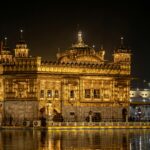
Golden Temple (230 km): The holiest Sikh shrine in Amritsar with its golden dome, Amrit Sarovar, and langar.
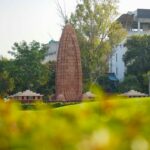
Jallianwala Bagh (230 km): A historic garden in Amritsar commemorating the 1919 massacre, with bullet-marked walls.
Wagah Border (250 km): The India-Pakistan border near Amritsar, famous for its Beating Retreat Ceremony.
Chandigarh (60 km): Punjab’s capital with Rock Garden, Sukhna Lake, and modernist architecture.
Anandpur Sahib (85 km): A sacred Sikh city with Takht Sri Keshgarh Sahib and Hola Mohalla festival.
Explore More
Discover other Punjab treasures like the spiritual Golden Temple or the vibrant Anandpur Sahib on our Punjab destinations page. Plan your royal and cultural journey with indiatourisminfo.com today!