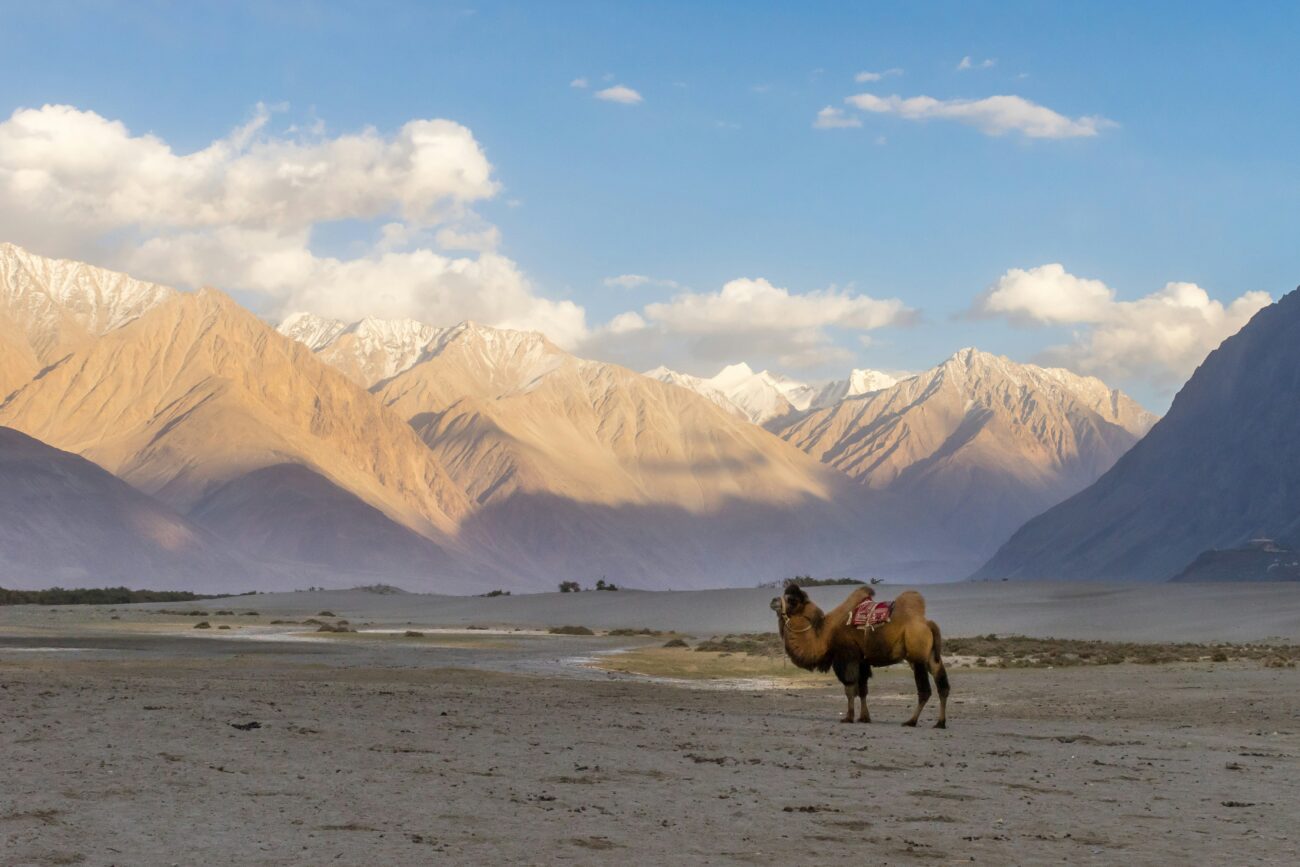
Tucked away in the northern reaches of Ladakh, Jammu & Kashmir, Nubra Valley is a surreal high-altitude desert that blends stark beauty with lush oases, earning its nickname as the “Valley of Flowers.” Situated at an average altitude of 3,000 meters, this enchanting valley, accessible via the dramatic Khardung La Pass, captivates travelers with its unique landscape of sand dunes, Bactrian camels, and snow-capped Himalayan peaks. Once a key stop on the ancient Silk Route, Nubra’s rugged terrain and serene monasteries offer a glimpse into Ladakh’s rich cultural tapestry. The valley’s vibrant villages, like Diskit and Hunder, are home to apricot orchards, Buddhist gompas, and warm Ladakhi hospitality. For visitors to indiatourisminfo.com, Nubra Valley promises an unforgettable adventure, whether you’re riding a double-humped camel across dunes, exploring ancient monasteries, or soaking in the tranquility of this Himalayan oasis. This extraordinary destination, where desert meets mountains, is a must-visit for those seeking a blend of nature, culture, and adventure in North India.
Key Attractions
Diskit Monastery: Ladakh’s oldest and largest monastery in Nubra, featuring a 32-meter Maitreya Buddha statue and panoramic valley views.
Hunder Sand Dunes: A surreal desert landscape with Bactrian camels, offering a unique contrast to the Himalayan backdrop.
Khardung La Pass: One of the world’s highest motorable passes (5,359 meters), a thrilling gateway to Nubra.
Samstanling Monastery: A serene gompa in Sumur village, known for its vibrant murals and peaceful ambiance.
Panasamik Hot Springs: Natural sulfur springs near Panamik village, believed to have medicinal properties.
Yarab Tso Lake: A sacred, turquoise lake near Sumur, ideal for quiet reflection and photography.
Turtuk Village: A remote Balti village near the Line of Control, showcasing unique culture and apricot orchards.
Things to Do
Camel Safari: Ride Bactrian camels across the Hunder sand dunes for a one-of-a-kind desert experience in the Himalayas.
Visit Diskit Monastery: Explore the ancient gompa, climb to the Maitreya Buddha statue, and attend morning prayers.
Trekking: Embark on short treks to Yarab Tso Lake or longer routes through the valley’s rugged terrain.
Photography: Capture the surreal dunes, monasteries, and Himalayan vistas, especially at sunrise or sunset.
Explore Turtuk Village: Walk through this Balti village, interact with locals, and sample fresh apricots.
Relax at Panamik Hot Springs: Soak in the warm sulfur springs for a rejuvenating experience amidst nature.
Cultural Immersion: Attend local festivals or interact with monks at Samstanling Monastery for spiritual insights.
Stargazing: Enjoy clear night skies in Nubra’s remote villages, perfect for astrophotography and star-watching.
Local Culture and History
Nubra Valley’s history is deeply intertwined with its role as a Silk Route hub, connecting Ladakh to Central Asia and Tibet. The valley’s strategic location made it a melting pot of cultures, with influences from Tibetan Buddhism, Balti traditions, and Central Asian trade. Diskit Monastery, founded in the 14th century, is a spiritual anchor, preserving ancient thangkas and Buddhist rituals. The Balti culture in Turtuk, a village reclaimed by India in 1971, adds a unique dimension with its distinct language, cuisine, and Islamic heritage. Locals in Nubra, primarily Ladakhi Buddhists and Balti Muslims, are known for their hospitality, offering visitors homemade butter tea, thukpa, and barley-based tsampa. The valley’s festivals, like the Diskit Gustor Festival (October/November), feature masked cham dances and communal celebrations, showcasing Ladakh’s vibrant heritage. Apricot farming is a way of life, and visitors can purchase dried fruits or jams as souvenirs. Nubra’s nomadic Changpa tribes, grazing yaks in the high plateaus, add to the valley’s cultural richness.
Best Time to Visit
The ideal time to visit Nubra Valley is May to September, when roads, including Khardung La Pass, are open, and the weather is pleasant (10–25°C). Summer (June–August) is peak season, with lush greenery, blooming orchards, and vibrant festivals like Diskit Gustor, though it attracts more tourists. May and September offer milder weather, fewer crowds, and clear skies, ideal for photography and trekking. Winter (October–April) brings freezing temperatures (-15°C to 5°C) and snow, closing Khardung La Pass and limiting access, but offering a serene, icy landscape for hardy travelers. Early mornings provide the best light for photography, while evenings are cooler for exploring villages. Plan around festival dates (e.g., Gustor in October) for cultural experiences, but book accommodations early during peak season to secure camps or guesthouses.
How to Reach
By Air: Fly to Kushok Bakula Rimpochee Airport (Leh, 120–150 km away, ~4–5-hour drive to Diskit/Hunder). Flights connect from Delhi, Mumbai, and Srinagar. Taxis from Leh to Nubra cost ~₹7000–10,000 round trip.
By Train: The nearest railway station is Jammu Tawi (820 km, ~18–20 hours by road). Take a taxi or HRTC/JKSRTC bus to Leh, then hire a cab or join a tour to Nubra via Khardung La.
By Road: From Leh, drive or take a taxi via Khardung La Pass (120 km to Diskit, ~4 hours). Shared cabs (~₹800–1500/person) or private taxis (~₹7000–10,000) are available. Motorbike trips are popular for adventure enthusiasts.
Local Transport: In Nubra, hire local taxis (~₹200–500) or motorbikes to explore Diskit, Hunder, Turtuk, or Panamik.
Travel Tips
Acclimatization: Spend 2–3 days in Leh to adjust to the high altitude (3,000–4,000 meters) to avoid acute mountain sickness (AMS).
Cost: Camel rides cost ~₹500–1000; monastery entry ~₹30–50; taxi tours from Leh ~₹7000–10,000 (as of 2023; verify current rates).
Dress: Pack warm layers, windproof jackets, sunglasses, and sunscreen for cold, sunny conditions.
Safety: Carry oxygen cans or Diamox for altitude sickness; avoid strenuous activity without acclimatization.
Permits: Foreigners need an Inner Line Permit for Nubra, obtainable online or in Leh; Indians may need one for Turtuk.
Connectivity: Mobile networks are unreliable; Wi-Fi is available at some camps; carry cash for local vendors.
Environment: Avoid littering to preserve Nubra’s pristine ecosystem; use designated bins.
Respect Local Culture: Dress modestly, seek permission before photographing locals or monks, and respect sacred sites.
Nearby Attractions
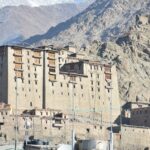
Leh Palace (120 km): A 17th-century royal fortress with a museum and Himalayan vistas.
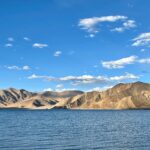
Pangong Lake (160 km from Diskit): A stunning high-altitude lake with vibrant blue waters, perfect for a day trip.
Thiksey Monastery (100 km): A hilltop gompa with a giant Maitreya Buddha statue and Indus Valley views.
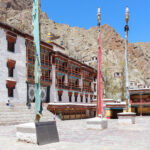
Hemis Monastery (40 km from Leh): Ladakh’s largest monastery, known for its Hemis Festival and ancient relics.
Shanti Stupa (120 km): A white-domed stupa in Leh offering panoramic Himalayan views, ideal for sunset.
Explore More
Discover other Ladakh treasures like the serene Pangong Lake or the historic Hemis Monastery on our Jammu & Kashmir destinations page. Plan your Himalayan adventure with indiatourisminfo.com today!