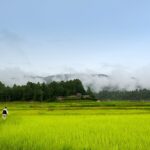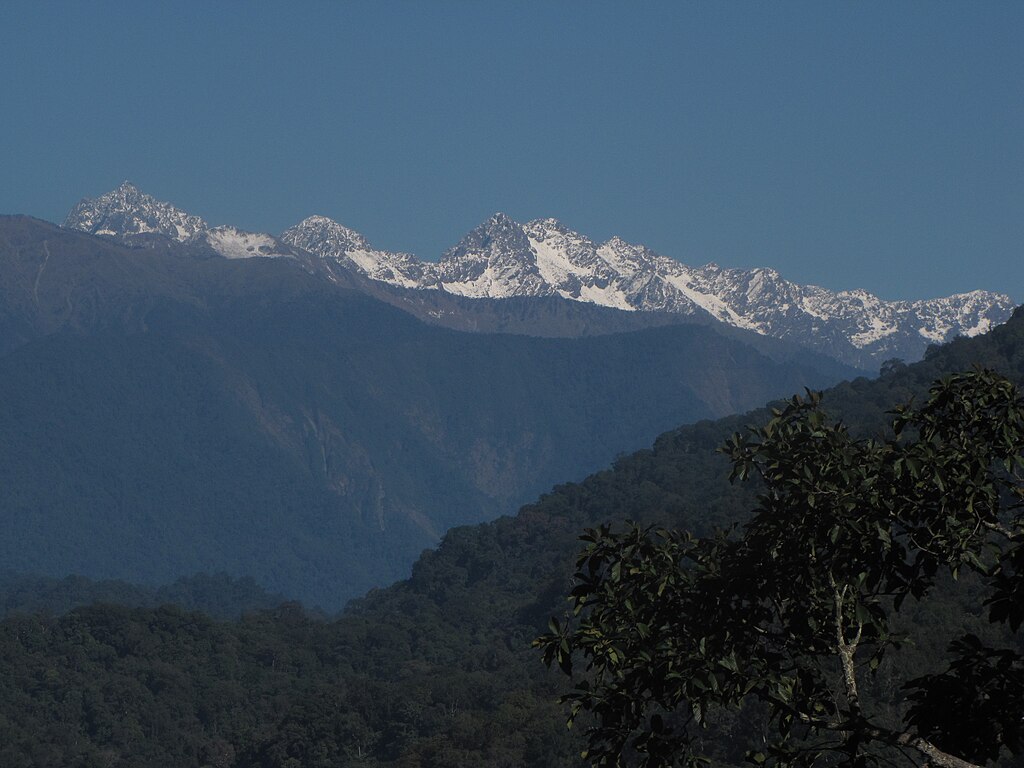
Tucked away like a hidden emerald in the Eastern Himalayas, Namdapha National Park sprawls across Arunachal Pradesh’s Changlang district, a biodiversity hotspot that captivates with its untamed rainforests and rare wildlife. Covering 1,985 sq km, this Tiger Reserve, nestled between the Patkai and Mishmi Hills, is India’s fourth-largest national park and a UNESCO Tentative List site. Home to elusive big cats like the clouded leopard and vibrant birds like the great Indian hornbill, Namdapha echoes the pristine allure of Ziro Valley’s landscapes. For visitors to indiatourisminfo.com, it offers thrilling treks, serene river camps, and cultural encounters with tribes like the Lisu. Designated an Eco-Sensitive Zone in 2024, Namdapha is a must-visit for wildlife enthusiasts, birdwatchers, and adventurers seeking Arunachal’s untouched wilderness.
Key Attractions
Noa-Dihing River: A turbulent river offering scenic views and boating opportunities near Deban.
Deban Forest Rest House: A charming stay amidst evergreen forests, overlooking the Noa-Dihing River.
Camera Point: A vantage point for breathtaking views of Namdapha’s lush greenery and wildlife.
Gandhigram Village: The remotest Lisu tribe village, 120 km from Deban, near the Indo-Myanmar border.
Miao Museum: Displays animal specimens and tribal artifacts, offering insights into local life.
Haldibari Campsite: A scenic camping spot by the river, ideal for nature lovers and birdwatchers.
Dapha Bum Peak: The park’s highest point at 4,571 meters, a trekker’s paradise with Himalayan vistas.
Things to Do
Jungle Trekking: Explore trails like the Namdapha Rainforest Trail (3–5 days, ~₹5000–6000/day) for wildlife spotting.
Birdwatching: Spot over 450 species, including white-winged wood duck and rufous-necked hornbill (October–March, ~₹500–1000 for guides).
Boating on Noa-Dihing River: Enjoy serene boat rides near Deban (~₹200–500, seasonal availability).
Camping at Haldibari: Stay at forest campsites for stargazing and nature immersion (~₹1000–2000/night).
Wildlife Photography: Capture rare species like Hoolock gibbons or Namdapha flying squirrels (carry binoculars, ~₹1000–2000 for equipment rentals).
Visit Miao Museum: Learn about tribal culture and park biodiversity (open 9 AM–4 PM, ~₹50 entry).
Explore Gandhigram: Engage with Lisu tribe traditions, with permission (120 km trek, guided tours recommended).
Elephant Safari: Traverse dense forests for wildlife sightings (~₹1000–1500, book via forest department).
Local Culture and History
Namdapha National Park, named after the Singpho words “nam” (water) and “dapha” (origin), reflects its lifeline, the Noa-Dihing River. Established as a wildlife sanctuary in 1972 and a national park and Tiger Reserve in 1983, it gained fame during World War II when crashed planes highlighted its remote wilderness. The park is home to tribes like the Lisu, Tangsa, and Singpho, whose villages, such as Gandhigram, add cultural depth with traditional crafts and festivals like the Tangsa’s Moh-Mol (April, tentative). Its biodiversity, with over 1,000 floral and 1,400 faunal species, earned UNESCO Tentative List status. Recent eco-tourism initiatives, noted on X, promote sustainable homestays, while the 2024 Eco-Sensitive Zone designation enhances conservation efforts, akin to Bomdila’s eco-focus.
Best Time to Visit
Namdapha is best visited from October to April (autumn/winter, 8–25°C), when trails are accessible, and birdwatching is optimal. March–April offers sporadic showers and blooming flora, ideal for photography. June to October (monsoon, 15–37°C, 1000 mm precipitation) brings lush greenery but risks landslides and impassable rivers; avoid trekking. November–February is cooler and drier, perfect for camping. Early mornings (6–9 AM) maximize wildlife sightings. Book permits and accommodations early for peak season (October–March) to secure spots at Deban or Miao, especially with increased tourism post-2024 ESZ status.
How to Reach
By Air: The nearest airport is Mohanbari (Dibrugarh, 160 km, ~5-hour drive), with flights from Guwahati and Kolkata. Taxis cost ~₹3500–5500. Guwahati Airport (430 km, ~12-hour drive) offers broader connectivity.
By Train: Tinsukia Railway Station (127 km, ~4-hour drive) connects to Guwahati and Dibrugarh. Margherita Railway Station (80 km, ~3-hour drive) is closer for passenger trains. Taxis cost ~₹2500–4500.
By Road: From Dibrugarh (160 km, 5 hours) via Tinsukia, Margherita, and Miao, take NH15 to Miao, then a 26-km forest road to Deban. Arunachal STC buses or private taxis (~₹3500–5500 from Dibrugarh) and shared jeeps (~₹300–600) are available. Self-driven cars require Inner Line Permits (ILP) and parking at Deban.
Local Transport: Hire taxis (~₹1000–2000), shared jeeps (~₹50–200), or bikes (~₹200–400/day) in Miao; tempos (~₹20–50) connect to Deban.
Permits: Non-residents need an ILP (arunachaltourism.com, ~₹100–400) and a park permit from the Field Director’s office in Miao (~₹50). Apply early.
Travel Tips
Booking: Book ILP and park permits in advance; reserve Deban Forest Rest House or campsites early via forest department or tour operators.
Cost: Entry ~₹50; camping ~₹1000–2000/night; taxi from Dibrugarh ~₹3500–5500; meals at Deban ~₹50–200 (verify 2025 rates).
Dress: Wear leech socks, sturdy trekking shoes, and layered clothing for variable weather; carry raincoats for sporadic showers.
Safety: Check trail conditions for monsoon landslides; carry insect repellent and leech protection; secure valuables at campsites.
Respect Local Culture: Seek permission for photography in tribal villages; respect Lisu and Tangsa traditions; support local crafts in Miao.
Environment: Namdapha is a plastic-free zone; carry reusable water bottles; fines apply for littering.
Connectivity: Mobile networks are patchy; Wi-Fi is limited to Miao lodges; carry cash for small vendors and transport.
Accessibility: Trails are rugged; inform guides for mobility assistance; elephant safaris aid navigation in dense forests.
Nearby Attractions
Miao Town (26 km): A gateway to Namdapha with vibrant markets and Tangsa cultural experiences.
Kamlang Wildlife Sanctuary (80 km): A Tiger Reserve with hornbills and Hoolock gibbons, declared an Eco-Sensitive Zone in 2024.
Nampong (40 km): A border town with Indo-Myanmar trade markets and cultural diversity.
Golden Pagoda, Namsai (120 km): A stunning Buddhist temple with serene surroundings.
Dibru-Saikhowa National Park (140 km): A riverine park in Assam for birdwatching and boat safaris.
Explore More
Discover other Arunachal Pradesh treasures like the scenic Ziro Valley or spiritual Tawang Monastery on our Arunachal Pradesh destinations page. Plan your wildlife adventure with indiatourisminfo.com today!