Cradled in the lush Kullu Valley of Himachal Pradesh, Manali is a captivating hill station that seamlessly blends adrenaline-pumping adventures with serene Himalayan landscapes. Nestled at 2,050 meters along the banks of the Beas River, this vibrant town is a magnet for trekkers, honeymooners, and nature enthusiasts, offering snow-capped peaks, apple orchards, and ancient temples. Manali’s charm lies in its duality: a bustling hub for paragliding and skiing, yet a peaceful retreat with spiritual sites like Hadimba Temple. Once a stopover for traders and hippies on the ancient trade routes, it now thrives as a gateway to Lahaul and Spiti. For visitors to indiatourisminfo.com, Manali promises an exhilarating escape, whether you’re rafting on the Beas, exploring old Manali’s bohemian vibe, or marveling at Rohtang Pass’s snowy vistas. With its blend of adventure, culture, and natural splendor, Manali is an unmissable jewel in North India’s Himalayan crown, inviting travelers to experience its dynamic spirit.
Key Attractions
Hadimba Devi Temple: A 16th-century wooden temple in a cedar forest, dedicated to Goddess Hadimba, with intricate carvings.
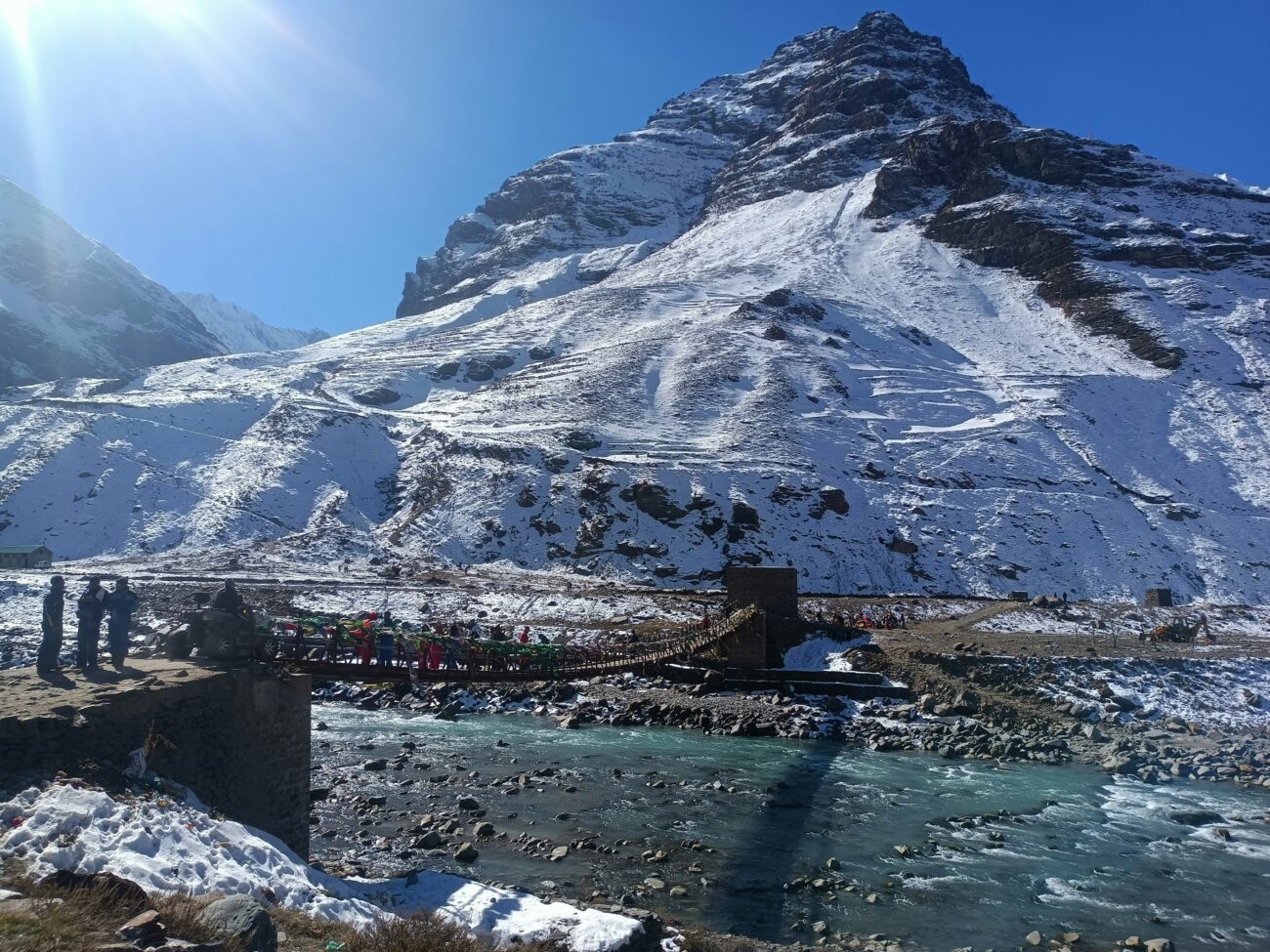
Rohtang Pass: A high-altitude pass (3,978 meters) offering snow activities and stunning Himalayan views, 51 km from Manali.
Solang Valley: A hub for adventure sports like paragliding, zorbing, and skiing, with scenic meadows.
Old Manali: A charming area with bohemian cafes, quaint streets, and a laid-back vibe.
Manu Temple: A sacred shrine dedicated to Sage Manu, believed to be the creator of human life in Hindu mythology.
Vashisht Hot Springs: Natural sulfur springs near Vashisht Temple, known for their therapeutic properties.
Jogini Falls: A picturesque waterfall accessible via a short trek, ideal for nature lovers.
Things to Do
Adventure Sports: Try paragliding, zorbing, or skiing in Solang Valley, or snowboarding at Rohtang Pass in winter.
Trekking: Explore trails to Jogini Falls, Hampta Pass, or Bhrigu Lake for scenic Himalayan adventures.
River Rafting: Experience thrilling white-water rafting on the Beas River, suitable for beginners and experts.
Visit Hadimba Temple: Pay respects at this ancient temple and enjoy its serene forest setting.
Explore Old Manali: Wander through its quirky cafes, shop for handicrafts, and soak in the bohemian atmosphere.
Photography: Capture the snow-capped peaks, lush valleys, and vibrant markets, especially at sunrise.
Relax at Vashisht Hot Springs: Soak in the warm springs or visit the nearby Vashisht Temple for spiritual calm.
Attend Local Festivals: Experience Kullu Dussehra (October) or local fairs for cultural immersion and folk dances.
Local Culture and History
Manali’s history traces back to its mythological roots, named after Sage Manu, who, according to Hindu lore, survived the great flood and founded human civilization. The town’s strategic location along ancient trade routes to Ladakh and Central Asia shaped its cultural diversity, blending Himachali traditions with Tibetan influences. The local Kullu culture is vibrant, with Pahari communities known for their colorful attire, Nati folk dances, and warm hospitality. Hadimba Devi Temple, built in 1553, reflects the region’s deep spiritual heritage, while Old Manali’s bohemian vibe attracts global travelers. Local cuisine, including siddu (steamed bread), thukpa, and babru (fried bread), is a delight at dhabas and cafes. Apple orchards and woolen crafts, like Kullu shawls, are integral to the economy, with markets buzzing with handmade goods. Festivals like Kullu Dussehra and Hadimba Devi Fair bring the town alive with processions, music, and traditional performances, offering a window into Himachal’s rich cultural tapestry.
Best Time to Visit
Manali is a year-round destination, with each season offering distinct experiences. March to June (spring and summer, 10–25°C) is ideal for adventure sports, trekking, and sightseeing, with blooming orchards and clear skies, though it’s peak season with more crowds. September to November (autumn) brings crisp weather, vibrant foliage, and fewer tourists, perfect for photography and hiking. Winter (December–February, -5°C to 10°C) transforms Manali into a snowy paradise, ideal for skiing, snowboarding, and cozy getaways, especially at Rohtang Pass (open only with permits in early winter). The monsoon (July–August) can bring heavy rain and landslides, so check road conditions. Early mornings offer clear views for photography, while evenings are perfect for cozy café visits. Plan around Kullu Dussehra (October) for cultural immersion, but book accommodations early during peak seasons to secure hotels or camps.
How to Reach
By Air: The nearest airport is Bhuntar Airport (Kullu, 50 km away, ~1.5-hour drive), with flights from Delhi and Chandigarh. Taxis from Bhuntar cost ~₹1500–2500. Alternatively, fly to Chandigarh (300 km, ~8–9-hour drive).
By Train: The nearest railway station is Joginder Nagar (150 km, ~5–6 hours by road). Alternatively, use Chandigarh (300 km) or Kalka (270 km, ~7–8 hours). Taxis or HRTC buses from these stations cost ~₹3000–5000.
By Road: Manali is accessible via NH3 from Chandigarh (300 km, 8–9 hours) or Delhi (540 km, 12–14 hours). HRTC buses, private taxis (~₹5000–8000 from Chandigarh), or self-driven cars are common. Shared cabs are available from Chandigarh’s bus stand.
Local Transport: In Manali, hire taxis (~₹200–500) or auto-rickshaws for local sights; bikes (~₹500–1000/day) are popular for exploring Old Manali or Solang Valley.
Travel Tips
Booking: Reserve hotels, adventure activities, or Rohtang Pass permits in advance during peak seasons (March–June, December–January).
Cost: Rohtang Pass permits ~₹50–500; paragliding ~₹1500–3000; rafting ~₹800–2000 (as of 2023; verify current rates).
Dress: Pack warm layers for winter and evenings; sturdy shoes for trekking; rain gear for monsoon visits.
Safety: Check weather and road conditions for Rohtang Pass; use licensed operators for adventure sports.
Permits: Rohtang Pass requires an online permit for vehicles; apply via the Himachal Tourism website.
Connectivity: Mobile networks are reliable, but Wi-Fi may be limited in budget stays; carry cash for small vendors.
Environment: Avoid littering to preserve Manali’s natural beauty; use designated bins.
Respect Local Culture: Dress modestly at temples; seek permission before photographing locals or rituals.
Nearby Attractions
Kullu (40 km): A scenic town known for Kullu Dussehra, shawl markets, and the Great Himalayan National Park.
Manikaran (80 km): A pilgrimage site with hot springs and the Gurudwara Shri Manikaran Sahib.
Naggar (20 km): A historic village with Naggar Castle, art galleries, and Roerich Museum.
Kasol (75 km): A backpacker hub in Parvati Valley with cafes, treks, and a bohemian vibe.
Jispa (130 km): A serene stopover en route to Lahaul, ideal for camping and Himalayan views.
Explore More
Discover other Himachal treasures like the colonial charm of Shimla or the adventurous Kufri on our Himachal Pradesh destinations page. Plan your hill station adventure with indiatourisminfo.com today!