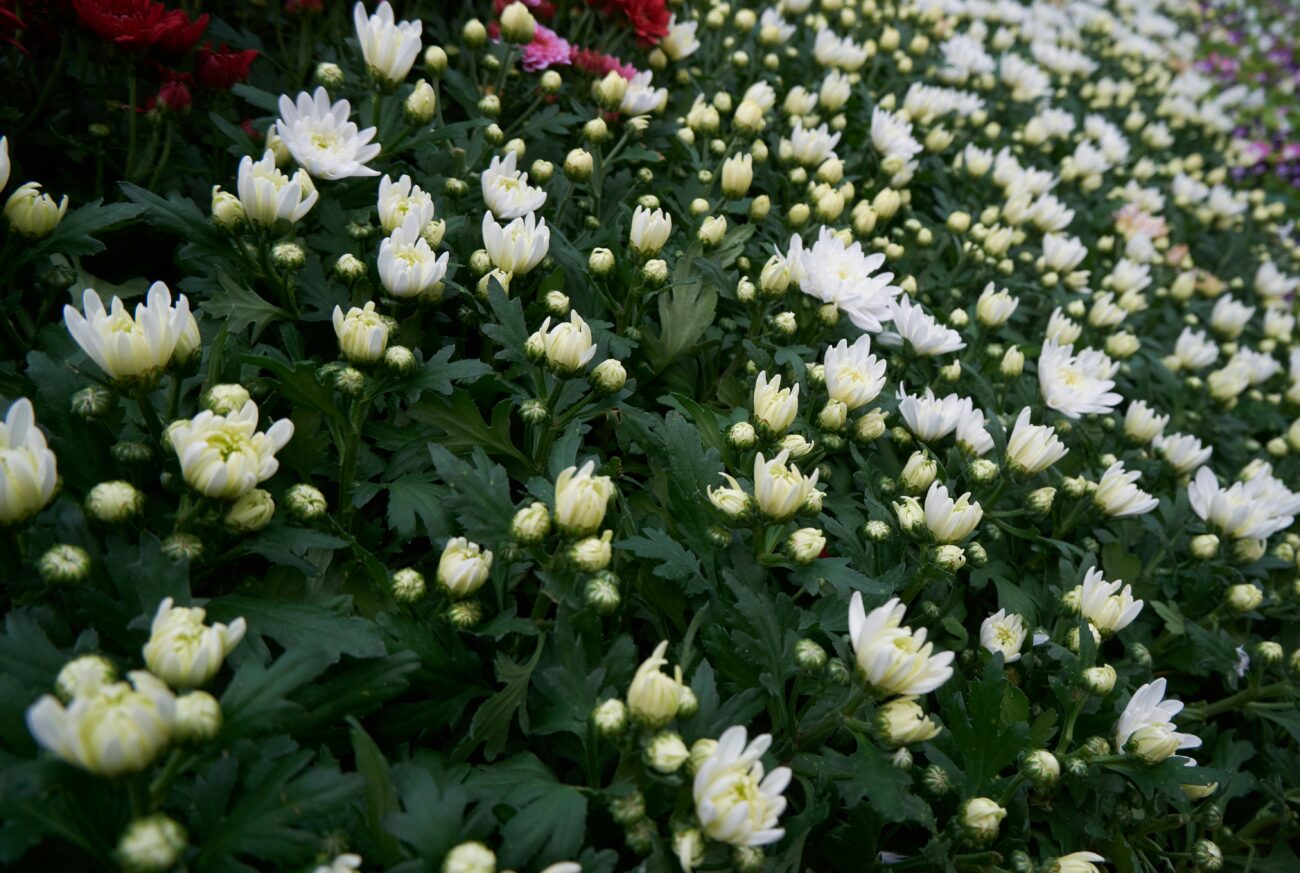
Blossoming like a vibrant tapestry in the heart of Bengaluru, Lalbagh Botanical Garden emerges as a serene sanctuary of nature, history, and horticultural splendor. Located in Karnataka at an altitude of 900 meters, this 240-acre garden, established in the 18th century by Hyder Ali and expanded by Tipu Sultan, is renowned for its exotic flora, historic Glass House, and vibrant flower shows. A natural haven akin to the misty allure of Coorg, Lalbagh captivates with its lush landscapes, rare trees, and cultural events. For visitors to indiatourisminfo.com, Lalbagh offers an immersive escape, whether you’re strolling through rose gardens, admiring colonial architecture, or savoring Bengaluru’s cosmopolitan vibe. This verdant landmark, blending biodiversity with Karnataka’s rich heritage, is an unmissable destination in South India for nature lovers, history enthusiasts, and families seeking tranquility amidst urban bustle.
Key Attractions
Glass House: A 19th-century iron-and-glass structure inspired by London’s Crystal Palace, hosting biannual flower shows.
Lalbagh Lake: A serene lake surrounded by walking paths, ideal for birdwatching and relaxation.
Rose Garden: A vibrant collection of over 150 rose varieties, a highlight for floral enthusiasts.
Bonsai Garden: A tranquil area with meticulously crafted miniature trees, showcasing horticultural artistry.
Kempegowda Tower: A historic stone tower offering elevated views of the garden’s expanse.
Ancient Banyan Tree: A 300-year-old tree, one of India’s largest, symbolizing Lalbagh’s legacy.
Floral Clock: A unique timekeeping feature adorned with colorful flowers, a popular photo spot.
Things to Do
Explore the Glass House: Admire its architecture and attend the Independence Day Flower Show (August 2025, dates TBD).
Stroll the Rose Garden: Wander through vibrant rose beds, perfect for photography and relaxation.
Visit Lalbagh Lake: Enjoy birdwatching, spotting migratory birds like kingfishers and herons.
Discover the Bonsai Garden: Marvel at miniature trees and learn about bonsai cultivation techniques.
Climb Kempegowda Tower: Ascend for panoramic views of Lalbagh’s greenery and Bengaluru’s skyline.
Photography: Capture the Floral Clock, ancient banyan, or Glass House at golden hour.
Join Guided Tours: Take horticultural tours to learn about Lalbagh’s rare plants and history.
Savor Bengaluru Cuisine: Relish masala dosa, filter coffee, or bisi bele bath at nearby eateries like MTR.
Local Culture and History
Lalbagh Botanical Garden, commissioned in 1760 by Hyder Ali and enhanced by Tipu Sultan, was designed as a Mughal-style pleasure garden, later transformed into a botanical hub under British rule. Its Glass House, built in 1889, reflects colonial influences, while the garden’s rare plants, like the baobab, highlight global botanical exchanges. Bengaluru’s cosmopolitan culture thrives around Lalbagh, with Kannada traditions like Yakshagana dance, Carnatic music, and cuisine including idli-vada, ragi mudde, and mysore pak. Nearby markets sell Mysore silk and sandalwood crafts, echoing Surajkund’s artisanal vibe. Festivals like Republic Day and Independence Day flower shows (January and August) draw crowds, akin to Mysore Palace’s Dasara allure. Lalbagh’s blend of horticultural heritage and Bengaluru’s vibrant urban spirit offers visitors a rich cultural experience.
Best Time to Visit
Lalbagh is a year-round destination, with October to March (autumn and winter, 15–28°C) ideal for exploring the gardens, lakes, and outdoor attractions, thanks to pleasant weather. August is vibrant with the Independence Day Flower Show (2025 dates TBD), showcasing stunning floral displays. April to June (spring and summer, 20–38°C) is suitable for early morning (7–10 AM) or evening visits (post-4 PM) to avoid heat; shaded areas provide relief. The monsoon (July–September) brings lush greenery but wet paths; carry umbrellas and sturdy shoes. Early mornings offer serene walks and fewer crowds, while evenings are ideal for Glass House visits. Book accommodations early for flower show seasons or peak times (October–March) to secure spots in Bengaluru’s central areas.
How to Reach
By Air: The nearest airport is Kempegowda International Airport (Bengaluru, 35 km away, ~1-hour drive), with flights from Delhi, Mumbai, and Chennai. Taxis from the airport cost ~₹600–1200.
By Train: The nearest railway station is Bengaluru City Junction (5 km, ~15-minute drive), with trains from Mumbai, Chennai, and Delhi. Taxis or auto-rickshaws from the station cost ~₹100–200. Krantivira Sangolli Rayanna Station (5 km) is another option.
By Road: Bengaluru is accessible via NH44 from Chennai (350 km, 6 hours) or Hyderabad (550 km, 8 hours). KSRTC buses, private taxis (~₹300–600 from city center), or shared cabs (~₹50–150) reach Lalbagh. Self-driven cars have parking near the garden.
Local Transport: From Bengaluru’s city center, hire taxis (~₹100–300) or auto-rickshaws (~₹50–150); BMTC buses (~₹20–50) or metro (Green Line to Lalbagh, 1 km away) connect to the garden.
Travel Tips
Booking: Purchase entry tickets at the gate; no advance booking needed; book accommodations for flower show seasons.
Cost: Lalbagh entry ~₹20 for adults, free before 8 AM; camera fee ~₹50 (as of 2023; verify 2025 rates).
Dress: Wear comfortable clothing and walking shoes; carry hats or umbrellas for sun or rain; modest attire for nearby temples.
Safety: Secure valuables in crowded areas; follow garden rules; avoid touching rare plants; be cautious on wet paths.
Respect Local Culture: Maintain silence in serene areas; seek permission for photography during events; respect nearby religious sites.
Connectivity: Mobile networks are reliable; Wi-Fi is available at nearby cafes; carry cash for small vendors and autos.
Environment: Avoid littering to preserve the garden’s ecosystem; use designated bins; support eco-friendly initiatives.
Accessibility: Most paths and the Glass House are wheelchair-accessible; some areas have uneven terrain; inform staff for assistance.
Nearby Attractions
Mysore Palace (150 km): A stunning Wodeyar palace with grand architecture and Dasara celebrations.
Cubbon Park (3 km): A lush urban park with walking trails and historic buildings.
Vidhana Soudha (5 km): Karnataka’s majestic state legislature building, showcasing neo-Dravidian architecture.
Bannerghatta National Park (25 km): A wildlife sanctuary with a zoo, safari, and butterfly park.
Tipu Sultan’s Summer Palace (4 km): A 18th-century teakwood palace with intricate frescoes.
Explore More
Discover other Karnataka treasures like the regal Mysore Palace or serene Cubbon Park on our Karnataka destinations page. Plan your nature and cultural journey with indiatourisminfo.com today!