Steeped in the timeless lore of the Mahabharata, Kurukshetra unfolds as a sacred and historic gem in Haryana, where the echoes of an ancient epic resonate through its hallowed grounds. Located at 160 meters, this revered city, 170 km north of Delhi, is famed as the battlefield where Lord Krishna delivered the Bhagavad Gita to Arjuna. Its spiritual and historical significance, akin to sacred sites like Anandpur Sahib, draws pilgrims and history enthusiasts to landmarks like Jyotisar and Brahma Sarovar. With vibrant temples, serene lakes, and museums narrating the epic’s legacy, Kurukshetra blends spirituality with cultural richness. For visitors to indiatourisminfo.com, Kurukshetra offers a profound journey, whether you’re exploring ancient sites, attending Gita Jayanti, or soaking in Haryana’s warm hospitality. This sacred land, weaving mythology with tangible history, is an unmissable destination in North India for those seeking spiritual depth and epic heritage.
Key Attractions
Jyotisar: The sacred site where Lord Krishna delivered the Bhagavad Gita, marked by a historic banyan tree.
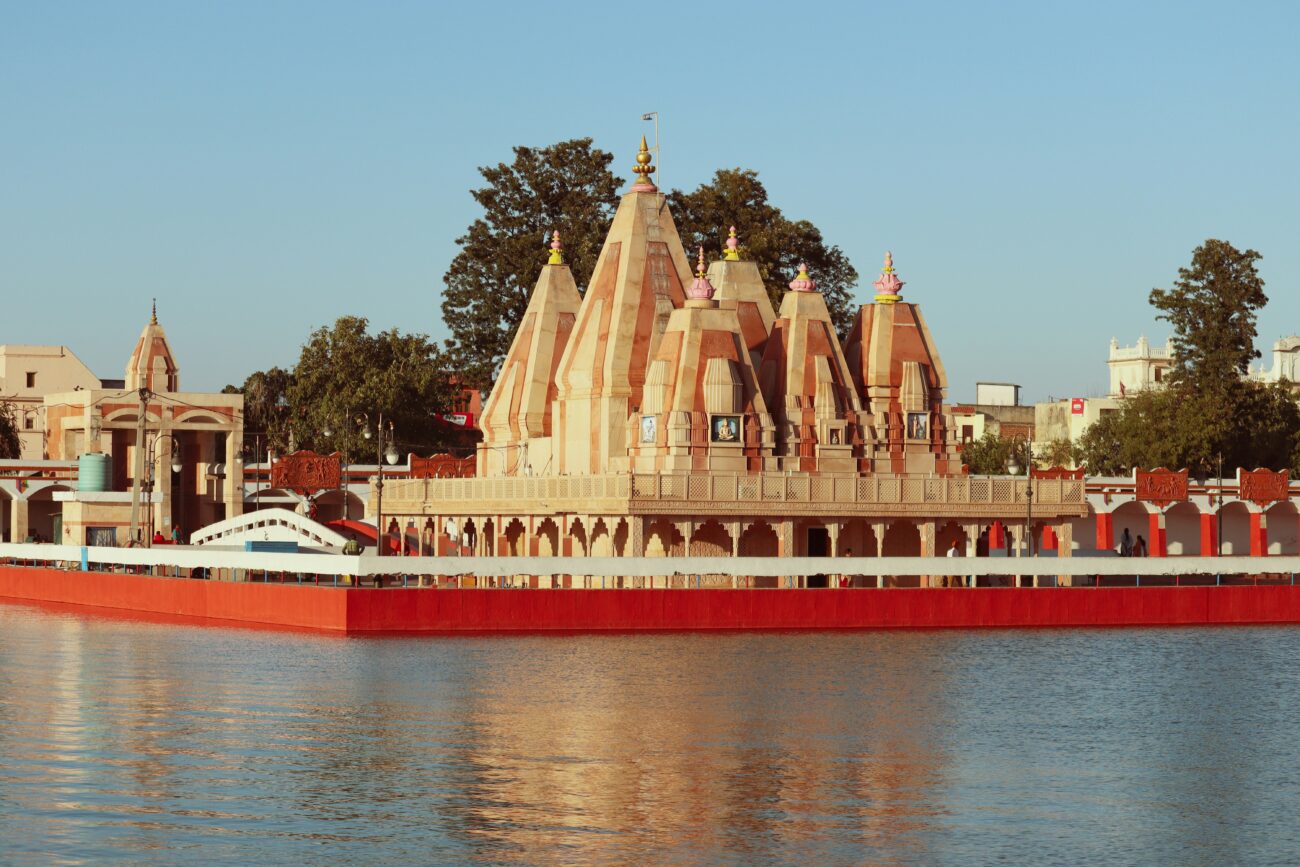
Brahma Sarovar: A massive holy lake, one of India’s largest, revered for its spiritual significance and serene ambiance.
Sri Krishna Museum: A museum showcasing Mahabharata artifacts, paintings, and multimedia exhibits.
Bhadrakali Temple: A Shakti Peeth dedicated to Goddess Bhadrakali, linked to the Mahabharata’s Pandavas.
Sannihit Sarovar: A sacred lake believed to be a meeting point of seven holy rivers, ideal for rituals.
Kurukshetra Panorama and Science Centre: An interactive museum with a 360-degree depiction of the Mahabharata war.
Sheikh Chilli’s Tomb: A Mughal-era mausoleum with intricate architecture and a serene garden.
Things to Do
Visit Jyotisar: Pay homage at the Gita Sthal, meditate under the banyan tree, and explore its spiritual exhibits.
Explore Brahma Sarovar: Take a holy dip, attend evening aartis, or stroll along the serene lakefront.
Tour Sri Krishna Museum: Discover Mahabharata artifacts, sculptures, and interactive Gita displays.
Pray at Bhadrakali Temple: Offer prayers at this ancient shrine, significant for its Pandava connections.
Photography: Capture Brahma Sarovar’s aarti, Jyotisar’s banyan tree, and Mughal architecture at Sheikh Chilli’s Tomb, especially at sunset.
Visit Kurukshetra Panorama: Experience the Mahabharata war through immersive dioramas and scientific exhibits.
Attend Gita Jayanti: Join the vibrant festival (November–December) with Gita recitations, processions, and cultural events.
Walk by Sannihit Sarovar: Participate in rituals or enjoy the tranquil ambiance of this sacred lake.
Local Culture and History
Kurukshetra’s history is inseparable from the Mahabharata, the epic battle between the Pandavas and Kauravas, believed to have occurred here 5,000 years ago. Lord Krishna’s delivery of the Bhagavad Gita at Jyotisar marks it as a spiritual cornerstone, revered by Hindus worldwide. The city, named after King Kuru, an ancestor of the Pandavas, is one of India’s holiest pilgrimage sites, hosting festivals like Gita Jayanti. Haryana’s vibrant culture thrives in Kurukshetra, with locals known for their warmth, folk dances like ghoomar, and traditional attire. Cuisine includes hearty dishes like bajra khichdi, kadi pakora, and meethe chawal, served at local dhabas. Markets sell handicrafts, brassware, and Gita texts. Festivals like Gita Jayanti and solar eclipses draw pilgrims for sacred dips in Brahma Sarovar, offering visitors a deep dive into Haryana’s spiritual and cultural heritage, akin to Punjab’s festive spirit.
Best Time to Visit
Kurukshetra is a year-round destination, with October to March (autumn and winter, 5–25°C) being ideal for exploring temples, lakes, and museums, with cool weather and clear skies. November–December is vibrant with Gita Jayanti, though crowds peak. April to June (spring and summer, 20–40°C) is suitable for early morning or evening visits to avoid heat; shaded sites like Brahma Sarovar offer relief. The monsoon (July–September) brings moderate rain, enhancing the lakes’ beauty but making paths slippery; carry umbrellas. Early mornings (6–9 AM) are serene for temple visits and rituals, while evenings (4–7 PM) are lively with aartis. Plan around Gita Jayanti (December 2025, dates TBD) for cultural immersion, but book accommodations early during festivals or peak seasons (October–March).
How to Reach
By Air: The nearest airport is Chandigarh International Airport (100 km away, ~2-hour drive), with flights from Delhi, Mumbai, and Bengaluru. Taxis from Chandigarh cost ~₹2000–3500. Alternatively, use Indira Gandhi International Airport (Delhi, 170 km, ~3–4-hour drive).
By Train: Kurukshetra Junction (3 km from Brahma Sarovar, ~10-minute drive) is well-connected to Delhi, Chandigarh, and Amritsar. Auto-rickshaws or taxis from the station cost ~₹50–200.
By Road: Kurukshetra is accessible via NH44 from Delhi (170 km, 3–4 hours) or Chandigarh (100 km, 2 hours). HRTC buses, private taxis (~₹3000–5000 from Delhi), or shared cabs (~₹300–600 from Chandigarh) are available. Self-driven cars are common.
Local Transport: In Kurukshetra, hire auto-rickshaws (~₹50–200) or taxis (~₹200–500) for sites like Jyotisar or Brahma Sarovar; cycle rickshaws (~₹20–50) are available for short distances.
Travel Tips
Booking: Reserve hotels or guesthouses in advance during Gita Jayanti (December) or peak seasons (October–March).
Cost: Brahma Sarovar and temple entry are free; Sri Krishna Museum entry ~₹20–50; Panorama Centre ~₹50–100 (as of 2023; verify current rates).
Dress: Wear modest clothing for temples; comfortable shoes for walking; carry hats or umbrellas for sun or rain.
Safety: Secure valuables in crowded festival areas; follow temple protocols; avoid late-night travel in monsoon due to slippery roads.
Respect Local Culture: Maintain silence during temple rituals; seek permission before photographing aartis or pilgrims; avoid smoking or alcohol near sacred sites.
Connectivity: Mobile networks are reliable; Wi-Fi is available at hotels and cafes; carry cash for small vendors and rickshaws.
Environment: Avoid littering to preserve Kurukshetra’s sanctity; use designated bins.
Accessibility: Brahma Sarovar and museums are wheelchair-accessible; temples may have steps; inform staff for assistance.
Nearby Attractions
Chandigarh (100 km): Haryana’s capital with Rock Garden, Sukhna Lake, and modernist architecture.
Patiala (70 km): A royal city with Qila Mubarak, Sheesh Mahal, and vibrant Phulkari markets.
Anandpur Sahib (120 km): A sacred Sikh city with Takht Sri Keshgarh Sahib and Hola Mohalla festival.
Golden Temple (230 km): The holiest Sikh shrine in Amritsar with its golden dome and langar.
Pinjore Gardens (80 km): A Mughal-style garden near Chandigarh, ideal for picnics and history.
Explore More
Discover other Haryana treasures like the vibrant Chandigarh or the historic Patiala on our Haryana destinations page. Plan your spiritual and cultural journey with indiatourisminfo.com today!