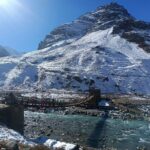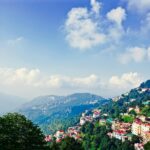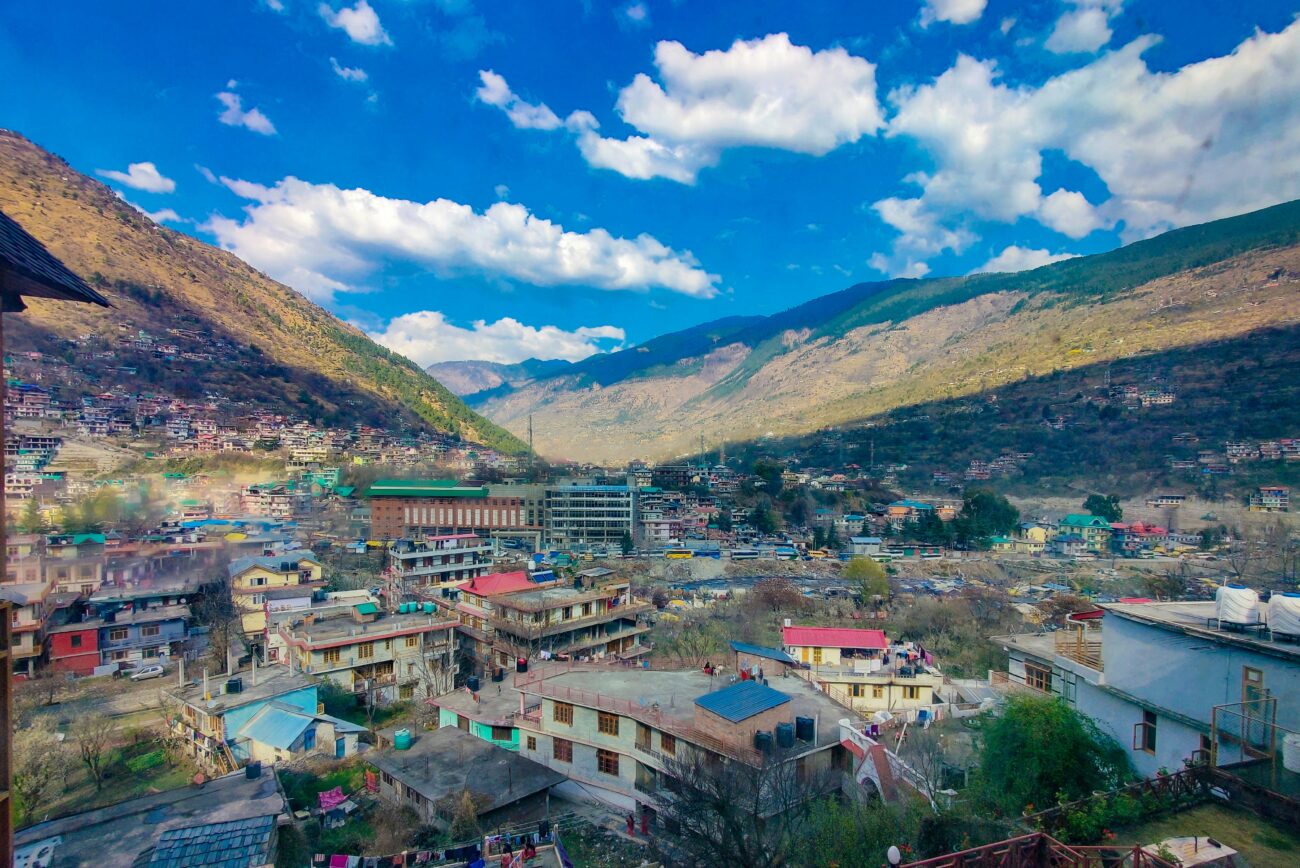
Tucked amidst the lush greenery of Himachal Pradesh’s Kullu Valley, Kullu is a captivating destination that blends natural splendor with rich cultural traditions, earning its title as the “Valley of Gods.” Situated at 1,220 meters along the banks of the Beas River, this scenic town is renowned for its ancient temples, vibrant festivals, and thriving handicraft markets. Kullu’s dramatic landscape, framed by snow-capped Himalayan peaks and apple orchards, makes it a haven for nature lovers, spiritual seekers, and adventure enthusiasts. The annual Kullu Dussehra festival, a week-long celebration of music, dance, and devotion, draws visitors from across India. For those exploring indiatourisminfo.com, Kullu offers a delightful mix of serene riverfronts, sacred sites like Raghunath Temple, and thrilling activities like rafting and trekking. Whether you’re immersing in Himachali culture, shopping for Kullu shawls, or admiring the valley’s majestic vistas, Kullu promises an unforgettable journey into the heart of the Himalayas.
Key Attractions
Raghunath Temple: A revered 17th-century temple dedicated to Lord Rama, central to Kullu’s Dussehra celebrations.
Bijli Mahadev Temple: A hilltop shrine with a Shiva lingam, known for its lightning-struck staff and panoramic views.
Great Himalayan National Park: A UNESCO World Heritage Site with diverse flora, fauna, and trekking trails.
Beas River: A sparkling river offering scenic views, rafting, and tranquil riverside spots.
Sultanpur Palace: A historic palace with Pahari miniature paintings and traditional architecture.
Kaisdhar Meadows: Lush green meadows ideal for picnics and nature walks, surrounded by pine forests.
Jagatsukh Temple: An ancient temple complex dedicated to Lord Shiva and Goddess Sandhya, showcasing local craftsmanship.
Things to Do
River Rafting: Experience thrilling white-water rafting on the Beas River, with options for beginners and experts.
Trekking: Explore trails in the Great Himalayan National Park or to Bijli Mahadev for stunning valley views.
Visit Raghunath Temple: Pay respects at this sacred site and learn about its role in Kullu Dussehra.
Shop at Dhalpur Market: Buy Kullu shawls, caps, and local handicrafts like wooden carvings and jewelry.
Attend Kullu Dussehra: Join the vibrant festival (October) to witness processions, folk dances, and local crafts.
Photography: Capture the Beas River, snow-capped peaks, and colorful markets, especially during sunrise.
Explore Great Himalayan National Park: Join guided treks to spot Himalayan wildlife like snow leopards and musk deer.
Picnic at Kaisdhar: Enjoy a relaxing day amidst meadows, with stunning Himalayan backdrops.
Local Culture and History
Kullu’s cultural heritage is deeply rooted in its identity as the “Valley of Gods,” with over 300 temples reflecting its spiritual significance. The town’s history dates back to the Sapta Rishi period, with legends tying it to ancient sages and deities. The Raghunath Temple, built in 1651 by Raja Jagat Singh, is a cultural cornerstone, hosting the iconic Kullu Dussehra, a festival unlike others, focusing on divine gatherings rather than effigy burning. The local Pahari culture is vibrant, with Himachali communities known for their Nati folk dances, colorful attire, and warm hospitality. Kullu shawls, handwoven with intricate patterns, are a hallmark of local craftsmanship, sold in bustling markets like Dhalpur. Local cuisine, including siddu, chana madra, and apple-based desserts, is a delight at roadside dhabas. The Great Himalayan National Park, established in 1984, underscores Kullu’s commitment to preserving its natural and cultural heritage, while festivals like Dussehra and Phagli bring the valley alive with music and devotion.
Best Time to Visit
Kullu is a year-round destination, with each season offering distinct experiences. March to June (spring and summer, 15–25°C) is ideal for trekking, rafting, and sightseeing, with blooming orchards and clear skies, though it’s peak season with more crowds. September to November (autumn) brings crisp weather, vibrant foliage, and the vibrant Kullu Dussehra (October), perfect for cultural immersion and photography. Winter (December–February, 0–10°C) offers snowy landscapes, ideal for cozy retreats and winter treks, but some high-altitude areas may be inaccessible. The monsoon (July–August) brings heavy rain, increasing landslide risks, so check road conditions. Early mornings provide clear views for photography, while evenings are perfect for market strolls. Plan around Kullu Dussehra for a cultural highlight, but book accommodations early during peak seasons to secure hotels or homestays.
How to Reach
By Air: The nearest airport is Bhuntar Airport (Kullu, 10 km away, ~20-minute drive), with flights from Delhi and Chandigarh. Taxis from Bhuntar cost ~₹500–1000. Alternatively, fly to Chandigarh (250 km, ~7–8-hour drive).
By Train: The nearest railway station is Joginder Nagar (120 km, ~4–5 hours by road). Alternatively, use Chandigarh (250 km, ~7–8 hours). Taxis or HRTC buses from these stations cost ~₹2500–4000.
By Road: Kullu is accessible via NH3 from Chandigarh (250 km, 7–8 hours) or Delhi (500 km, 10–12 hours). HRTC buses, private taxis (~₹4000–6000 from Chandigarh), or self-driven cars are common. Shared cabs are available from Chandigarh’s bus stand.
Local Transport: In Kullu, hire taxis (~₹200–500) or auto-rickshaws for local sights; buses connect to nearby areas like Manali (~₹50–100).
Travel Tips
Booking: Reserve hotels, rafting trips, or Dussehra festival tours in advance during peak seasons (March–June, October).
Cost: Rafting ~₹800–2000; temple entry is free; Great Himalayan National Park permits ~₹50–200 (as of 2023; verify current rates).
Dress: Pack warm layers for winter and evenings; sturdy shoes for trekking; rain gear for monsoon visits.
Safety: Use licensed operators for rafting and trekking; check weather for high-altitude areas like Bijli Mahadev.
Permits: Great Himalayan National Park requires entry permits, obtainable at the park office or online.
Connectivity: Mobile networks are reliable, but Wi-Fi may be limited in budget stays; carry cash for small vendors.
Environment: Avoid littering to preserve Kullu’s natural beauty; use designated bins.
Respect Local Culture: Dress modestly at temples; seek permission before photographing rituals or locals.
Nearby Attractions
Manali (40 km): A vibrant hill station with Rohtang Pass, Hadimba Temple, and adventure sports.
Manikaran (45 km): A pilgrimage site with hot springs and Gurudwara Shri Manikaran Sahib.
Naggar (20 km): A historic village with Naggar Castle and the Roerich Art Gallery.
Kasol (75 km): A backpacker hub in Parvati Valley with treks and a bohemian vibe.
Tirthan Valley (60 km): A serene retreat near the Great Himalayan National Park, ideal for fishing and nature walks.
Explore More
Discover other Himachal treasures like the spiritual Dharamshala or the charming Shimla on our Himachal Pradesh destinations page. Plan your Himalayan adventure with indiatourisminfo.com today!