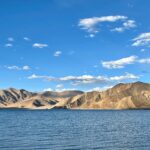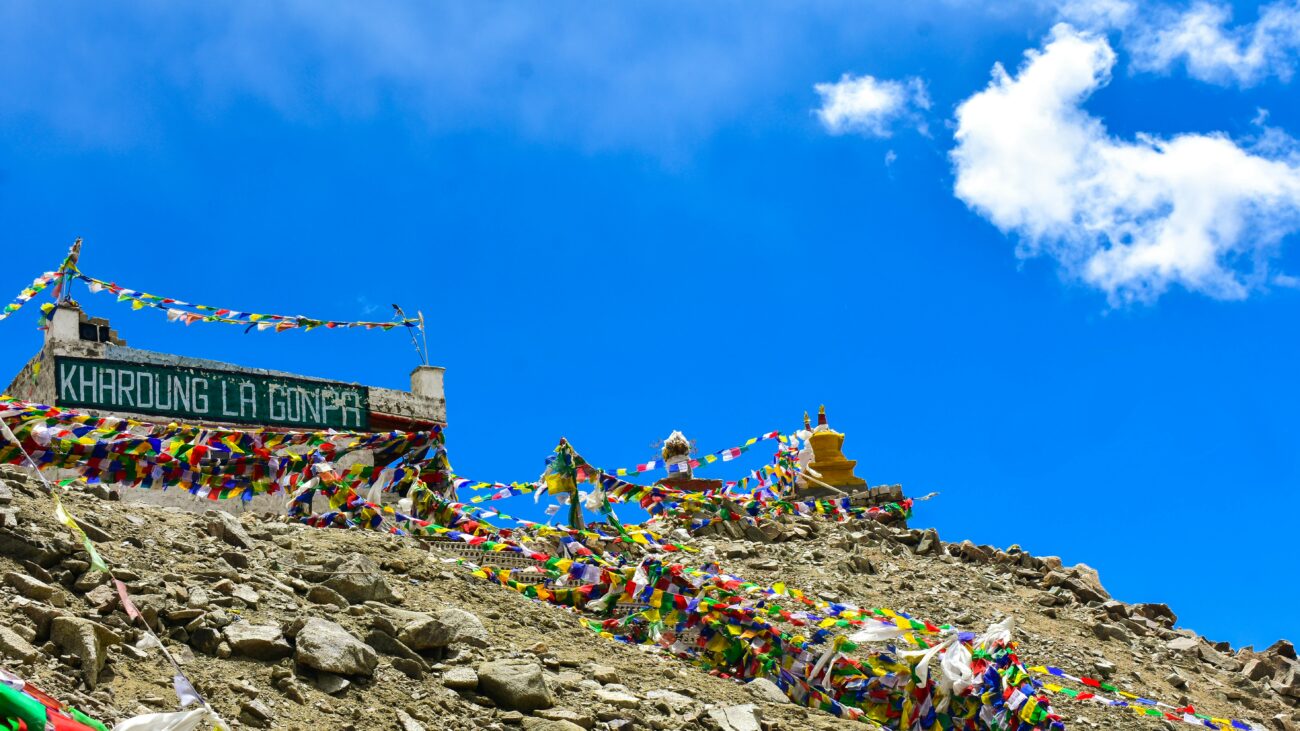
Straddling the rugged Himalayan terrain of Ladakh, Jammu & Kashmir, Khardung La Pass stands at an exhilarating 5,359 meters, often celebrated as one of the world’s highest motorable roads. This iconic pass, located on the route from Leh to Nubra Valley, is a bucket-list destination for adventure enthusiasts, motorbike riders, and nature lovers, offering jaw-dropping views of snow-capped peaks and the stark beauty of the Ladakhi landscape. Historically a vital link on the ancient Silk Route, Khardung La (locally called “La” meaning pass) connects the Indus Valley to the Shyok and Nubra valleys, blending strategic importance with breathtaking scenery. For visitors to indiatourisminfo.com, Khardung La Pass promises a thrilling journey through one of India’s most dramatic high-altitude routes, where the thin air and rugged terrain amplify the sense of adventure. Whether you’re conquering the pass on a motorbike, capturing panoramic vistas, or soaking in the serenity of the Himalayas, Khardung La is an unforgettable highlight of any Ladakh itinerary.
Key Attractions
Panoramic Himalayan Views: Witness 360-degree vistas of the Zanskar and Karakoram ranges, with snow-dusted peaks and vast valleys.
Khardung La Top: The highest point of the pass, marked by a signboard, prayer flags, and a small café for souvenirs and tea.
Military Checkpost: A glimpse into the strategic importance of the pass, maintained by the Indian Army, with a tribute to soldiers.
Prayer Flags and Stupas: Colorful Tibetan prayer flags and small stupas fluttering in the wind, adding spiritual charm.
Snow Walls (Seasonal): Towering snow walls in early summer or late spring, creating a surreal high-altitude experience.
South Pullu and North Pullu: Checkpoints on either side of the pass, offering rest stops and basic amenities.
Wildlife Spotting: Spot rare Himalayan fauna like marmots or ibex in the surrounding rocky terrain.
Things to Do
Motorbike Ride: Embark on a thrilling ride from Leh to Khardung La, a rite of passage for biking enthusiasts, with rentals available in Leh.
Photography: Capture the dramatic landscapes, snow walls, and vibrant prayer flags, especially at sunrise for golden hues.
Scenic Drive: Join a guided taxi tour or drive a rented vehicle for a comfortable journey through the pass.
Trekking: Take short treks around the pass for closer views of the Karakoram peaks and high-altitude flora.
Sip Butter Tea: Stop at the Khardung La Top café to enjoy warm Ladakhi butter tea and snacks amidst the chilly air.
Visit Military Memorial: Pay respects at the small memorial honoring soldiers who maintain the pass in harsh conditions.
Snow Activities (Seasonal): In early summer, enjoy light snow play or photography near snow-covered sections.
Stargazing: On clear nights, stop at a safe spot for unparalleled views of the starry Himalayan sky.
Local Culture and History
Khardung La Pass has a rich history as a vital trade route on the ancient Silk Route, connecting Leh to the Shyok and Nubra valleys and facilitating commerce between India, Tibet, and Central Asia. Named after the nearby village of Khardung, the pass was historically traversed by caravans carrying silk, spices, and precious stones. Today, it’s maintained by the Indian Army, reflecting its strategic importance near the Line of Actual Control. The local Ladakhi culture, rooted in Tibetan Buddhism, is evident in the prayer flags, stupas, and small shrines dotting the pass, symbolizing peace and protection. Visitors can interact with locals at nearby villages like Khardung or Leh, where Ladakhi hospitality shines through offerings of butter tea, thukpa (noodle soup), and momos. The pass’s high-altitude environment shapes the resilient lifestyle of the Changpa nomads, who herd yaks and goats in the region. Festivals like Losar (Ladakhi New Year) bring the area alive with prayers and celebrations, often felt in nearby monasteries like Diskit.
Best Time to Visit
The best time to visit Khardung La Pass is May to September, when the pass is open, and the weather is manageable (5–20°C during the day). Summer (June–August) is peak season, with clear roads and vibrant landscapes, though it attracts more bikers and tourists. May and September offer cooler temperatures, fewer crowds, and excellent conditions for photography and driving. Winter (October–April) brings heavy snow, closing the pass and dropping temperatures to -20°C or lower, making it inaccessible except for extreme adventurers with special permits. Early mornings provide the best light for photography and less traffic, while afternoons can be windy. Check road conditions and weather updates before traveling, as sudden snow or rain can affect accessibility, even in summer.
How to Reach
By Air: Fly to Kushok Bakula Rimpochee Airport (Leh, 40 km away, ~1–1.5-hour drive to Khardung La). Flights connect from Delhi, Mumbai, and Srinagar. Taxis from Leh cost ~₹2000–4000 round trip.
By Train: The nearest railway station is Jammu Tawi (760 km, ~16–18 hours by road). Take a taxi or HRTC/JKSRTC bus to Leh, then hire a cab or motorbike to Khardung La.
By Road: From Leh, drive or take a taxi via NH1 to Khardung La (40 km, ~1–1.5 hours). Shared cabs (~₹300–600/person) or private taxis (~₹2000–4000) are available. Motorbike rentals (~₹1000–2000/day) are popular for adventure riders.
Local Transport: At the pass, walking or short taxi rides (~₹100–200) connect key viewpoints; most visitors return to Leh or proceed to Nubra Valley.
Travel Tips
Acclimatization: Spend 2–3 days in Leh to adjust to the high altitude (5,359 meters) to avoid acute mountain sickness (AMS).
Cost: No entry fee for the pass; taxi tours from Leh ~₹2000–4000; motorbike rentals ~₹1000–2000/day (as of 2023; verify current rates).
Dress: Pack heavy woolens, windproof jackets, gloves, sunglasses, and sunscreen for cold, sunny, and windy conditions.
Safety: Carry oxygen cans or Diamox for altitude sickness; avoid prolonged exposure at the top due to low oxygen levels.
Permits: Foreigners need an Inner Line Permit for Khardung La and Nubra, obtainable online or in Leh; Indians may need one for restricted areas.
Connectivity: Mobile networks are unreliable; carry cash for the café and local vendors.
Environment: Avoid littering to preserve the pristine Himalayan ecosystem; use designated bins.
Health: Stay hydrated, carry snacks, and consult a doctor before traveling to high altitudes.
Nearby Attractions
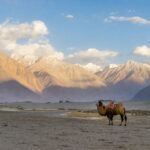
Nubra Valley (80 km from Khardung La): A high-altitude desert with Bactrian camels, Diskit Monastery, and Turtuk Village.
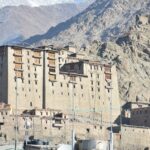
Leh Palace (40 km): A 17th-century royal fortress with a museum and Himalayan vistas.
Shanti Stupa (40 km): A white-domed stupa in Leh offering panoramic views, ideal for sunset.
Thiksey Monastery (60 km): A hilltop gompa with a giant Maitreya Buddha statue and Indus Valley views.
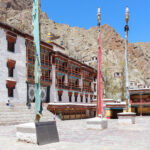
Hemis Monastery (80 km): Ladakh’s largest monastery, known for its Hemis Festival and ancient relics.
Explore More
Discover other Ladakh treasures like the serene Nubra Valley or the spiritual Hemis Monastery on our Jammu & Kashmir destinations page. Plan your Himalayan adventure with indiatourisminfo.com today!