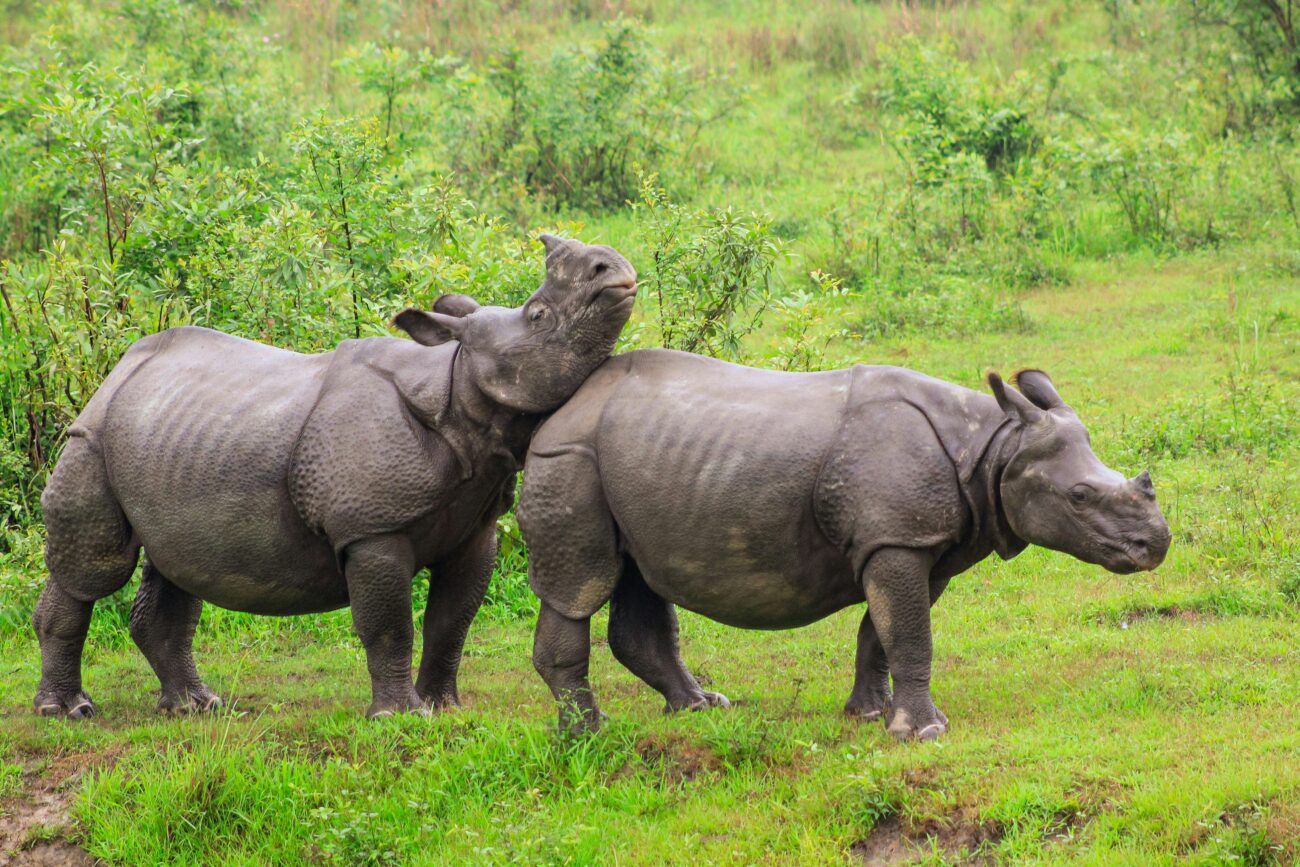
Sprawling across the floodplains of the Brahmaputra River like a vibrant mosaic of wilderness, Kaziranga National Park stands as Assam’s crown jewel, a UNESCO World Heritage Site celebrated for hosting two-thirds of the world’s one-horned rhinoceros population. Located at an altitude of 60 meters in the Golaghat and Nagaon districts, this 430-sq-km park, established in 1905, is a biodiversity hotspot with grasslands, wetlands, and forests. A natural marvel akin to the pristine Kanger Valley National Park, Kaziranga captivates with its wildlife and scenic beauty. For visitors to indiatourisminfo.com, Kaziranga offers an immersive adventure, from thrilling safaris to cultural encounters with Assam’s tribal communities. This eco-tourism haven, lauded for its conservation success, is an unmissable destination for wildlife enthusiasts, nature lovers, and travelers seeking Assam’s untamed splendor.
Key Attractions
One-Horned Rhinoceros: Home to over 2,400 rhinos, offering high sighting chances during safaris.
Kaziranga Orchid Park: India’s largest orchid park with over 600 species, showcasing Assam’s floral diversity.
Brahmaputra River: A scenic lifeline for the park, ideal for boat safaris and birdwatching.
Kohora Range: A core safari zone known for rhino and tiger sightings amidst grasslands.
Bagori Range: A western zone with wetlands, perfect for spotting swamp deer and waterfowl.
Pobitora Wildlife Sanctuary (nearby): A mini-reserve within 50 km, known for dense rhino populations.
Ethnic Village and Cultural Centre: A showcase of Assam’s Mising and Bodo tribal crafts and traditions.
Things to Do
Jeep Safari: Embark on guided jeep safaris in Kohora or Bagori ranges to spot rhinos, tigers, and elephants (November–April).
Elephant Safari: Experience close encounters with wildlife on elephant-back safaris, ideal for early mornings.
Boat Safari on Brahmaputra: Enjoy river cruises to spot Gangetic dolphins and migratory birds.
Visit Kaziranga Orchid Park: Explore 600+ orchid species and tribal handicraft displays.
Birdwatching: Spot over 500 bird species, including Bengal floricans and hornbills, especially November–March.
Explore Tribal Villages: Engage with Mising or Bodo communities to learn about bamboo crafts and folk dances (with permission).
Celebrate Magh Bihu: Join Assam’s harvest festival with bonfires and traditional feasts (January 14–15, 2026).
Savor Local Cuisine: Relish masor tenga, pitha, or jolpan at local eateries like Paradise Restaurant in Kohora.
Local Culture and History
Kaziranga, established as a forest reserve in 1905 and declared a national park in 1974, gained UNESCO status in 1985 for its rhino conservation success, increasing the population from 12 in 1905 to over 2,400 by 2025. Named after the Karbi legend of Kazirang and Ranga, the park is steeped in Assam’s tribal heritage, with Mising, Bodo, and Karbi communities contributing vibrant folk dances like Bihu and crafts like bamboo weaving. The Brahmaputra River, revered in Assamese culture, supports the park’s ecosystem and local livelihoods. Festivals like Magh Bihu and Bohag Bihu (April) feature traditional husori performances and rice-based delicacies, echoing Surajkund’s artisanal vibe. Recent conservation efforts, highlighted by Assam Tourism and X posts, include anti-poaching patrols and community-led eco-tourism, making Kaziranga a global model for wildlife preservation.
Best Time to Visit
Kaziranga National Park is open from November to April (8–28°C), ideal for safaris, birdwatching, and festivals like Magh Bihu (January 14–15, 2026). November to March offers prime wildlife sightings due to sparse vegetation and migratory birds. April brings vibrant Bohag Bihu celebrations. May to October (monsoon, 25–35°C) closes the park due to flooding; plan for November–April visits. Early morning safaris (5:30–9:30 AM) maximize wildlife sightings, while evenings suit boat cruises. Book safari permits and accommodations early for peak seasons (December–February) to secure spots in Kohora or Jorhat, especially during festivals.
How to Reach
By Air: The nearest airport is Jorhat Airport (90 km, ~2-hour drive), with flights from Guwahati, Kolkata, and Delhi. Taxis cost ~₹2000–3500. Guwahati Airport (220 km, ~5-hour drive) offers broader connectivity.
By Train: Furkating Railway Station (75 km, ~1.5-hour drive) connects to Guwahati and Dibrugarh. Taxis or auto-rickshaws cost ~₹1000–2000. Guwahati Railway Station (220 km) is another option.
By Road: Kaziranga is accessible via NH37 from Guwahati (220 km, 5 hours) or Jorhat (90 km, 2 hours). Assam STC buses, private taxis (~₹3000–5000 from Guwahati), or shared jeeps (~₹200–400) reach Kohora. Self-driven cars have parking near safari gates.
Local Transport: Hire taxis (~₹1000–2000), auto-rickshaws (~₹300–600), or bikes (~₹200–500/day) in Kohora; jeeps for safaris (~₹2500–4000) are booked via forest offices.
Travel Tips
Booking: Book safari permits online at assamtourism.gov.in (90 days in advance); reserve accommodations in Kohora or Jorhat early for festivals like Magh Bihu.
Cost: Jeep safari ~₹2500–4000/jeep (max 6 people); elephant safari ~₹1000–1500/person; park entry ~₹100–500; boat safari ~₹500–1000 (as of 2023; verify 2025 rates).
Dress: Wear neutral-colored clothing (khaki, green) for safaris; carry hats, sunglasses, and jackets for early mornings; sturdy shoes for trails.
Safety: Follow guide instructions during safaris; maintain distance from wildlife; secure valuables in crowded areas; check flood alerts if visiting in April.
Respect Local Culture: Seek permission for photography in tribal villages; respect temple sanctity; support artisans at Kohora’s handicraft markets.
Connectivity: Mobile networks are reliable in Kohora; Wi-Fi is available at resorts; carry cash for small vendors and autos.
Environment: Avoid littering to protect ecosystems; use designated bins; support eco-friendly homestays.
Accessibility: Safari jeeps are accessible; some trails have uneven terrain; inform guides for mobility assistance.
Nearby Attractions
Majuli Island (150 km): The world’s largest river island, known for Satra monasteries and Mising culture.
Hoollongapar Gibbon Sanctuary (100 km): A reserve for India’s only apes, the hoolock gibbons.
Sivasagar (170 km): A historical town with Ahom-era monuments like Rang Ghar and Talatal Ghar.
Pobitora Wildlife Sanctuary (50 km): A mini-reserve with dense rhino populations and birdwatching.
Dibru-Saikhowa National Park (200 km): A riverine park with feral horses and migratory birds.
Explore More
Discover other Assam treasures like the cultural Majuli Island or historic Sivasagar on our Assam destinations page. Plan your wildlife and cultural journey with indiatourisminfo.com today!