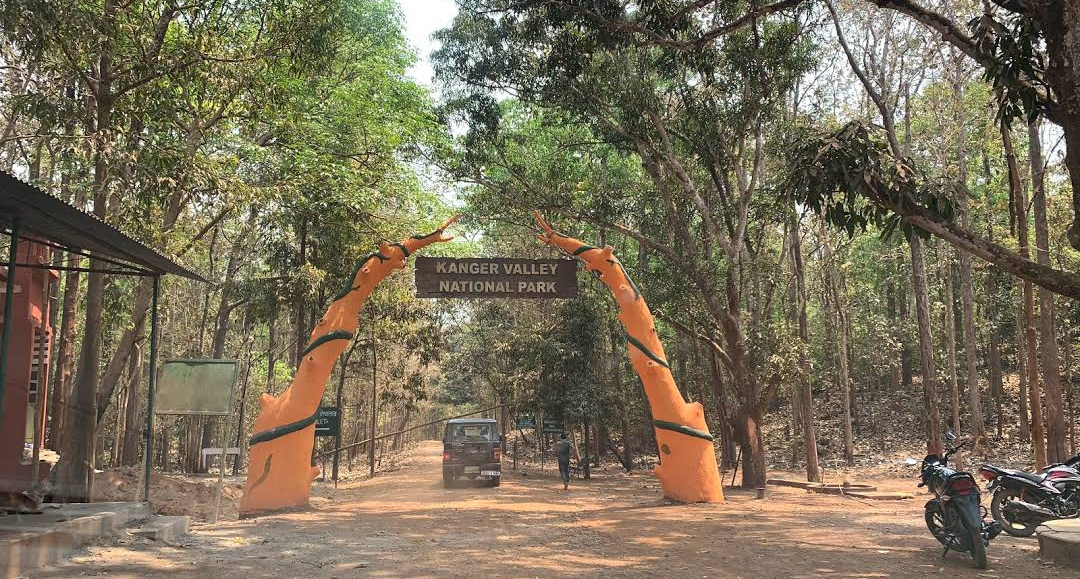
Unfurling like a vibrant canvas of nature’s finest artistry in the heart of Bastar, Kanger Valley National Park stands as Chhattisgarh’s crown jewel, recently honored on UNESCO’s Tentative List of World Heritage Sites in 2025 for its unparalleled biodiversity. Spanning 200 square kilometers, this biosphere reserve, 30 km southeast of Jagdalpur, is a symphony of waterfalls, limestone caves, and dense forests along the Kanger River. A natural marvel akin to the serene Tirathgarh Falls, Kanger Valley captivates with its ecological and tribal richness. For visitors to indiatourisminfo.com, the park offers an immersive adventure, from jungle safaris to tribal village visits. This eco-tourism gem, celebrated for its Bastar Hill Myna and sustainable initiatives, is an unmissable destination for wildlife enthusiasts, adventure seekers, and culture explorers seeking Chhattisgarh’s pristine wilderness.
Key Attractions
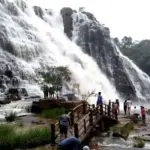
Tirathgarh Falls: A 300-foot multi-tiered waterfall on the Kanger River, known as the “Milky Fall” for its white cascade, ideal for picnics and photography.
Kutumsar Caves: A 330-meter-long limestone cave with stalactite and stalagmite formations, India’s first biologically explored cave.
Kailash Caves: A sacred limestone cave with stunning geological structures, revered by local tribes.
Dandak Caves: A subterranean cave system with intricate formations, popular among adventure enthusiasts.
Kanger River: A pristine waterway enhancing the park’s scenic beauty, ideal for bamboo rafting.
Bastar Hill Myna: Chhattisgarh’s state bird, known for mimicking human voices, a highlight for birdwatchers.
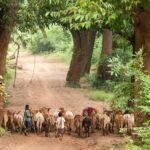
Tribal Villages: Gond and Dhurwa hamlets like Dhudmaras, recognized by UNWTO, showcasing traditional crafts and lifestyles.
Things to Do
Jungle Safari: Embark on open-jeep safaris to spot tigers, leopards, or the Bastar Hill Myna (November–June).
Visit Tirathgarh Falls: Enjoy the waterfall’s misty splendor, perfect for picnics or photography, especially post-monsoon.
Explore Kutumsar Caves: Take guided tours to marvel at stalactite formations (October–March, closed in monsoon).
Bamboo Rafting: Experience eco-friendly rafting on the Kanger River for serene river views.
Birdwatching: Spot over 200 bird species, including racket-tailed drongos and red jungle fowl.
Visit Tribal Villages: Engage with Gond or Dhurwa communities in Dhudmaras to learn about dhokra crafts (with permission).
Attend Bastar Dussehra: Join the 75-day tribal festival with rituals and chariot processions (October 2025, dates TBD).
Savor Local Cuisine: Relish petha, rahkia badi, or mahua sweets served in eco-friendly dona pattals at village stalls.
Local Culture and History
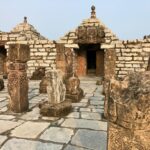
Kanger Valley National Park, established in 1982, is named after the Kanger River, a tributary of the Kolab, and is rooted in Bastar’s tribal heritage, shaped by the Gond, Dhurwa, and Maria tribes since the Kakatiya dynasty (14th century). The park’s caves, like Kutumsar, hold archaeological significance, with limestone formations dating back millennia, some sacred to tribes for rituals. The Bastar Hill Myna, a cultural icon, reflects the region’s ecological harmony. Bastar Dussehra, a 75-day festival unique to the region, celebrates Goddess Danteshwari with tribal dances like Saila, akin to Surajkund’s artisanal vibe. The park’s UNESCO Tentative List inclusion in 2025, following Dhudmaras village’s UNWTO recognition, underscores its global cultural and ecological value. Sustainable initiatives like Myna Mitra and Magar Mitra engage locals in conservation, blending tradition with eco-tourism.
Best Time to Visit
Kanger Valley National Park is best visited from October to March (winter, 10–28°C), ideal for safaris, cave tours, and festivals like Bastar Dussehra (October 2025, dates TBD) or Chitrakoot Mahotsav (February 2025, dates TBD). July to September (monsoon, 20–30°C) showcases lush greenery and full waterfalls but closes caves due to flooding; carry umbrellas and sturdy shoes. April to June (summer, 25–40°C) suits early morning (7–10 AM) or evening visits (post-4 PM) to avoid heat; shaded areas like Tirathgarh Falls offer relief. Mornings are best for wildlife spotting, while evenings suit cultural events. Book safaris and accommodations early for festival or peak seasons (October–March) to secure spots in Jagdalpur or park homestays.
How to Reach
By Air: The nearest airport is Maa Danteshwari Airport (Jagdalpur, 30 km, ~45-minute drive), with flights from Raipur and Hyderabad under the UDAN Scheme. Taxis cost ~₹800–1500. Raipur Airport (270 km, ~5.5-hour drive) offers broader connectivity.
By Train: Jagdalpur Railway Station (30 km, ~45-minute drive) connects to Visakhapatnam and Raipur. Taxis or auto-rickshaws cost ~₹500–1000. Dantewada (70 km, ~1.5-hour drive) is another option.
By Road: Access via NH30 from Jagdalpur (30 km, 45 minutes) or Raipur (270 km, 5.5 hours). CGSTC buses, private taxis (~₹800–1500 from Jagdalpur), or shared jeeps (~₹50–150) are available. Entry is through Netanar (33 km from Jagdalpur) or Kotamsar barriers (27 km). Self-driven cars have parking near Tirathgarh Falls.
Local Transport: Hire taxis (~₹800–1500), auto-rickshaws (~₹300–600), or bikes (~₹200–400/day) from Jagdalpur; park jeeps (~₹1000–2000) offer safaris.
Travel Tips
Booking: Park entry ~₹20–100; safari ~₹1000–2000; cave tours ~₹50–200; book through the District Forest Office or online at tourism.cgstate.gov.in; reserve accommodations early for festivals.
Cost: Food at stalls ~₹50–150; taxi from Jagdalpur ~₹800–1500; homestays ~₹1000–3000/night (as of 2023; verify 2025 rates).
Dress: Wear lightweight clothing and sturdy shoes for trails and caves; carry hats or umbrellas for sun or rain; modest attire for tribal villages or temples.
Safety: Avoid swimming in the Kanger River due to crocodiles; secure valuables during safaris; check travel advisories for Bastar, though tourism areas are safer with enhanced security (2025 updates).
Respect Local Culture: Seek permission before photographing tribal locals; respect village customs; support artisans at Bastar Haat for dhokra or tribal honey.
Connectivity: Mobile networks are patchy in the park; Wi-Fi is available at Jagdalpur hotels; carry cash for small vendors.
Environment: Avoid littering to preserve ecosystems; use designated bins; opt for eco-friendly homestays or dona pattal dining.
Accessibility: Viewpoints and caves have steps; trails may be uneven; inform park staff for mobility assistance.
Nearby Attractions
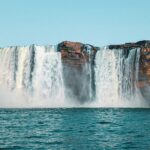
Chitrakoot Falls (35 km): India’s widest waterfall, ideal for boating and scenic views.
Danteshwari Temple (70 km): A 14th-century Shakti Peeth in Dantewada, revered by tribes.
Bastar Palace (30 km): A historic palace in Jagdalpur showcasing tribal artifacts.
Chitradhara Falls (19 km): A smaller waterfall near Chitrakoot, perfect for serene picnics.
Sirpur (200 km): An ancient city with 7th-century temples and Buddhist viharas.
Explore More
Discover other Chhattisgarh treasures like the majestic Sirpur or vibrant Bastar on our Chhattisgarh destinations page. Plan your nature and cultural journey with indiatourisminfo.com today!