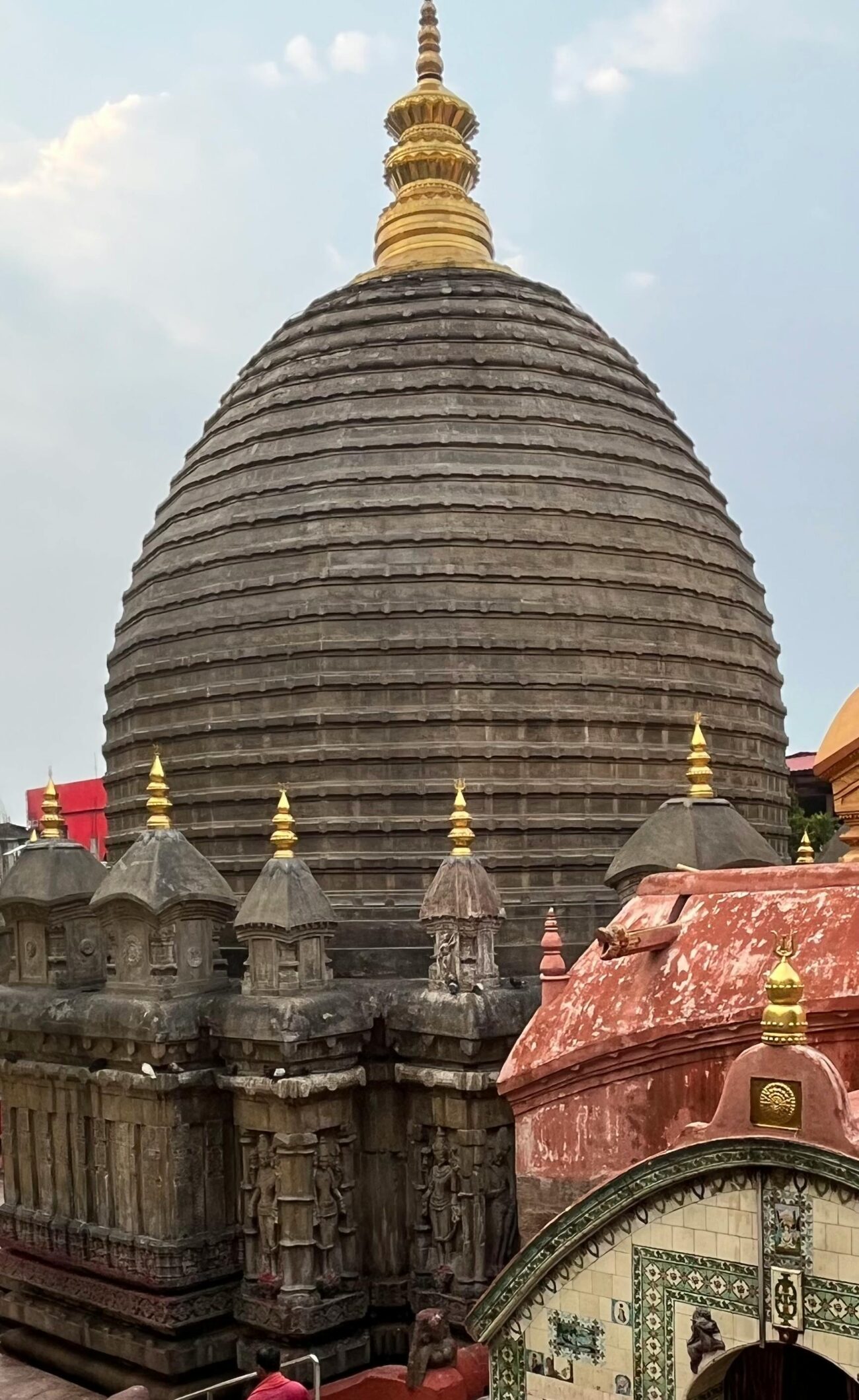
Perched atop Nilachal Hill like a divine beacon of spiritual energy, Kamakhya Temple in Guwahati stands as one of India’s holiest Shakti Peeths, drawing millions of devotees to its sacred precincts in Assam’s cultural heart. Located at an altitude of 180 meters, this 8th-century temple, dedicated to Goddess Kamakhya, is renowned for its Tantric worship and the annual Ambubachi Mela. A spiritual haven akin to the natural splendor of Kaziranga National Park, Kamakhya captivates with its mystical aura and vibrant rituals. For visitors to indiatourisminfo.com, Kamakhya Temple offers an immersive journey, whether you’re offering prayers, attending festivals, or exploring Assam’s cultural tapestry. This sacred site, steeped in mythology and tradition, is an unmissable destination for spiritual seekers, culture enthusiasts, and travelers seeking Assam’s divine legacy.
Key Attractions
Kamakhya Temple: An 8th-century Shakti Peeth with a beehive-shaped dome, housing the sacred yoni shrine of Goddess Kamakhya.
Nilachal Hill: A scenic hill offering panoramic views of Guwahati and the Brahmaputra River.
Bhairavi Temple: A nearby shrine dedicated to Goddess Bhairavi, part of the Kamakhya complex.
Bagala Temple: A smaller temple within the complex, revered for its Tantric significance.
Kamakhya Museum: A repository of ancient artifacts, sculptures, and Tantric relics near the temple.
Ambubachi Mela Grounds: The site of the annual festival celebrating the goddess’s menstruation cycle, drawing global pilgrims.
Brahmaputra River Viewpoint: A scenic spot near the hill, ideal for sunset views and photography.
Things to Do
Offer Prayers at Kamakhya Temple: Participate in daily rituals or special pujas to seek blessings from Goddess Kamakhya.
Attend Ambubachi Mela: Join the vibrant festival with Tantric rituals and cultural events (June 22–26, 2026, tentative).
Explore Nilachal Hill: Trek to the hilltop for panoramic views of Guwahati and the Brahmaputra River.
Visit Bhairavi and Bagala Temples: Discover the spiritual significance of these smaller shrines within the complex.
Tour Kamakhya Museum: View ancient Tantric artifacts and sculptures for historical insights.
Photography: Capture the temple’s architecture and Brahmaputra River views, especially at sunrise or sunset.
Celebrate Durga Puja: Join festive processions and rituals in Guwahati (October 2025, dates TBD).
Savor Local Cuisine: Relish masor tenga, pitha, or bamboo shoot curry at eateries like Gam’s Delicacy in Guwahati.
Local Culture and History
Kamakhya Temple, dating to the 8th century, is one of 51 Shakti Peeths, believed to house the yoni of Goddess Sati, as per Hindu mythology. Rebuilt in the 16th century by the Koch dynasty, its Nagara-style architecture and Tantric rituals reflect Assam’s spiritual heritage. The temple’s Ambubachi Mela, celebrating the goddess’s menstruation, is a unique Tantric festival, drawing global devotees and sadhus. Guwahati’s Assamese culture thrives with Bihu dances, handwoven mekhela chador, and cuisine like xutuli snacks, echoing Surajkund’s artisanal vibe. Festivals like Durga Puja and Bohag Bihu (April) feature vibrant husori performances and rice-based delicacies. Recent initiatives, like Assam Tourism’s promotion of eco-friendly festivals, enhance Kamakhya’s global appeal, blending tradition with sustainability.
Best Time to Visit
Kamakhya Temple is a year-round destination, with October to March (autumn and winter, 10–28°C) ideal for exploring the temple, Nilachal Hill, and Guwahati’s cultural sites due to pleasant weather. The Ambubachi Mela (June 22–26, 2026, tentative) draws pilgrims for spiritual events, despite warm weather (25–32°C). Durga Puja (October 2025, dates TBD) offers vibrant celebrations. April to June (summer, 25–35°C) suits early morning (6–9 AM) or evening visits (post-4 PM) to avoid heat; monsoon (July–September, 24–32°C) brings lush greenery but slippery paths; carry umbrellas and sturdy shoes. Book accommodations early for festival seasons (June, October) to secure spots in Guwahati.
How to Reach
By Air: The nearest airport is Lokpriya Gopinath Bordoloi International Airport (Guwahati, 20 km, ~40-minute drive), with flights from Delhi, Mumbai, and Kolkata. Taxis cost ~₹500–1000.
By Train: Guwahati Railway Station (10 km, ~20-minute drive) is a major hub with trains from Delhi, Kolkata, and Bangalore. Taxis or auto-rickshaws cost ~₹100–300.
By Road: Kamakhya Temple is accessible via NH27 from Guwahati city center (10 km, 20 minutes) or Jorhat (300 km, 6 hours). Assam STC buses, private taxis (~₹300–600 from Guwahati), or shared autos (~₹50–100) reach the temple base. Self-driven cars have parking near Nilachal Hill.
Local Transport: From Guwahati, hire taxis (~₹300–600), auto-rickshaws (~₹100–200), or e-rickshaws (~₹50–100); local buses (~₹10–30) connect to Kamakhya Junction.
Travel Tips
Booking: No entry fee for Kamakhya Temple; book VIP darshan (~₹500–1000) or festival passes in advance via assamtourism.gov.in; reserve accommodations early for Ambubachi Mela.
Cost: Puja offerings ~₹100–500; food at eateries ~₹50–200; taxi from Guwahati ~₹300–600 (as of 2023; verify 2025 rates).
Dress: Wear modest clothing (cover shoulders and knees); carry scarves for temple entry; sturdy shoes for hill paths; umbrellas for monsoon visits.
Safety: Secure valuables in crowded festival areas; follow priest instructions during rituals; avoid slippery hill paths during rains.
Respect Local Culture: Maintain silence during pujas; seek permission for photography inside the temple; support artisans at Panbazar for mekhela chador.
Connectivity: Mobile networks are reliable in Guwahati; Wi-Fi is available at hotels; carry cash for small vendors and autos.
Environment: Avoid littering to preserve sacred sites; use designated bins; support eco-friendly vendors.
Accessibility: The temple involves steep steps; inform staff for mobility assistance; wheelchair ramps are limited.
Nearby Attractions
Umananda Temple (12 km): A 17th-century Shiva temple on Peacock Island in the Brahmaputra River.
Assam State Museum (8 km): A museum showcasing Assamese artifacts and tribal heritage.
Kaziranga National Park (220 km): A UNESCO site famous for one-horned rhinos and safaris.
Pobitora Wildlife Sanctuary (40 km): A mini-reserve with dense rhino populations and birdwatching.
Navagraha Temple (10 km): A hilltop temple dedicated to nine planetary deities, ideal for stargazing.
Explore More
Discover other Assam treasures like the wild Kaziranga National Park or cultural Majuli Island on our Assam destinations page. Plan your spiritual and cultural journey with indiatourisminfo.com today!