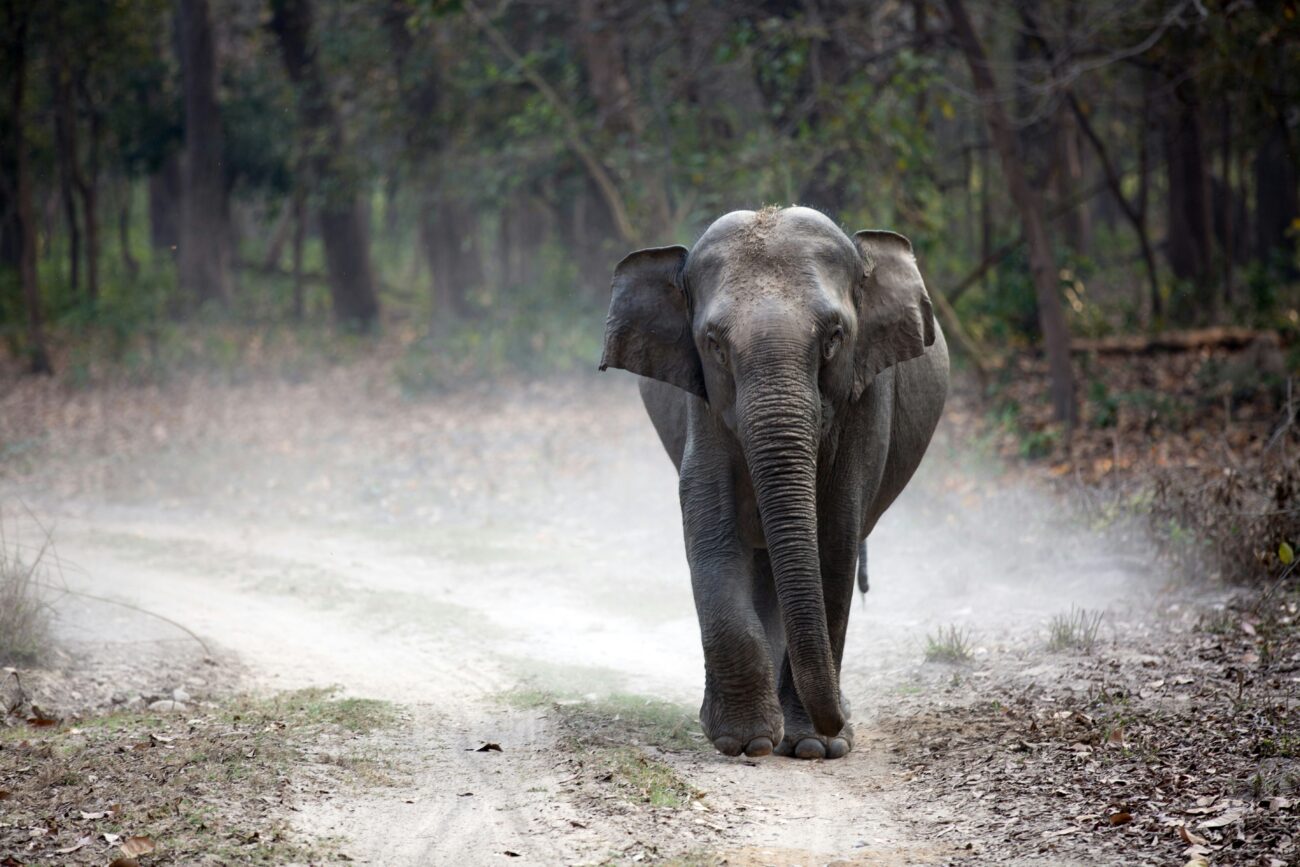
Hidden in the verdant foothills of the Himalayas in Uttarakhand, Jim Corbett National Park beckons as India’s oldest and most iconic wildlife sanctuary, a haven for nature lovers and adventure seekers. Established in 1936 and sprawling across 520 square kilometers, this biodiverse reserve, named after legendary hunter-turned-conservationist Jim Corbett, is renowned for its majestic Bengal tigers, elephants, and over 600 bird species. Nestled along the Ramganga River, the park’s dense forests, grasslands, and rugged terrain offer thrilling safaris and serene landscapes. As a pioneer of Project Tiger, Corbett blends conservation with eco-tourism, drawing visitors to zones like Dhikala and Bijrani. For those exploring indiatourisminfo.com, Jim Corbett promises an unforgettable wilderness experience, whether you’re spotting wildlife, trekking through jungles, or soaking in the Himalayan tranquility. This untamed paradise, close to spiritual hubs like Haridwar, is a must-visit for those craving a deep connection with nature in North India.
Key Attractions
Dhikala Zone: The park’s core area, famous for tiger sightings, elephant herds, and scenic grasslands near the Ramganga River.
Bijrani Zone: A popular safari zone with dense forests, rich biodiversity, and high chances of spotting leopards and deer.
Jhirna Zone: An open year-round zone known for its sloth bears, wild boars, and birdwatching opportunities.
Ramganga River: A lifeline of the park, offering scenic views and a habitat for crocodiles and otters.
Corbett Waterfall: A picturesque 20-meter waterfall, ideal for picnics and nature walks, 25 km from Ramnagar.
Garjiya Devi Temple: A sacred riverside temple near the Kosi River, revered by locals and visitors.
Corbett Museum: A historic museum in Kaladhungi showcasing Jim Corbett’s life, books, and conservation legacy.
Things to Do
Jungle Safari: Embark on jeep or canter safaris in Dhikala, Bijrani, or Jhirna zones to spot tigers, elephants, and birds.
Birdwatching: Observe over 600 species, including the great hornbill and fishing eagle, especially in Sitabani or Jhirna.
Trekking: Explore guided nature trails near Corbett Waterfall or Sitabani for jungle immersion.
Visit Corbett Waterfall: Enjoy a refreshing dip or picnic by this scenic cascade, perfect for families.
Photography: Capture wildlife, river sunsets, and lush forests, especially during early morning safaris.
Explore Corbett Museum: Learn about Jim Corbett’s life and conservation efforts at this Kaladhungi heritage site.
River Rafting (Seasonal): Try gentle rafting on the Kosi River (October–June) for adventure and views.
Visit Garjiya Devi Temple: Seek blessings at this spiritual site, bustling during festivals like Navratri.
Local Culture and History
Jim Corbett National Park’s history is tied to its founding in 1936 as Hailey National Park, renamed in honor of Jim Corbett, a British hunter who became a conservationist and authored Man-Eaters of Kumaon. Established to protect the Bengal tiger, it became India’s first Project Tiger reserve in 1973, symbolizing wildlife conservation. The local Kumaoni and Garhwali cultures thrive in nearby villages, with residents known for their warm hospitality and traditional dances like Jhoda. Local cuisine, including bhaang ki chutney, kumaoni raita, and singodi (a sweet), is served at resorts and dhabas. Handicrafts like wooden carvings and woolen shawls are sold in Ramnagar’s markets. The park’s conservation efforts involve local communities, fostering eco-tourism and awareness. Festivals like Diwali and Holi bring vibrant celebrations to nearby towns, while Garjiya Devi Temple hosts lively fairs during Navratri, offering a glimpse into Uttarakhand’s cultural richness.
Best Time to Visit
Jim Corbett National Park is best visited from November to June, when most zones are open, and wildlife sightings are frequent. November to February (winter, 5–20°C) offers cool weather, clear skies, and excellent birdwatching, though mornings are chilly. March to June (spring and summer, 15–35°C) is ideal for tiger sightings, as animals gather near waterholes, but summer can be hot; early morning safaris are recommended. The monsoon (July–October) closes core zones like Dhikala and Bijrani due to heavy rain and flooding, though Jhirna and Sitabani remain accessible. Early mornings (6–10 AM) provide the best light for photography and wildlife activity, while afternoon safaris (2–6 PM) offer scenic sunsets. Book safaris well in advance for peak seasons (December–April), especially for Dhikala’s forest rest houses, to ensure availability.
How to Reach
By Air: The nearest airport is Pantnagar Airport (80 km away, ~2-hour drive), with flights from Delhi. Alternatively, fly to Jolly Grant Airport (Dehradun, 170 km, ~4–5-hour drive). Taxis from Pantnagar cost ~₹2000–3000; from Dehradun ~₹4000–6000.
By Train: The nearest railway station is Ramnagar (5 km, ~15-minute drive), with trains from Delhi, Moradabad, and Lucknow. Taxis or auto-rickshaws from Ramnagar cost ~₹100–300. Moradabad (80 km, ~2 hours) is another option.
By Road: Jim Corbett is accessible via NH9 from Delhi (250 km, 5–6 hours) or Moradabad (80 km, 2 hours). HRTC buses, private taxis (~₹4000–6000 from Delhi), or shared cabs (~₹500–800 from Moradabad) are available. Ramnagar is the park’s gateway.
Local Transport: In Ramnagar, hire taxis (~₹500–1000) or auto-rickshaws (~₹50–200) for park entry points; safari jeeps (~₹4000–6000) or canters (~₹1500/person) are booked through park offices or resorts.
Travel Tips
Booking: Reserve safaris and forest rest houses online via the official Corbett website or authorized agents, especially for Dhikala (book 45–90 days in advance).
Cost: Jeep safari ~₹4000–6000 (6 people); canter safari ~₹1500/person; Corbett Waterfall entry is free (as of 2023; verify current rates).
Dress: Pack neutral-colored clothing (greens, browns) for safaris; warm layers for winter mornings; comfortable shoes for trekking.
Safety: Follow safari guide instructions; maintain distance from wildlife; avoid flash photography during safaris.
Permits: Safari permits are mandatory, included in bookings; carry ID (Aadhaar/Passport) for verification.
Connectivity: Mobile networks are reliable in Ramnagar; patchy in core zones; Wi-Fi is available at resorts; carry cash for local vendors.
Environment: Avoid littering to protect the park’s ecosystem; use designated bins; do not feed wildlife.
Respect Local Culture: Dress modestly at Garjiya Devi Temple; seek permission before photographing locals or rituals.
Nearby Attractions
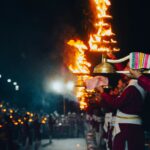
Rishikesh (100 km): A spiritual hub with Ganga Aarti, yoga ashrams, and river rafting, a serene complement to Corbett’s wilderness.
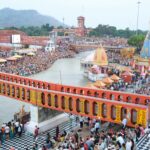
Haridwar (120 km): A holy city with Har Ki Pauri Ghat and Ganga Aarti, ideal for spiritual exploration.
Nainital (65 km): A hill station with Naini Lake, Bhimtal, and snow-capped views, perfect for families.
Ranikhet (80 km): A serene hill station with golf courses, temples, and Himalayan vistas.
Sitabani Temple (20 km): A forest reserve outside Corbett with a temple and birdwatching trails.
Explore More
Discover other Uttarakhand treasures like the spiritual Haridwar or the charming Mussoorie on our Uttarakhand destinations page. Plan your adventure with indiatourisminfo.com today!