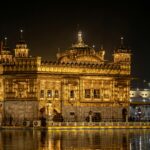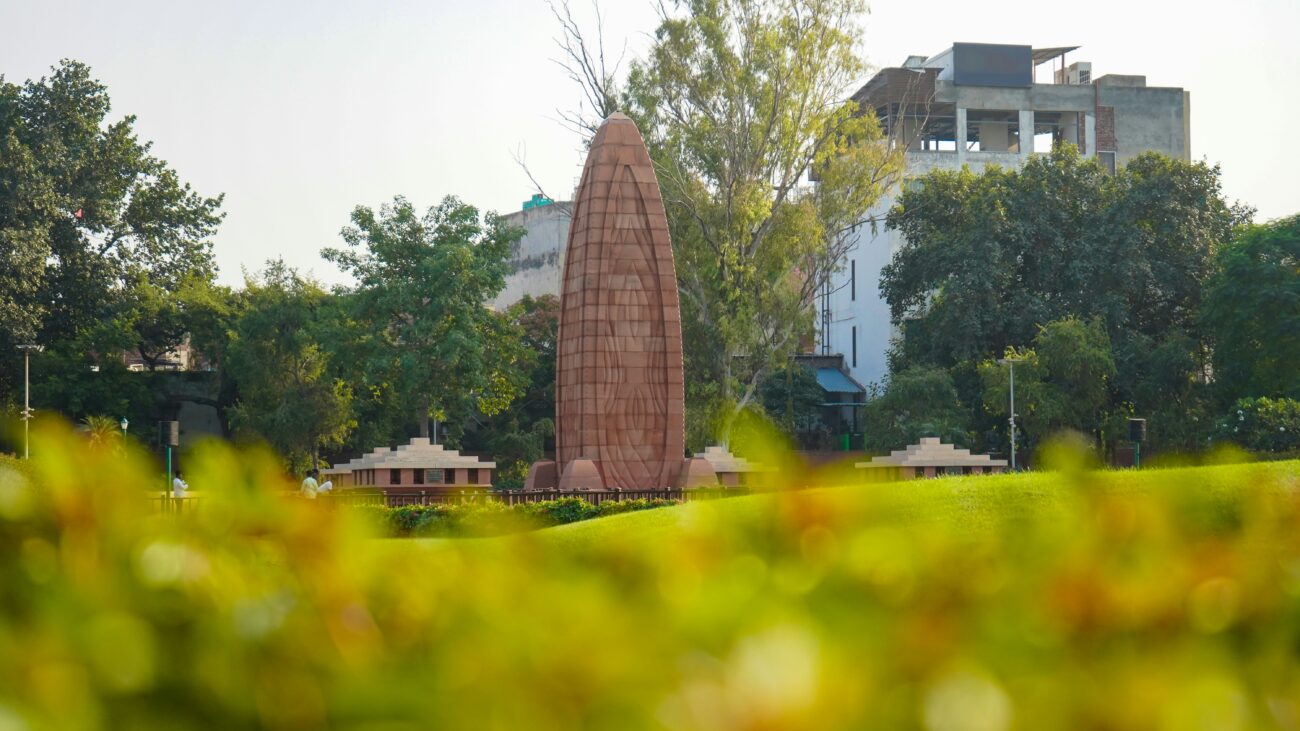
Standing solemnly in the bustling heart of Amritsar, Jallianwala Bagh is a hallowed site that echoes the sacrifices of India’s freedom struggle, a poignant reminder of resilience and unity. Located just steps from the Golden Temple, this historic garden, spanning 7 acres, marks the tragic massacre of April 13, 1919, when British troops fired on unarmed civilians, shaping India’s fight for independence. Today, its serene lawns, bullet-marked walls, and eternal flame draw visitors seeking to honor history and reflect on its lessons. The site’s museum and memorials offer a deep dive into the events that galvanized a nation. For visitors to indiatourisminfo.com, Jallianwala Bagh offers a moving experience, blending historical reflection with the vibrant culture of Punjab. This iconic landmark, set against Amritsar’s spiritual and cultural backdrop, is an unmissable destination in North India for those seeking to connect with India’s past and its enduring spirit.
Key Attractions
Martyrs’ Well: A preserved well where many victims jumped to escape the 1919 massacre, a somber historical relic.
Bullet-Marked Walls: Original walls bearing bullet holes from the tragic event, symbolizing the brutality of colonial rule.
Amar Jyoti (Eternal Flame): A perpetual flame honoring the martyrs, a focal point for reflection.
Jallianwala Bagh Memorial: A central monument commemorating the lives lost, surrounded by manicured gardens.
Museum and Gallery: A museum showcasing photographs, documents, and artifacts from the massacre and freedom struggle.
Shaheed Gallery: A display of portraits and stories of the martyrs, offering historical insights.
Garden Pathways: Serene walkways lined with trees and plaques, narrating the site’s history.
Things to Do
Visit the Martyrs’ Well: Reflect at this poignant site and learn about the tragic events of 1919.
Explore Bullet-Marked Walls: Observe the preserved walls and plaques detailing the massacre’s impact.
Pay Respects at Amar Jyoti: Light a candle or offer flowers at the eternal flame to honor the martyrs.
Tour the Museum: View exhibits on the massacre, including letters, newspapers, and freedom struggle artifacts.
Photography: Capture the memorial, gardens, and bullet-marked walls, especially in soft morning light.
Walk the Garden Pathways: Stroll through the serene gardens, reading historical plaques for context.
Attend Commemorative Events: Join annual ceremonies on April 13 (Baisakhi) to honor the martyrs with prayers and tributes.
Learn at Shaheed Gallery: Study the stories of victims and freedom fighters for a deeper historical connection.
Local Culture and History
Jallianwala Bagh’s history is etched in the tragic events of April 13, 1919, when British General Reginald Dyer ordered troops to fire on a peaceful gathering of thousands, protesting the Rowlatt Act, resulting in hundreds of deaths and injuries. This massacre sparked nationwide outrage, galvanizing India’s independence movement and inspiring figures like Mahatma Gandhi. The site, once a public garden, was transformed into a memorial post-independence, with the eternal flame and museum added to preserve its legacy. Amritsar’s Punjabi culture thrives around it, with locals known for their warmth, bhangra dances, and vibrant markets selling phulkari embroidery and juttis. Nearby dhabas serve Punjabi staples like dal makhani, sarson da saag, and lassi. Festivals like Baisakhi (April) and Independence Day (August 15) see gatherings at the Bagh, with prayers and cultural performances, offering visitors a blend of historical reflection and Punjab’s lively traditions.
Best Time to Visit
Jallianwala Bagh is open year-round, with the best visiting months being October to March (autumn and winter, 5–25°C), offering cool weather ideal for exploring the gardens and nearby Amritsar sites like the Golden Temple. April to June (spring and summer, 20–40°C) is suitable for early morning or late afternoon visits to avoid heat; the site’s shaded areas provide relief. The monsoon (July–September) brings moderate rain, making pathways slippery, but the gardens look lush; carry umbrellas. Early mornings (7–9 AM) offer a peaceful ambiance for reflection, while evenings (4–6 PM) are vibrant with nearby market activity. Plan around Baisakhi (April 13) for commemorative events, but expect crowds; book accommodations early during festivals or peak seasons (October–March).
How to Reach
By Air: The nearest airport is Sri Guru Ram Dass Jee International Airport (Amritsar, 12 km away, ~20-minute drive), with flights from Delhi, Mumbai, and Bengaluru. Taxis from the airport cost ~₹500–1000.
By Train: Amritsar Junction (2 km from Jallianwala Bagh, ~10-minute drive) is well-connected to Delhi, Mumbai, Kolkata, and Chandigarh. Auto-rickshaws or taxis from the station cost ~₹100–300.
By Road: Amritsar is accessible via NH3 from Delhi (450 km, 8–10 hours) or Chandigarh (230 km, 4–5 hours). HRTC buses, private taxis (~₹6000–8000 from Delhi), or shared cabs (~₹500–1000 from Chandigarh) are available. Self-driven cars are common.
Local Transport: Jallianwala Bagh is a short walk from the Golden Temple; hire auto-rickshaws (~₹50–150) or cycle rickshaws (~₹20–50) for nearby sites; taxis (~₹200–500) are available for farther attractions.
Travel Tips
Booking: Reserve hotels in advance during peak seasons (October–March) or festivals like Baisakhi, especially near the Golden Temple.
Cost: Entry to Jallianwala Bagh is free; donations are voluntary (as of 2023; verify current rates).
Dress: Wear comfortable, modest clothing; carry a hat or umbrella for sun or rain; walking shoes are ideal for garden paths.
Safety: Stay aware of belongings in crowded areas; follow posted guidelines; avoid visiting during peak festival crowds if mobility is a concern.
Respect Local Culture: Maintain silence in memorial areas; seek permission before photographing ceremonies or visitors; avoid eating inside the garden.
Connectivity: Mobile networks are reliable; Wi-Fi is available at nearby cafes; carry cash for small vendors and rickshaws.
Environment: Avoid littering to preserve the site’s sanctity; use designated bins.
Accessibility: The garden is wheelchair-accessible; ramps are available at the entrance and museum.
Nearby Attractions
Golden Temple (0.5 km): The holiest Sikh shrine with its golden dome, Amrit Sarovar, and langar, a spiritual must-visit.
Wagah Border (30 km): The India-Pakistan border famous for its vibrant Beating Retreat Ceremony.
Durgiana Temple (2 km): A Hindu temple resembling the Golden Temple, dedicated to Goddess Durga.
Partition Museum (1 km): A museum in Amritsar’s Town Hall chronicling the 1947 India-Pakistan partition.
Gobindgarh Fort (3 km): A historic fort with museums, cultural shows, and light-and-sound performances.
Explore More
Discover other Punjab treasures like the spiritual Golden Temple or the historic Anandpur Sahib on our Punjab destinations page.26). Plan your journey through history with indiatourisminfo.com today!