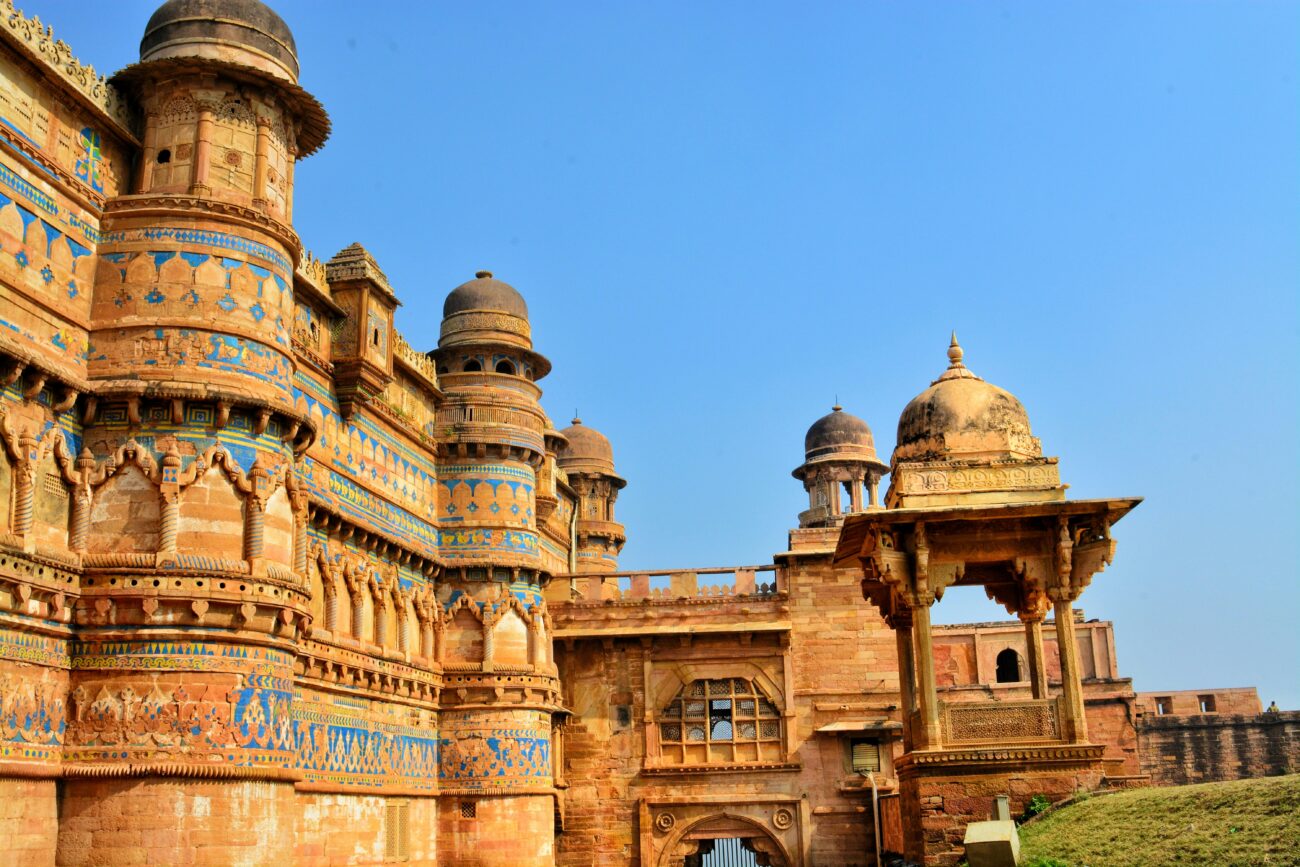
Perched atop a rocky hill like a crown of Madhya Pradesh’s storied past, Gwalior Fort stands as a magnificent testament to India’s architectural and historical grandeur, commanding breathtaking views over the city of Gwalior. Located at an altitude of 100 meters, this 8th-century fortress, sprawling across 3 square kilometers, is renowned for its vibrant palaces, ancient temples, and intricate carvings. A historical marvel akin to the spiritual serenity of Sanchi Stupa, Gwalior Fort captivates with its blend of Rajput, Mughal, and Jain influences. For visitors to indiatourisminfo.com, Gwalior Fort offers an immersive journey, whether you’re exploring its opulent halls, attending cultural shows, or delving into Madhya Pradesh’s regal heritage. This iconic citadel, harmonizing history with vibrant traditions, is an unmissable destination for history buffs, culture enthusiasts, and travelers seeking India’s timeless legacy.
Key Attractions
Man Singh Palace: A 15th-century palace with vibrant blue tilework and intricate jali screens, built by Tomar ruler Man Singh.
Teli ka Mandir: A 9th-century temple blending Dravidian and North Indian architectural styles, dedicated to Vishnu.
Sas Bahu Temples: A pair of 11th-century Vaishnavite temples with ornate carvings, showcasing Chandela artistry.
Gujari Mahal: A 15th-century palace housing an archaeological museum with rare sculptures and artifacts.
Jain Rock Sculptures: 7th–15th-century Jain Tirthankara statues carved into the fort’s cliffs.
Light and Sound Show: An evening spectacle narrating Gwalior’s history and the fort’s legacy.
Suraj Kund: An ancient water tank linked to the fort’s mythological origins, offering serene views.
Things to Do
Explore Man Singh Palace: Admire the colorful tilework and jali screens in this architectural gem.
Visit Teli ka Mandir: Discover the unique blend of architectural styles and spiritual ambiance.
Tour Sas Bahu Temples: Marvel at the intricate carvings and serene temple complex.
Explore Gujari Mahal Museum: View Chandela and Jain artifacts, including rare sculptures.
Photograph Jain Sculptures: Capture the towering Tirthankara statues carved into the cliffs.
Attend Light and Sound Show: Experience Gwalior’s history through an evening multimedia presentation (check 2025 schedules).
Celebrate Diwali: Join festive celebrations with lights and cultural events in Gwalior city (October–November 2025, dates TBD).
Savor Local Cuisine: Relish kheer, poha, or bedai at local eateries like Bahadura Sweets.
Local Culture and History
Gwalior Fort, dating back to at least the 8th century, has been a stronghold for Tomar, Mughal, Maratha, and Scindia rulers, each leaving their mark on its architecture and legacy. Known as the “Gibraltar of India,” it was a key political and cultural center, with Man Singh’s palace reflecting the Tomar dynasty’s artistic peak. The fort’s Jain sculptures highlight its religious diversity, while the Scindia era added modern touches. Gwalior’s Bundelkhandi culture thrives with Hindustani classical music, pioneered by Tansen, and folk arts like Machhli dance, echoing Surajkund’s artisanal vibe. The Tansen Samaroh (December) and Diwali bring vibrant celebrations with music, lights, and local sweets like ladoo, akin to Khajuraho’s cultural allure. Gwalior Fort’s historical depth and Madhya Pradesh’s vibrant traditions offer a profound experience.
Best Time to Visit
Gwalior Fort is a year-round destination, with October to March (autumn and winter, 10–28°C) ideal for exploring palaces, temples, and the light and sound show, thanks to pleasant weather. The Tansen Samaroh (December 2025, dates TBD) draws music lovers for classical performances. April to June (summer, 25–42°C) suits early morning (7–10 AM) or evening visits (post-4 PM) to avoid heat; indoor areas like Gujari Mahal provide relief. The monsoon (July–September) brings lush greenery but slippery fort paths; carry umbrellas and sturdy shoes. Mornings offer serene exploration, while evenings suit the light and sound show. Book accommodations early for festival or peak seasons (October–March) to secure spots in Gwalior city.
How to Reach
By Air: The nearest airport is Gwalior Airport (10 km away, ~20-minute drive), with flights from Delhi, Mumbai, and Indore. Taxis from the airport cost ~₹300–600.
By Train: Gwalior Railway Station (3 km, ~10-minute drive) is a major hub with trains from Delhi, Agra, and Bhopal. Taxis or auto-rickshaws from the station cost ~₹50–150.
By Road: Gwalior is accessible via NH44 from Agra (120 km, 2.5 hours) or Bhopal (420 km, 8 hours). MPRTC buses, private taxis (~₹2000–3500 from Agra), or shared cabs (~₹200–400) reach Gwalior. Self-driven cars have parking near the fort’s Urwahi Gate.
Local Transport: From Gwalior city, hire taxis (~₹100–300), auto-rickshaws (~₹50–150), or cycles (~₹50–100/day); local buses (~₹10–30) connect to the fort’s base.
Travel Tips
Booking: Purchase fort entry tickets at the Urwahi Gate counter; book light and sound show tickets in advance; reserve accommodations for festivals like Tansen Samaroh.
Cost: Fort entry ~₹75 for Indians, ₹250 for foreigners; light and sound show ~₹100–300; museum entry ~₹20–100 (as of 2023; verify 2025 rates).
Dress: Wear comfortable clothing and sturdy shoes for steep fort paths; carry hats or umbrellas for sun or rain; modest attire for temples.
Safety: Secure valuables in crowded areas; follow guide instructions; avoid touching carvings; be cautious on uneven fort steps.
Respect Local Culture: Maintain silence in temple areas; seek permission for photography during rituals; support local artisans at Lashkar Market.
Connectivity: Mobile networks are reliable in Gwalior; Wi-Fi is available at hotels and cafes; carry cash for small vendors and autos.
Environment: Avoid littering to preserve heritage sites; use designated bins; support eco-friendly vendors.
Accessibility: Main fort areas are accessible via steps; some paths are steep; inform staff for mobility assistance.
Nearby Attractions
Jai Vilas Palace (5 km): A Scindia-era palace with a museum showcasing royal artifacts.
Tansen Tomb (4 km): A memorial to the legendary musician Tansen, hosting the Tansen Samaroh.
Sun Temple (6 km): A modern temple inspired by Konark, with vibrant architecture.
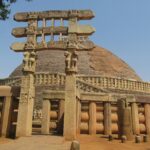
Sanchi Stupa (400 km): A UNESCO World Heritage site with ancient Buddhist stupas.
Orchha (120 km): A historic town with Mughal-era palaces and temples.
Explore More
Discover other Madhya Pradesh treasures like the spiritual Sanchi Stupa or wild Bandhavgarh National Park on our Madhya Pradesh destinations page. Plan your historical and cultural journey with indiatourisminfo.com today!