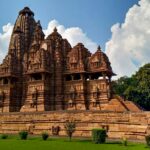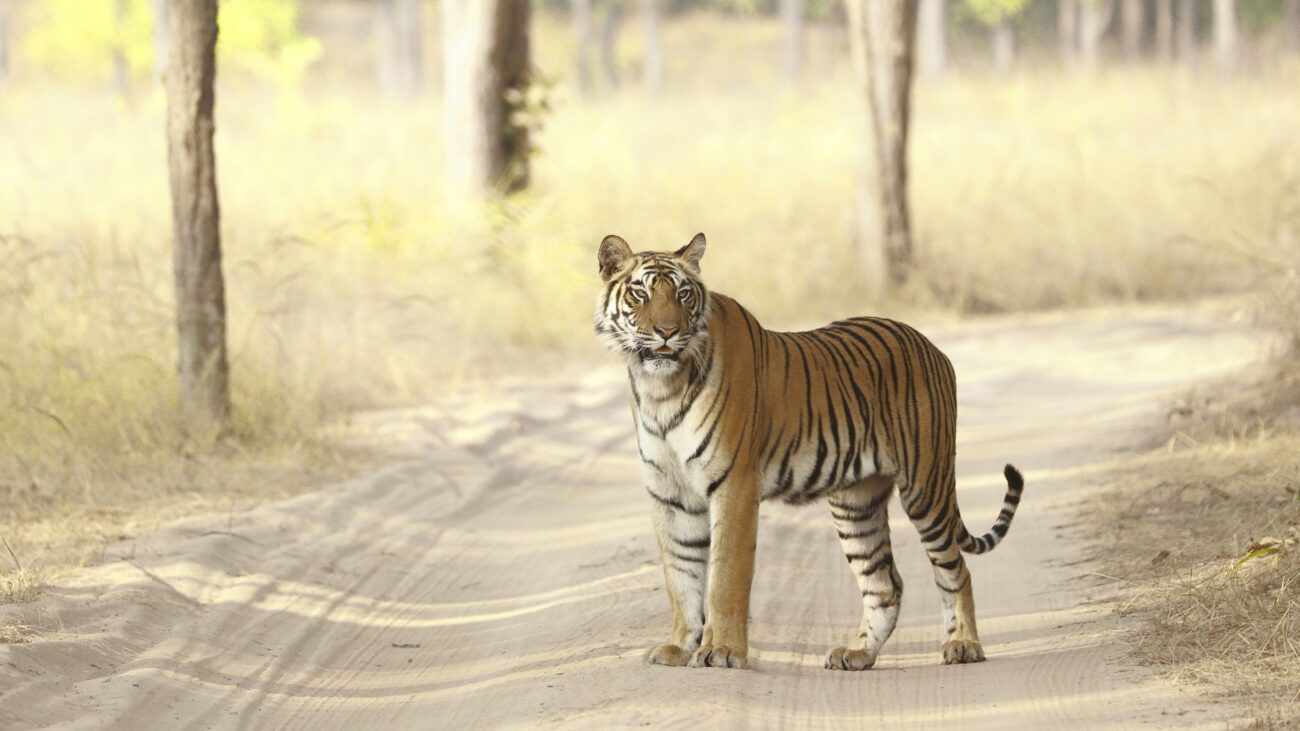
Nestled in the heart of Madhya Pradesh like a vibrant tapestry of wilderness, Bandhavgarh National Park emerges as one of India’s premier tiger reserves, renowned for its dense forests, ancient fort, and thriving biodiversity. Located at an altitude of 800 meters in the Umaria district, this 1,536-sq-km park, established in 1968, boasts the highest tiger density in India, offering unparalleled wildlife encounters. A natural marvel akin to the architectural grandeur of Khajuraho, Bandhavgarh captivates with its rugged landscapes and rich history. For visitors to indiatourisminfo.com, Bandhavgarh promises an immersive adventure, whether you’re tracking tigers on a safari, exploring the historic fort, or soaking in Madhya Pradesh’s rustic charm. This wildlife sanctuary, blending nature’s splendor with cultural heritage, is an unmissable destination for wildlife enthusiasts, adventure seekers, and travelers seeking an authentic Indian safari experience.
Key Attractions
Tiger Sightings: Home to over 50 tigers, offering high chances of spotting these majestic predators.
Bandhavgarh Fort: A 2,000-year-old hilltop fort with ancient caves, temples, and panoramic views.
Tala Zone: The core safari zone, known for frequent tiger sightings and scenic meadows.
Magdhi Zone: A popular zone with diverse wildlife, including leopards and sloth bears.
Shesh Shaiya: A 10th-century reclining Vishnu statue near a natural pool, steeped in mythology.
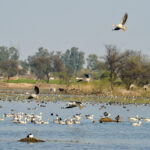
Bamera Dam: A serene waterbody attracting wildlife, ideal for birdwatching.
Interpretation Centre: A museum showcasing Bandhavgarh’s flora, fauna, and conservation efforts.
Things to Do
Jeep Safari: Embark on a thrilling jeep safari in Tala or Magdhi zones to spot tigers, leopards, and deer.
Visit Bandhavgarh Fort: Explore the ancient fort, its caves, and temples with a guide.
Birdwatching at Bamera Dam: Observe over 250 bird species, including hornbills and kingfishers.
Explore Shesh Shaiya: Marvel at the reclining Vishnu statue and its serene surroundings.
Photography: Capture tigers, landscapes, or fort ruins during early morning or evening safaris.
Tour Interpretation Centre: Learn about Bandhavgarh’s wildlife and conservation initiatives.
Celebrate Diwali: Join local festivities in nearby villages or Tala with lights and sweets (October–November 2025, dates TBD).
Savor Local Cuisine: Relish bhutte ka kees, bafla, or jalebi at local eateries or resort restaurants.
Local Culture and History
Bandhavgarh, named after its hilltop fort (“Bandhav” meaning brother, “Garh” meaning fort), traces its history to the 1st century BCE, linked to the Ramayana as the fort gifted by Lord Rama to Lakshmana. The region flourished under the Baghela dynasty, with the fort serving as a strategic stronghold. Declared a national park in 1968 and a tiger reserve in 1993, Bandhavgarh is a conservation success story, protecting tigers, leopards, and rare species like the Indian wolf. The local Bundelkhandi culture thrives with folk arts like Badhaiya dance, Gond paintings, and cuisine such as dal bafla and kusli, echoing Surajkund’s artisanal vibe. Festivals like Diwali and Tij bring vibrant celebrations with tribal dances and local sweets, akin to Khajuraho’s cultural allure. Bandhavgarh’s blend of wildlife and historical richness offers a unique experience.
Best Time to Visit
Bandhavgarh National Park is open from October to June, with November to March (winter, 8–28°C) ideal for safaris, birdwatching, and fort exploration, thanks to cool weather and clear skies. October–November 2025 will be vibrant with Diwali celebrations in nearby villages. February to March offers prime tiger sightings due to sparse vegetation. April to June (summer, 25–42°C) is excellent for wildlife sightings as animals gather near waterbodies; book early morning (5:30–9:30 AM) or evening safaris (3–6 PM) to avoid heat. The park closes during the monsoon (July–September) due to heavy rain and impassable trails. Book safari permits and accommodations early for peak seasons (November–March) to secure spots in Tala or Umaria.
How to Reach
By Air: The nearest airport is Jabalpur Airport (170 km away, ~4-hour drive), with flights from Delhi, Mumbai, and Bhopal. Taxis from the airport cost ~₹3000–5000.
By Train: The nearest railway station is Umaria (35 km, ~1-hour drive), with trains from Delhi, Jabalpur, and Varanasi. Taxis or auto-rickshaws from Umaria cost ~₹500–1000. Katni Station (100 km, ~2.5-hour drive) is another option for broader connectivity.
By Road: Bandhavgarh is accessible via NH43 from Jabalpur (170 km, 4 hours) or Satna (120 km, 3 hours). MPRTC buses, private taxis (~₹3000–5000 from Jabalpur), or shared cabs (~₹300–500) reach Tala, the park’s entry point. Self-driven cars have parking near the Tala gate.
Local Transport: From Tala, book jeep safaris (~₹2500–4000/jeep, max 6 people) through the forest department or resorts; cycles (~₹100–200/day) are available for nearby villages.
Travel Tips
Booking: Book safari permits online via Madhya Pradesh Tourism’s portal (forest.mp.gov.in) at least 90 days in advance; reserve accommodations early for peak seasons.
Cost: Jeep safari ~₹2500–4000/jeep; park entry ~₹1500–2000/jeep; guide fee ~₹500 (as of 2023; verify 2025 rates).
Dress: Wear neutral-colored clothing (khaki, green) for safaris; carry hats, sunglasses, or jackets for early morning chills; sturdy shoes for fort treks.
Safety: Follow guide instructions during safaris; maintain distance from wildlife; avoid loud noises; secure valuables in crowded areas.
Respect Local Culture: Seek permission for photography in villages; respect temple sanctity at Bandhavgarh Fort; support local artisans.
Connectivity: Mobile networks are reliable in Tala; Wi-Fi is available at resorts; carry cash for small vendors and autos.
Environment: Avoid littering to protect the ecosystem; use designated bins; follow park rules to preserve wildlife habitats.
Accessibility: Safari jeeps are accessible; fort treks have steep paths; inform guides for mobility assistance.
Nearby Attractions
Panna National Park (210 km): Another tiger reserve with safaris and scenic waterfalls.
Khajuraho (230 km): UNESCO World Heritage temples with intricate Chandela carvings.
Raneh Falls (210 km): A dramatic granite canyon with seasonal waterfalls.
Jabalpur (170 km): Home to Dhuandhar Falls and Marble Rocks at Bhedaghat.
Maihar (100 km): A spiritual town with the Sharda Devi Temple on Trikuta Hill.
Explore More
Discover other Madhya Pradesh treasures like the historic Khajuraho or scenic Raneh Falls on our Madhya Pradesh destinations page. Plan your wildlife and cultural journey with indiatourisminfo.com today!