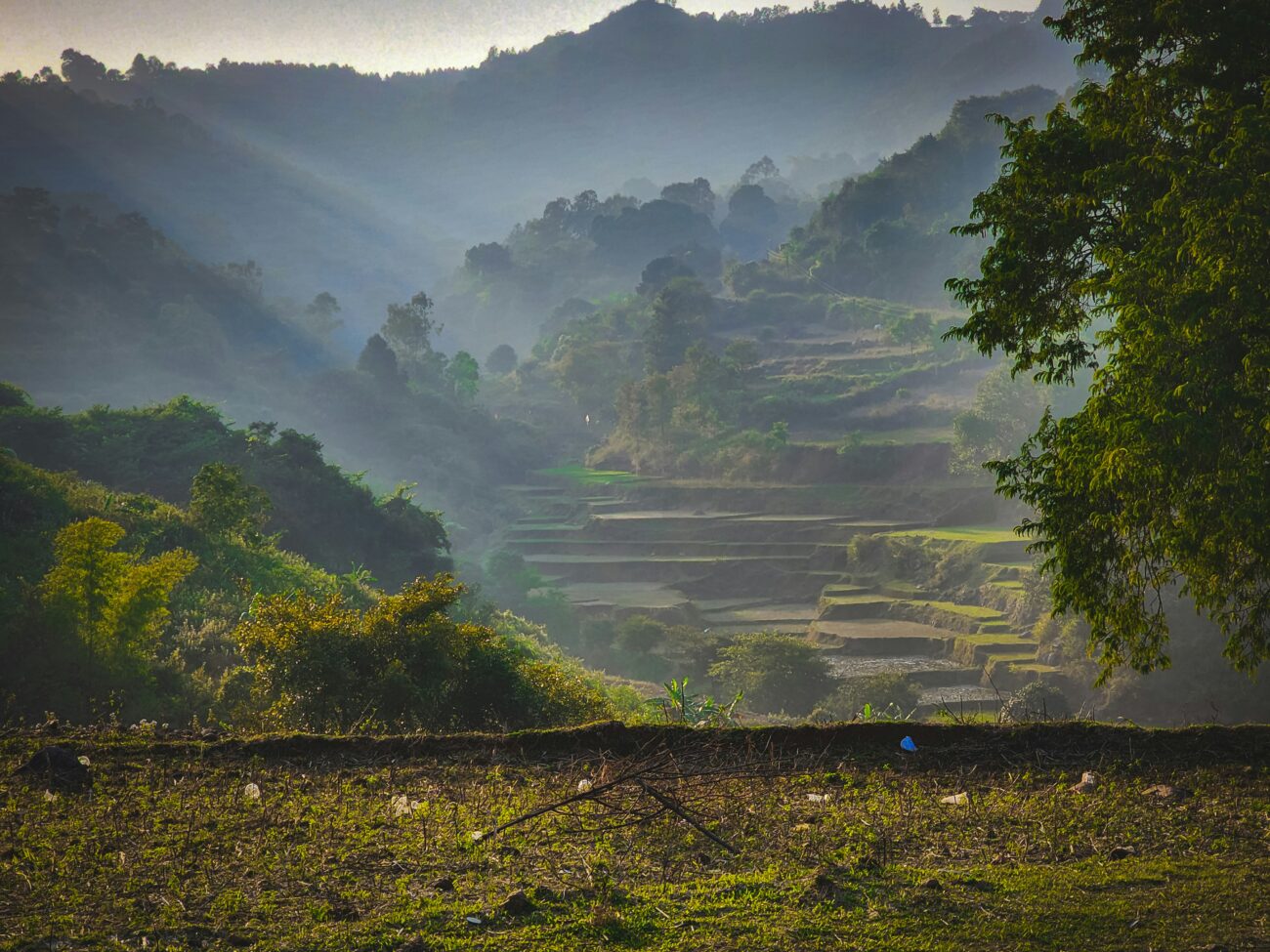
Tucked away in the Eastern Ghats like a verdant emerald, Araku Valley in Visakhapatnam district enchants with its rolling hills, coffee plantations, and vibrant tribal heritage. Located in Andhra Pradesh at an altitude of 900–1300 meters, this serene hill station, 120 km from Visakhapatnam, is renowned for its misty landscapes, cascading waterfalls, and indigenous tribal communities. A natural retreat akin to the spiritual allure of Tirupati, Araku offers a refreshing escape with its cool climate and cultural richness. For visitors to indiatourisminfo.com, Araku Valley promises an unforgettable journey, whether you’re trekking through forests, exploring tribal museums, or savoring organic coffee. This scenic destination, blending natural splendor with Andhra’s tribal traditions, is an unmissable gem in South India for nature lovers, adventure seekers, and cultural explorers seeking an offbeat getaway.
Key Attractions
Borra Caves: Ancient limestone caves with dramatic stalactites and stalagmites, illuminated for a surreal experience.
Katiki Waterfalls: A 50-meter cascading waterfall amidst lush greenery, ideal for nature lovers.
Tribal Museum: A cultural hub showcasing the lifestyle, artifacts, and traditions of Araku’s indigenous tribes.
Padmapuram Gardens: A botanical garden with vibrant flora, a toy train, and tree-top cottages.
Coffee Plantations: Sprawling estates offering tours and insights into Araku’s organic coffee production.
Galikonda Viewpoint: A scenic spot offering panoramic views of the valley’s hills and forests.
Ananthagiri Hills: A lush area with trekking trails and coffee estates, near Araku Valley.
Things to Do
Explore Borra Caves: Wander through the million-year-old caves, marveling at their natural formations and lighting.
Visit Katiki Waterfalls: Trek to the falls for a refreshing dip or picnic amidst scenic surroundings.
Tour the Tribal Museum: Learn about the tribal communities’ crafts, music, and traditions through exhibits.
Ride the Toy Train at Padmapuram: Enjoy a scenic ride through gardens, ideal for families and couples.
Trek in Ananthagiri Hills: Embark on guided treks through forests and coffee plantations, soaking in nature.
Photography: Capture the valley’s misty hills, waterfalls, and tribal markets, especially at sunrise or sunset.
Attend Araku Balloon Festival: Experience hot air balloon rides and cultural events (January 2025, dates TBD).
Taste Araku Coffee: Visit plantations or local cafes to savor organic coffee and buy beans as souvenirs.
Local Culture and History
Araku Valley is home to indigenous tribes like the Konda Dora, Bagata, and Valmiki, whose traditions date back centuries. Known for organic coffee cultivation since the 19th century, Araku’s coffee gained global fame through GI-tagged branding. The valley’s history is tied to its tribal roots, with Dhimsa dance and weekly markets showcasing local crafts like bamboo work and jewelry. Festivals like Itika Pongal and tribal fairs bring vibrant celebrations, with locals performing folk music and serving dishes like bamboo chicken, podi idli, and prawn curry. The valley’s culture, akin to Tirupati’s spiritual vibrancy, thrives in its simplicity, with artisans selling handmade goods, echoing Surajkund’s craft heritage. Araku’s blend of tribal traditions, colonial-era coffee legacy, and natural beauty offers visitors an authentic glimpse into Andhra’s rural heart.
Best Time to Visit
Araku Valley is a year-round destination, with October to March (autumn and winter, 10–25°C) ideal for trekking, sightseeing, and coffee plantation tours, thanks to cool, misty weather. January is vibrant with the Araku Balloon Festival (2025 dates TBD), drawing adventure enthusiasts. April to June (spring and summer, 20–35°C) is suitable for early morning (6–9 AM) or evening visits (post-4 PM) to avoid heat; shaded trails provide relief. The monsoon (July–September) brings lush greenery and gushing waterfalls but slippery paths; carry raincoats and sturdy shoes. Early mornings offer serene views and fewer crowds, while evenings are perfect for sunset photography. Book accommodations early for festival or peak seasons (October–March) to secure spots in Araku or Visakhapatnam.
How to Reach
By Air: The nearest airport is Visakhapatnam International Airport (120 km away, ~3.5-hour drive), with flights from Delhi, Hyderabad, and Chennai. Taxis from the airport cost ~₹2500–4000.
By Train: The nearest railway station is Araku (1 km from the valley, ~5-minute drive), with the scenic Kirandul Passenger train from Visakhapatnam (4 hours). Taxis or auto-rickshaws from Araku station cost ~₹50–150. Visakhapatnam Junction (120 km, ~3.5 hours) is another option.
By Road: Araku is accessible via NH16 and SH39 from Visakhapatnam (120 km, 3.5 hours) or Jagdalpur (110 km, 3 hours). APSRTC buses, private taxis (~₹2500–4000 from Visakhapatnam), or shared cabs (~₹200–500) are available. Self-driven cars have parking in Araku.
Local Transport: From Araku station, hire auto-rickshaws (~₹50–100) or taxis (~₹200–500); local jeeps (~₹100–300) connect to attractions like Katiki Waterfalls.
Travel Tips
Booking: Reserve accommodations and festival tickets (e.g., Araku Balloon Festival) via local operators or online platforms; book train tickets for the Kirandul Passenger in advance.
Cost: Borra Caves entry ~₹60 for adults; Tribal Museum ~₹40; Katiki Waterfalls ~₹20; balloon festival costs vary (as of 2023; verify 2025 rates).
Dress: Wear comfortable clothing and trekking shoes; carry jackets for winter mornings; raincoats for monsoons.
Safety: Secure valuables in crowded markets; follow guide instructions on treks; avoid isolated trails at night.
Respect Local Culture: Seek permission before photographing tribal rituals or homes; bargain politely in markets; respect sacred sites like local temples.
Connectivity: Mobile networks are reliable in Araku town; Wi-Fi is available at hotels; carry cash for rural vendors and jeeps.
Environment: Avoid littering to preserve the valley’s ecosystem; use designated bins; support eco-friendly operators.
Accessibility: Borra Caves and gardens have steps, limiting wheelchair access; flatter areas like Padmapuram are more accessible; inform guides for assistance.
Nearby Attractions
Simhachalam Temple (100 km): A 11th-century Vishnu temple in Visakhapatnam with intricate carvings.
Kailasagiri Hill (110 km): A scenic hilltop park in Visakhapatnam with panoramic Bay of Bengal views.
Rushikonda Beach (115 km): A pristine beach in Visakhapatnam, ideal for water sports and relaxation.
Tyda Nature Camp (75 km): A jungle retreat with trekking and camping amidst Eastern Ghats.
Sri Venkateswara Temple, Tirupati (650 km): A revered Hindu pilgrimage site with Dravidian architecture.
Explore More
Discover other Andhra Pradesh treasures like the sacred Simhachalam Temple or serene Rushikonda Beach on our Andhra Pradesh destinations page. Plan your nature and cultural journey with indiatourisminfo.com today!