Rising majestically in the Shivalik foothills of Punjab, Anandpur Sahib radiates as a sacred beacon of Sikhism, celebrated for its spiritual legacy and vibrant cultural festivals. Located at 300 meters near the Sutlej River, this historic city, founded by Guru Gobind Singh in 1665, is home to Takht Sri Keshgarh Sahib, one of Sikhism’s five holiest Takhts. Known as the “City of Bliss,” it draws devotees and travelers with its serene gurudwaras, the spirited Hola Mohalla festival, and Himalayan vistas. Its spiritual significance, akin to the Golden Temple, and martial heritage make it a unique destination. For visitors to indiatourisminfo.com, Anandpur Sahib offers a soulful journey, whether you’re exploring sacred sites, witnessing mock battles, or savoring Punjabi hospitality. This sacred city, blending Sikh heritage with Punjab’s vibrant culture, is an unmissable destination in North India for those seeking spirituality, history, and festive fervor.
Key Attractions
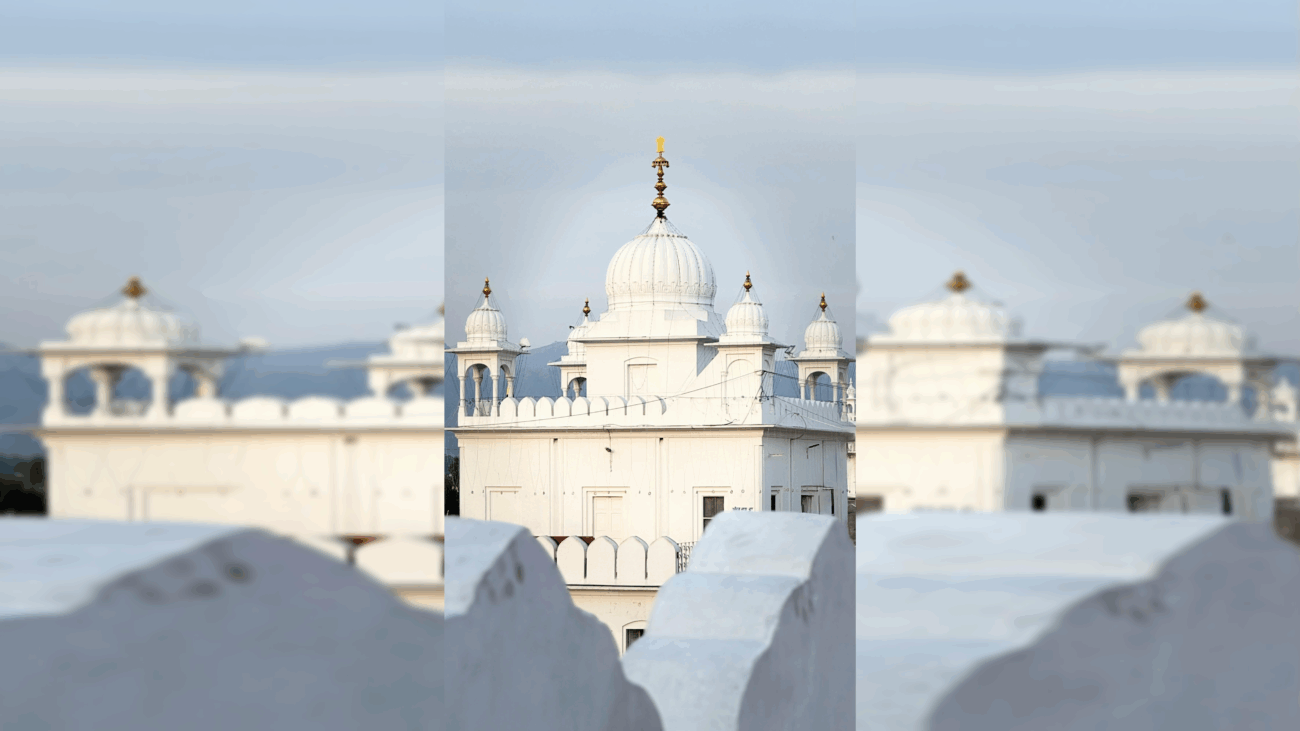
Takht Sri Keshgarh Sahib: The holiest gurudwara in Anandpur Sahib, where the Khalsa was founded by Guru Gobind Singh in 1699.
Anandpur Sahib Fort: A historic fort showcasing Sikh military heritage, with relics and panoramic views.
Virat-e-Khalsa: A state-of-the-art museum narrating Sikh history through interactive exhibits and galleries.
Bhakra Nangal Dam: A massive dam on the Sutlej River, 35 km away, offering scenic views and engineering marvels.
Gurudwara Sis Ganj Sahib: A sacred site marking the martyrdom of Guru Tegh Bahadur, with serene ambiance.
Hola Mohalla Grounds: The venue for the annual Hola Mohalla festival, featuring martial arts and cultural displays.
Sutlej River: A scenic riverbank ideal for reflection and connecting with the region’s natural beauty.
Things to Do
Visit Takht Sri Keshgarh Sahib: Offer prayers, listen to kirtans, and explore the site where the Khalsa Panth was established.
Attend Hola Mohalla: Experience the vibrant festival (March) with mock battles, Nihang warrior displays, and cultural performances.
Explore Virat-e-Khalsa: Dive into Sikh history through immersive exhibits, artifacts, and multimedia displays.
Tour Anandpur Sahib Fort: View historical weapons, relics, and enjoy views of the Shivalik hills.
Photography: Capture gurudwaras, festival processions, and the Sutlej River, especially during sunrise or Hola Mohalla.
Visit Bhakra Nangal Dam: Take a guided tour to marvel at this engineering feat and scenic reservoir.
Join Langar: Volunteer or partake in the free community kitchen at gurudwaras, embracing Sikh values of service.
Walk by Sutlej River: Stroll along the riverbank for serene views and spiritual reflection.
Local Culture and History
Anandpur Sahib’s history is deeply tied to Sikhism, founded by Guru Gobind Singh in 1665 as a spiritual and military stronghold. The establishment of the Khalsa in 1699 at Takht Sri Keshgarh Sahib marked a pivotal moment, shaping Sikh identity and martial traditions. The city witnessed battles against Mughal forces, cementing its legacy as a center of courage and faith. The annual Hola Mohalla festival, initiated by Guru Gobind Singh, showcases Nihang warriors’ martial arts, horse riding, and mock battles, drawing global crowds. Punjab’s vibrant culture thrives here, with locals known for bhangra, giddha, and warm hospitality. Cuisine includes makki di roti, sarson da saag, chole, and pinni, served at gurudwara langars and local dhabas. Markets sell phulkari embroidery, Sikh symbols, and handmade crafts. Festivals like Gurpurab and Hola Mohalla fill Anandpur Sahib with music and devotion, offering visitors a rich cultural immersion.
Best Time to Visit
Anandpur Sahib is a year-round destination, with October to March (autumn and winter, 5–25°C) being ideal for exploring gurudwaras, forts, and nearby sites, with cool weather and clear skies. March is especially vibrant due to Hola Mohalla, though it draws large crowds. April to June (spring and summer, 20–38°C) is suitable for early morning or evening visits to avoid heat; gurudwara interiors remain cool. The monsoon (July–September) brings moderate rain, enhancing the Sutlej’s flow but making roads slippery; carry umbrellas. Early mornings (5–8 AM) offer serene prayers, while evenings (4–7 PM) are lively with kirtans. Plan around Hola Mohalla (March 2025, dates TBD) or Gurpurab (November) for cultural vibrancy, but book accommodations early during festivals or peak seasons (October–March).
How to Reach
By Air: The nearest airport is Chandigarh International Airport (90 km away, ~2-hour drive), with flights from Delhi, Mumbai, and Bengaluru. Taxis from Chandigarh cost ~₹2000–3500. Alternatively, use Sri Guru Ram Dass Jee International Airport (Amritsar, 160 km, ~3–4-hour drive).
By Train: Anandpur Sahib Railway Station (2 km, ~10-minute drive) has limited connectivity. The nearest major station is Chandigarh (85 km, ~2 hours), with trains from Delhi, Mumbai, and Kolkata. Taxis or buses from Chandigarh cost ~₹1500–2500.
By Road: Anandpur Sahib is accessible via NH503 from Chandigarh (85 km, 2 hours) or Amritsar (160 km, 3–4 hours). HRTC buses, private taxis (~₹3000–5000 from Chandigarh), or shared cabs (~₹300–600 from Chandigarh) are available. Self-driven cars are common.
Local Transport: In Anandpur Sahib, walk to gurudwaras or hire auto-rickshaws (~₹50–200) or taxis (~₹200–500) for sites like the fort or dam; cycle rickshaws (~₹20–50) are available locally.
Travel Tips
Booking: Reserve hotels or gurudwara accommodations in advance during Hola Mohalla (March) or peak seasons (October–March).
Cost: Gurudwara entry and langar are free; Virat-e-Khalsa entry ~₹50–100; dam tours ~₹200–500 (as of 2023; verify current rates).
Dress: Wear modest clothing covering shoulders and legs; headscarves (provided at gurudwaras) are mandatory; comfortable shoes for walking.
Safety: Follow gurudwara protocols; avoid crowded areas during festivals; secure valuables in free lockers at gurudwaras.
Respect Local Culture: Maintain silence during prayers; seek permission before photographing Nihangs or rituals; avoid smoking or alcohol near sacred sites.
Connectivity: Mobile networks are reliable; Wi-Fi is limited; carry cash for local vendors and transport.
Environment: Avoid littering to preserve the city’s sanctity; use designated bins.
Accessibility: Gurudwaras and museums are wheelchair-accessible; inform staff for assistance at forts or crowded festival events.
Nearby Attractions
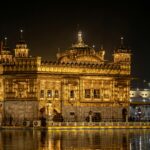
Golden Temple (160 km): The holiest Sikh shrine in Amritsar with its golden dome, Amrit Sarovar, and langar.
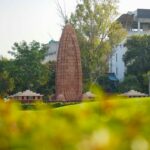
Jallianwala Bagh (160 km): A historic garden in Amritsar commemorating the 1919 massacre, with bullet-marked walls.
Wagah Border (180 km): The India-Pakistan border near Amritsar, famous for its Beating Retreat Ceremony.
Chandigarh (85 km): Punjab’s capital with Rock Garden, Sukhna Lake, and modernist architecture.
Ropar Wetland (40 km): A scenic wetland near Anandpur Sahib, ideal for birdwatching and nature walks.
Explore More
Discover other Punjab treasures like the iconic Golden Temple or the historic Jallianwala Bagh on our Punjab destinations page. Plan your spiritual and cultural journey with indiatourisminfo.com today!