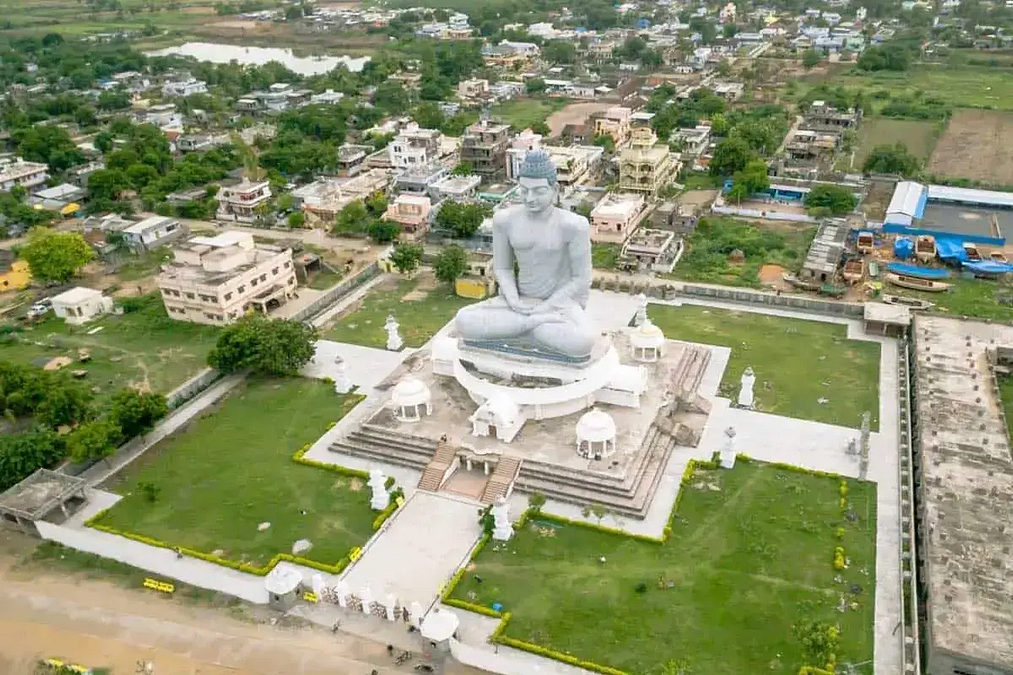
Resting serenely along the banks of the Krishna River like a whisper from ancient times, Amaravati in Andhra Pradesh stands as a timeless beacon of India’s Buddhist heritage and cultural legacy. Located in Guntur district at an altitude of 30 meters, this historic town, once a thriving capital of the Satavahana dynasty, is renowned for its ancient stupa and intricate carvings dating back to the 3rd century BCE. A spiritual and archaeological treasure akin to the natural allure of Araku Valley, Amaravati draws pilgrims, history enthusiasts, and travelers with its serene riverfront and Buddhist relics. For visitors to indiatourisminfo.com, Amaravati offers an enriching journey, whether you’re exploring ancient monasteries, meditating by the river, or immersing in Andhra’s vibrant traditions. This sacred destination, blending history and spirituality, is an unmissable gem in South India for those seeking to uncover India’s ancient past.
Key Attractions
Amaravati Stupa: A 2nd-century BCE Buddhist stupa with intricate limestone carvings, a symbol of ancient Buddhist art.
Archaeological Museum: A repository of Buddhist relics, sculptures, and Satavahana-era artifacts from the stupa site.
Dhyana Buddha Statue: A 125-foot-tall statue of Buddha, offering a serene spot for meditation and reflection.
Krishna Riverfront: The scenic banks of the Krishna River, ideal for peaceful walks and boat rides.
Amareswara Temple: An ancient Shiva temple with Dravidian architecture, a spiritual hub for locals.
Maha Chaitya Remains: Ruins of ancient Buddhist monasteries and viharas, showcasing Amaravati’s historical significance.
Undavalli Caves: Nearby rock-cut caves (10 km) with 4th-century Buddhist and Hindu sculptures.
Things to Do
Explore Amaravati Stupa: Admire the intricate carvings and remnants of this ancient Buddhist monument.
Visit Archaeological Museum: Study Buddhist sculptures, inscriptions, and Satavahana artifacts for historical insights.
Meditate at Dhyana Buddha Statue: Reflect or practice yoga near the towering statue, embracing its serene ambiance.
Stroll Krishna Riverfront: Walk along the river or take a boat ride for scenic views and relaxation.
Pray at Amareswara Temple: Offer prayers at this ancient Shiva temple, soaking in its Dravidian charm.
Photography: Capture the stupa’s carvings, river sunsets, or Dhyana Buddha against the Andhra skyline.
Attend Buddhist Festivals: Join celebrations like Buddha Purnima (May 2025, dates TBD) for cultural events and rituals.
Shop in Local Markets: Buy handicrafts, brassware, and Andhra spices in nearby Guntur or Amaravati town.
Local Culture and History
Amaravati, a prominent Buddhist center from the 3rd century BCE to the 13th century CE, was the capital of the Satavahana dynasty and a hub for Mahayana Buddhism. The Amaravati Stupa, built during Emperor Ashoka’s reign, is famed for its detailed carvings, influencing Buddhist art across Asia. The town’s history is tied to its role as a monastic center, with relics now preserved in museums worldwide. Amaravati’s culture thrives with Andhra traditions, featuring Carnatic music, Kuchipudi dance, and cuisine like pulihora, gongura pickle, and biryani. Local markets sell Kalamkari textiles and pearl jewelry, echoing Surajkund’s artisanal vibe. Festivals like Buddha Purnima and Sankranti bring vibrant celebrations, akin to Tirupati’s spiritual fervor. The Krishna River and nearby temples add to Amaravati’s blend of spirituality, history, and Andhra’s cultural warmth.
Best Time to Visit
Amaravati is a year-round destination, with October to March (autumn and winter, 15–30°C) ideal for exploring the stupa, museum, and riverfront, thanks to pleasant weather. May is vibrant with Buddha Purnima (2025 dates TBD), drawing pilgrims. April to June (spring and summer, 25–40°C) is suitable for early morning (6–9 AM) or evening visits (post-4 PM) to avoid heat; shaded areas offer relief. The monsoon (July–September) brings lush greenery and a swollen Krishna River but slippery paths; carry raincoats. Early mornings provide serene views and fewer crowds, while evenings are ideal for riverfront photography. Book accommodations in Guntur or Vijayawada early for festivals or peak seasons (October–March) to secure spots.
How to Reach
By Air: The nearest airport is Vijayawada International Airport (Gannavaram, 50 km away, ~1.5-hour drive), with flights from Hyderabad, Chennai, and Delhi. Taxis from the airport cost ~₹1000–2000.
By Train: The nearest railway station is Guntur Junction (30 km, ~1-hour drive), with trains from Hyderabad, Chennai, and Visakhapatnam. Taxis or auto-rickshaws from the station cost ~₹300–600. Vijayawada Junction (40 km, ~1.2 hours) is another option.
By Road: Amaravati is accessible via NH16 from Vijayawada (40 km, 1 hour) or Guntur (30 km, 1 hour). APSRTC buses, private taxis (~₹800–1500 from Vijayawada), or shared cabs (~₹100–300) are available. Self-driven cars have parking near the stupa.
Local Transport: From Guntur or Vijayawada, hire taxis (~₹500–1000) or auto-rickshaws (~₹200–400); cycle rickshaws (~₹50–100) are available in Amaravati town.
Travel Tips
Booking: Reserve accommodations in Guntur or Vijayawada for festivals like Buddha Purnima; no advance tickets needed for stupa or museum visits.
Cost: Stupa and riverfront access is free; Archaeological Museum ~₹20; Amareswara Temple entry is free (as of 2023; verify 2025 rates).
Dress: Wear comfortable clothing and shoes for walking; modest attire for temples; carry hats or raincoats for weather changes.
Safety: Secure valuables in crowded markets; follow ASI guidelines at the stupa; avoid unofficial guides.
Respect Local Culture: Maintain silence at Buddhist sites and temples; seek permission before photographing rituals; bargain politely in markets.
Connectivity: Mobile networks are reliable; Wi-Fi is available at hotels in Guntur; carry cash for small vendors and autos.
Environment: Avoid littering to preserve the heritage site and riverfront; use designated bins.
Accessibility: The stupa and museum have ramps; riverfront paths may be uneven; inform staff for assistance.
Nearby Attractions
Undavalli Caves (10 km): 4th-century rock-cut caves with Buddhist and Hindu sculptures, near Vijayawada.
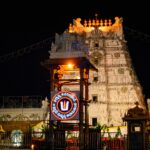
Sri Venkateswara Temple, Tirupati (400 km): A revered Hindu pilgrimage site with Dravidian architecture.
Bhavani Island (35 km): A scenic island on the Krishna River near Vijayawada, ideal for boating.
Kondapalli Fort (50 km): A 14th-century hill fort near Vijayawada, known for its historical significance.
Mangalagiri Temple (30 km): A Vaishnava temple dedicated to Lord Narasimha, with Dravidian architecture.
Explore More
Discover other Andhra Pradesh treasures like the historic Undavalli Caves or sacred Sri Venkateswara Temple on our Andhra Pradesh destinations page. Plan your spiritual and cultural journey with indiatourisminfo.com today!