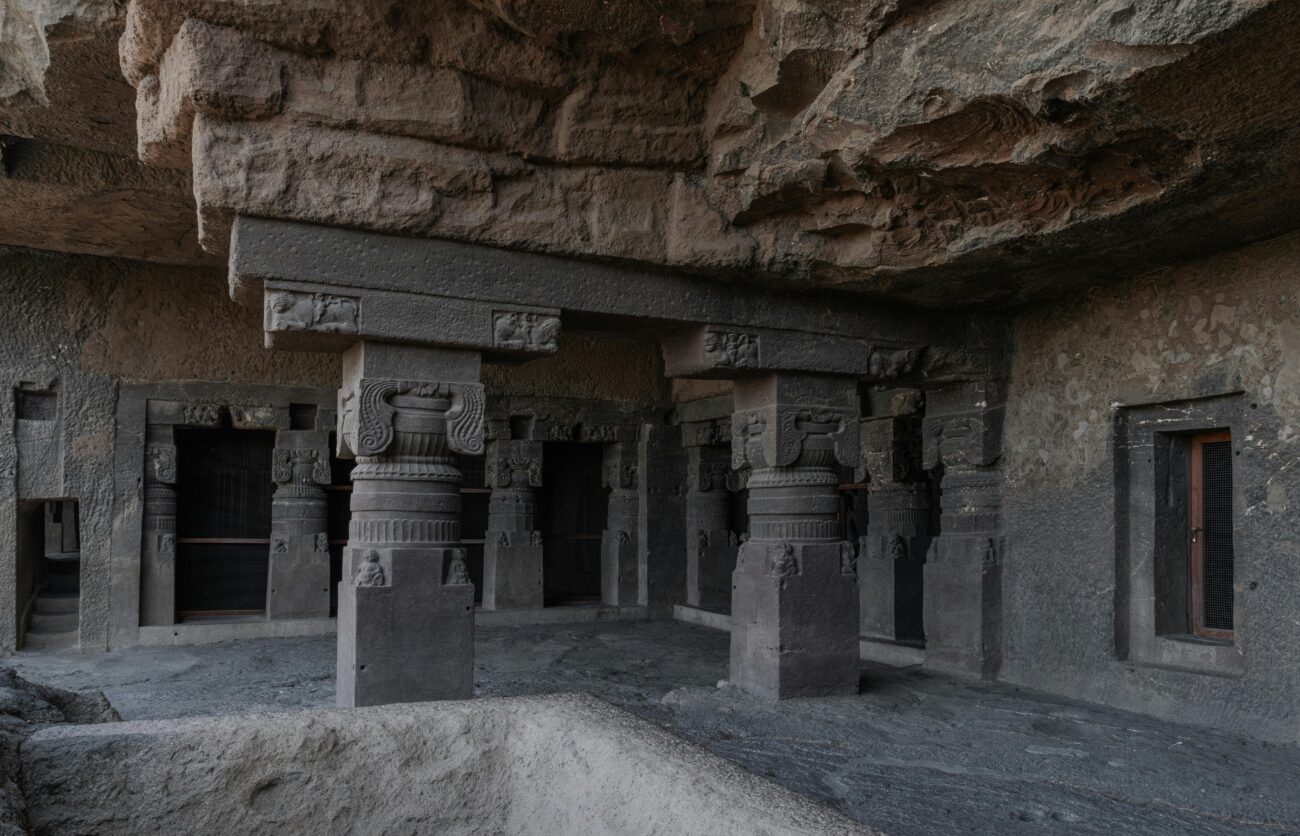
Carved into the rugged cliffs of the Deccan Plateau like ancient whispers of artistry, the Ajanta & Ellora Caves in Maharashtra stand as UNESCO World Heritage Sites, showcasing India’s unparalleled rock-cut architecture and spiritual legacy. Located near Aurangabad at an altitude of 600–700 meters, these caves, dating from the 2nd century BCE to the 8th century CE, are renowned for their Buddhist, Hindu, and Jain temples, adorned with intricate frescoes and sculptures. A historical masterpiece akin to the coastal grandeur of Gateway of India, these caves captivate with their ancient artistry and serene ambiance. For visitors to indiatourisminfo.com, Ajanta & Ellora offer an immersive journey, whether you’re marveling at Buddhist paintings, exploring Hindu temples, or tracing India’s ancient heritage. These rock-cut wonders, blending spirituality with Maharashtra’s cultural depth, are unmissable destinations in West India for history buffs, art lovers, and spiritual seekers.
Key Attractions
Ajanta Caves: 30 Buddhist caves (2nd century BCE–5th century CE) with vibrant frescoes and stupas.
Ellora Caves: 34 caves (6th–10th century CE) showcasing Buddhist, Hindu, and Jain rock-cut temples.
Cave 16 (Kailasa Temple, Ellora): A monolithic Hindu temple carved from a single rock, a marvel of Dravidian architecture.
Cave 1 (Ajanta): A Buddhist vihara with intricate paintings of Jataka tales and Bodhisattvas.
Bibi Ka Maqbara (nearby): A Mughal-era mausoleum, often called the “Mini Taj Mahal.”
Vishwakarma Cave (Ellora): A Buddhist chaitya with a grand stupa and detailed carvings.
Daulatabad Fort (nearby): A 14th-century hill fort with defensive architecture and panoramic views.
Things to Do
Explore Ajanta Caves: Admire frescoes and sculptures in caves 1, 2, 16, and 17, depicting Buddhist stories.
Visit Ellora Caves: Marvel at the Kailasa Temple (Cave 16) and explore Hindu, Buddhist, and Jain caves.
Photography: Capture the intricate carvings and paintings (non-flash, permitted areas).
Tour Daulatabad Fort: Climb to the hilltop for views and explore its historic defenses.
Visit Bibi Ka Maqbara: Admire its Mughal architecture and serene gardens.
Join Guided Tours: Take ASI-guided tours to learn about the caves’ history and artistry.
Attend Ellora-Ajanta Festival: Enjoy cultural performances and art exhibits (February–March 2025, dates TBD).
Savor Maharashtrian Cuisine: Relish misal pav, vada pav, or pithla bhakri at local eateries in Aurangabad.
Local Culture and History
The Ajanta Caves, carved between the 2nd century BCE and 5th century CE, were Buddhist monasteries adorned with frescoes depicting Jataka tales and Buddha’s life, reflecting the patronage of the Vakataka dynasty. The Ellora Caves, built between the 6th and 10th centuries CE under the Rashtrakuta and Chalukya dynasties, showcase a rare coexistence of Buddhist, Hindu, and Jain faiths, with the Kailasa Temple as a pinnacle of rock-cut engineering. Aurangabad’s culture thrives with Marathi traditions, including Lavani dance, Tamasha theatre, and cuisine like puran poli and bharli vangi. Local markets sell Paithani sarees and Himroo shawls, echoing Surajkund’s artisanal vibe. Festivals like Ganesh Chaturthi and the Ellora-Ajanta Festival bring vibrant celebrations, akin to Mumbai’s Ganesh Chaturthi allure. The caves’ blend of ancient artistry and Maharashtra’s cultural richness offers a profound cultural experience.
Best Time to Visit
Ajanta & Ellora Caves are best visited from October to March (autumn and winter, 15–30°C), ideal for exploring the caves and nearby forts, thanks to pleasant weather. February–March is vibrant with the Ellora-Ajanta Festival (2025 dates TBD), featuring cultural events. April to June (spring and summer, 25–40°C) is suitable for early morning (8–11 AM) or late afternoon visits (post-3 PM) to avoid heat; cave interiors stay cool. The monsoon (July–September) brings lush greenery but slippery paths; carry umbrellas and sturdy shoes. Early mornings offer fewer crowds, while afternoons suit detailed exploration. Book accommodations early for festival or peak seasons (October–March) to secure spots in Aurangabad or near the caves.
How to Reach
By Air: The nearest airport is Chhatrapati Shivaji Maharaj International Airport (Aurangabad, 10 km from Ellora, ~30-minute drive; 100 km from Ajanta, ~2-hour drive), with flights from Mumbai, Delhi, and Bengaluru. Taxis from the airport cost ~₹300–600 to Ellora, ~₹1500–2500 to Ajanta.
By Train: The nearest railway station is Aurangabad (15 km from Ellora, ~30-minute drive; 100 km from Ajanta, ~2-hour drive), with trains from Mumbai, Delhi, and Hyderabad. Taxis or auto-rickshaws from Aurangabad cost ~₹300–600 to Ellora, ~₹1500–2500 to Ajanta.
By Road: Ellora is 30 km from Aurangabad (45 minutes), and Ajanta is 100 km (2 hours) via NH752. MSRTC buses, private taxis (~₹1500–2500 from Aurangabad to Ajanta), or shared cabs (~₹200–400) reach the caves. Self-driven cars have parking at both sites.
Local Transport: From Aurangabad, hire taxis (~₹200–500 for Ellora, ~₹1500–2500 for Ajanta) or MSRTC buses (~₹50–150); auto-rickshaws (~₹100–300) connect to Ellora locally.
Travel Tips
Booking: Purchase cave entry tickets at the counters; book guided tours and accommodations for festivals like Ellora-Ajanta Festival in advance.
Cost: Ajanta/Ellora entry ~₹40 for Indians, ₹600 for foreigners; camera fee ~₹25 (as of 2023; verify 2025 rates).
Dress: Wear comfortable clothing and sturdy shoes for rocky paths; carry hats or umbrellas for sun or rain; modest attire for religious caves.
Safety: Secure valuables in crowded areas; follow ASI guidelines; avoid touching frescoes; be cautious on uneven cave floors.
Respect Local Culture: Maintain silence in caves; seek permission for photography in sacred areas; respect heritage preservation rules.
Connectivity: Mobile networks are reliable in Aurangabad; Wi-Fi is available at hotels; carry cash for rural vendors near caves.
Environment: Avoid littering to preserve the UNESCO sites; use designated bins; support eco-friendly operators.
Accessibility: Main caves are accessible; some have steep steps; wheelchairs available at Ellora’s Kailasa Temple; inform ASI staff for assistance.
Nearby Attractions
Bibi Ka Maqbara (15 km from Ellora): A Mughal-era mausoleum resembling the Taj Mahal.
Daulatabad Fort (13 km from Ellora): A 14th-century hill fort with intricate defenses.
Grishneshwar Temple (2 km from Ellora): A Jyotirlinga temple dedicated to Lord Shiva.
Aurangabad Caves (20 km from Ellora): Lesser-known Buddhist caves with scenic views.
Gateway of India (400 km): Mumbai’s iconic Indo-Saracenic monument by the harbor.
Explore More
Discover other Maharashtra treasures like the historic Gateway of India or scenic Daulatabad Fort on our Maharashtra destinations page. Plan your historical and cultural journey with indiatourisminfo.com today!