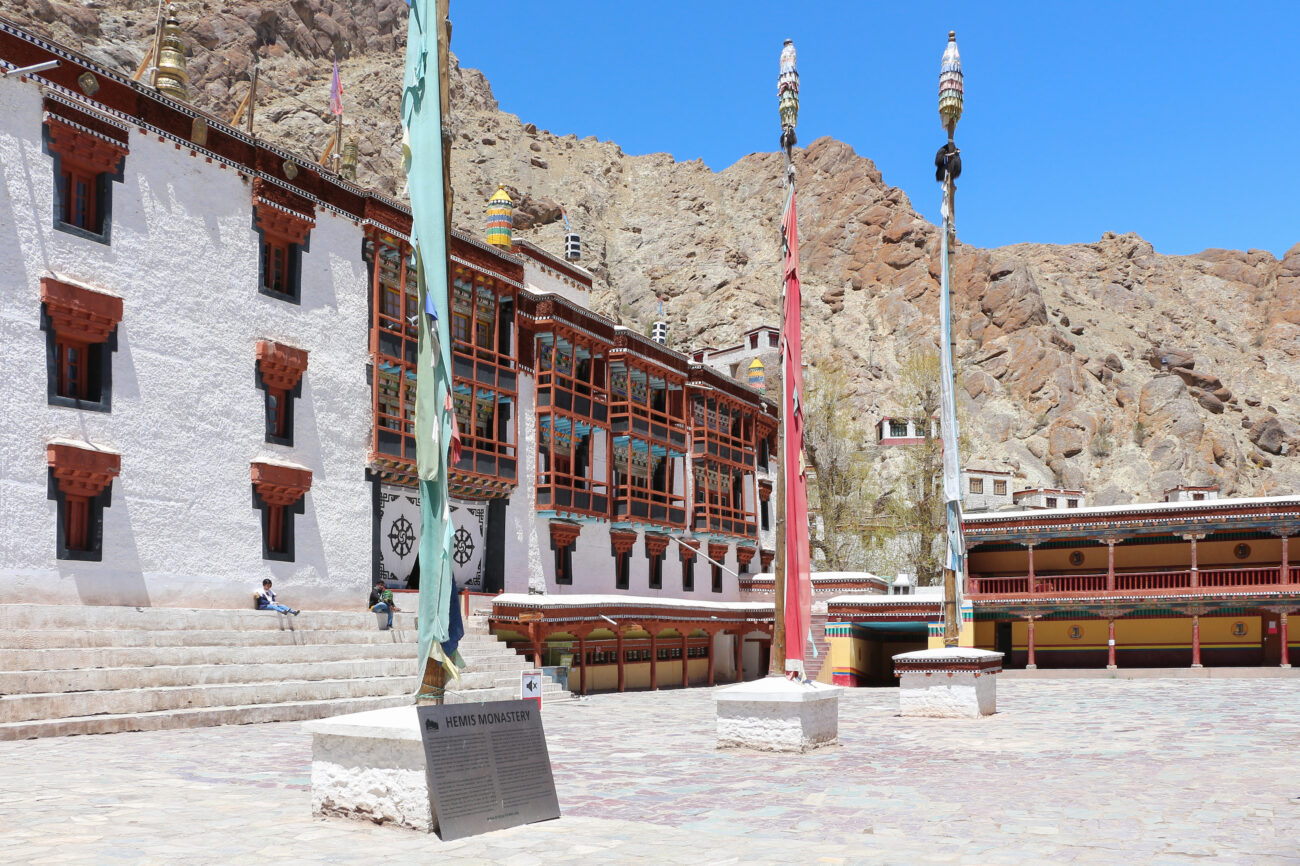
Nestled in the rugged Himalayan terrain of Ladakh, Jammu & Kashmir, Hemis Monastery stands as the largest and most revered Buddhist monastery in the region, a spiritual sanctuary that radiates peace and cultural richness. Perched at 3,600 meters along the banks of the Indus River, this 17th-century gompa, founded by the Drukpa lineage, is a vibrant center of Tibetan Buddhism, housing ancient thangkas, sacred statues, and a serene ambiance. Renowned for the annual Hemis Festival, which celebrates Guru Padmasambhava with vibrant masked dances, the monastery draws pilgrims, scholars, and travelers seeking spiritual solace and cultural immersion. Its mud-brick architecture, adorned with colorful murals and prayer wheels, blends seamlessly with the stark Ladakhi landscape, offering breathtaking views of the surrounding mountains. For visitors to indiatourisminfo.com, Hemis Monastery is a gateway to Ladakh’s Buddhist heritage, inviting you to explore its sacred halls, witness its living traditions, and soak in the tranquility of the Himalayas. Whether you’re a spiritual seeker or a cultural explorer, Hemis promises a profound journey into the heart of Ladakh’s soul.
Key Attractions
Main Prayer Hall: A sacred space with a large Guru Padmasambhava statue, intricate murals, and Buddhist scriptures.
Hemis Museum: A treasure trove of ancient thangkas, ritual artifacts, and relics, showcasing Ladakh’s Buddhist heritage.
Courtyard: The vibrant setting for the Hemis Festival, featuring masked cham dances and cultural performances.
Copper Buddha Statue: A massive gilded statue in the upper temple, a focal point for devotees.
Prayer Wheels: Large, colorful wheels around the monastery, spun for blessings and spiritual merit.
Roof Terrace: Offers panoramic views of the Indus Valley and snow-capped Himalayan peaks.
Monastery Library: Houses rare manuscripts and Buddhist texts, a haven for scholars and researchers.
Things to Do
Attend Hemis Festival: Witness the vibrant two-day festival (June/July), featuring masked dances, music, and rituals celebrating Guru Padmasambhava.
Explore the Museum: Discover centuries-old thangkas, bronze statues, and ritual items with historical significance.
Join a Guided Tour: Hire a local guide to learn about the monastery’s history, architecture, and Buddhist practices.
Meditation: Participate in meditation sessions with monks, offered during quieter months, for a spiritual experience.
Photography: Capture the monastery’s colorful architecture, prayer flags, and Himalayan vistas (photography may be restricted in sacred areas).
Spin Prayer Wheels: Engage in the Buddhist tradition of spinning wheels for blessings and positive karma.
Attend Morning Prayers: Experience the monks’ chanting and rituals in the prayer hall for a serene start to the day.
Hike Around the Monastery: Take short treks in the surrounding hills for scenic views and solitude.
Local Culture and History
Hemis Monastery, established in 1630 by Lama Stagtsang Raspa under the patronage of King Sengge Namgyal, is a cornerstone of Ladakh’s spiritual and cultural identity. As the wealthiest monastery in Ladakh, it belongs to the Drukpa lineage of Tibetan Buddhism Tibetan Buddhism, emphasizing meditation and tantric practices. The monastery’s history is tied to Guru Padmasambhava, the 8th-century saint who spread Buddhism across the Himalayas, and its annual festival commemorates his legacy with elaborate cham dances performed by monks in vibrant costumes. The local Ladakhi culture, deeply rooted in Tibetan Buddhism, is reflected in the monastery’s rituals, prayer flags, and butter lamps. Visitors can interact with monks and local Changpa nomads, who share stories of their high-altitude lives. Ladakhi cuisine, including thukpa (noodle soup), skyu (pasta stew), and butter tea, is available at nearby dhabas, offering a taste of local hospitality. The monastery also supports a school for young monks, preserving Buddhist teachings and traditions for future generations.
Best Time to Visit
The best time to visit Hemis Monastery is May to September, when Ladakh’s roads are accessible, and the weather is pleasant (10–25°C). June and July are ideal for attending the Hemis Festival, a vibrant celebration attracting global visitors, though it’s the peak season, so book early. May and September offer milder weather, fewer crowds, and clear views of the Himalayan landscape, perfect for photography and exploration. Winter (October–April) brings harsh cold (-15°C to 5°C) and snow, limiting access but offering a serene, crowd-free experience with a unique snowy ambiance. Early mornings are best for witnessing monk prayers and capturing the monastery’s architecture in soft light. Check the lunar calendar for the exact dates of the Hemis Festival (typically June/July) to plan your visit around this cultural highlight.
How to Reach
By Air: Fly to Kushok Bakula Rimpochee Airport (Leh, 40 km away, ~1-hour drive). Flights connect from Delhi, Mumbai, and Srinagar. Taxis from Leh to Hemis cost ~₹1500–2500.
By Train: The nearest railway station is Jammu Tawi (740 km, ~16–18 hours by road). Take a taxi or HRTC/JKSRTC bus to Leh, then hire a cab to Hemis.
By Road: From Leh, drive or take a taxi via NH1 along the Indus River (40 km, ~1 hour). Shared cabs (~₹200–500/person) or private taxis (~₹1500–2500) are available from Leh’s Main Bazaar. Guided tours from Leh often include Hemis.
Local Transport: In Hemis, the monastery is accessible by a short walk from the parking area; local taxis (~₹100–200) connect nearby villages.
Travel Tips
Acclimatization: Spend 1–2 days in Leh to adjust to the high altitude (3,600 meters) to avoid altitude sickness.
Cost: Entry to Hemis Monastery is ~₹50 for Indians, ₹100 for foreigners; festival entry may be extra (as of 2023; verify current rates).
Dress: Wear warm layers, comfortable shoes, and sunglasses; remove shoes and cover shoulders in sacred areas.
Safety: Avoid strenuous activity without acclimatization; carry water and stay hydrated at high altitudes.
Permits: Foreigners need an Inner Line Permit for Ladakh, obtainable online or in Leh; carry it for restricted areas.
Connectivity: Mobile networks are weak; Wi-Fi is limited; carry cash for entry fees and local vendors.
Respect Local Culture: Seek permission before photographing monks or rituals; avoid touching sacred artifacts.
Accessibility: The monastery involves steep steps; those with mobility issues may need assistance.
Nearby Attractions
Thiksey Monastery (20 km): A hilltop gompa resembling Potala Palace, with a giant Maitreya Buddha statue.
Shey Palace (25 km): A historic palace with a gilded Buddha statue and Indus Valley views.
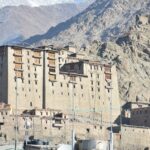
Leh Palace (40 km): A 17th-century royal fortress with a museum and panoramic Himalayan vistas.
Stok Palace (25 km): A royal residence with a museum showcasing Namgyal dynasty artifacts.
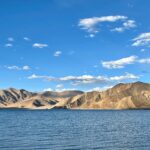
Pangong Lake (160 km): A stunning high-altitude lake with vibrant blue waters, ideal for a day trip.
Explore More
Discover other Ladakh treasures like the serene Pangong Lake or the historic Leh Palace on our Jammu & Kashmir destinations page. Plan your Himalayan adventure with indiatourisminfo.com today!