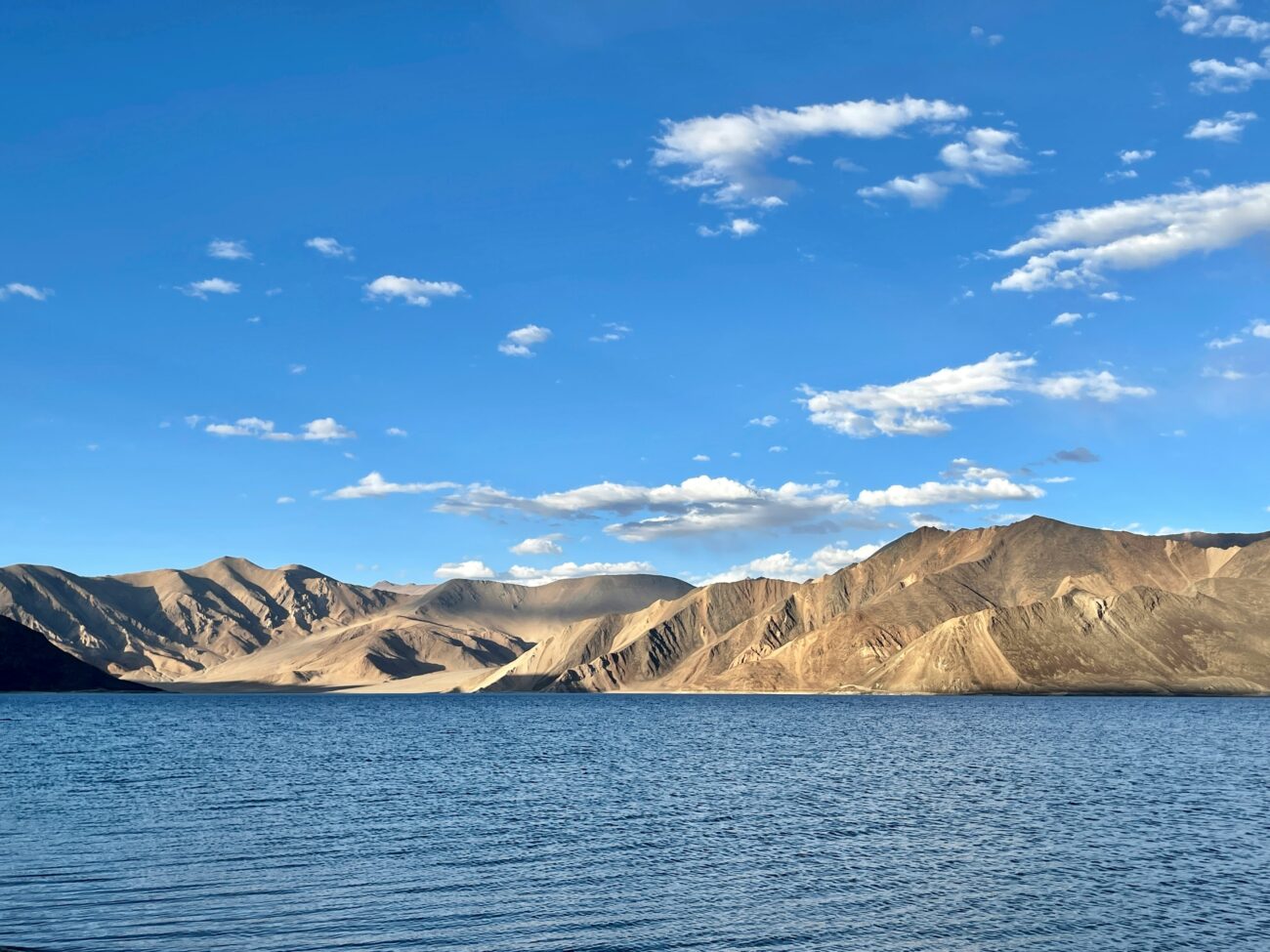
Nestled at an astonishing altitude of 4,350 meters in the stark, rugged landscapes of Ladakh, Jammu & Kashmir, Pangong Lake is a shimmering turquoise marvel that captivates travelers with its surreal beauty. Stretching over 134 kilometers, with one-third in India and the rest in China, this high-altitude saltwater lake is renowned for its ever-changing hues, reflecting shades of blue, green, and purple under the Himalayan sun. Framed by barren mountains and clear skies, Pangong gained fame through Bollywood films like 3 Idiots, drawing adventurers, photographers, and nature lovers to its tranquil shores. Its remote location along the Line of Actual Control adds an aura of mystique, while its serene ambiance offers a profound sense of peace. For visitors to indiatourisminfo.com, Pangong Lake is a bucket-list destination, blending raw natural splendor with cultural glimpses of Ladakhi life. Whether camping by its shores, capturing its vibrant colors, or exploring nearby monasteries, Pangong promises an unforgettable journey into the heart of Ladakh’s high-altitude wilderness.
Key Attractions
Vibrant Lake Colors: Witness the lake’s mesmerizing hues, shifting from turquoise to deep blue, especially at sunrise and sunset.
Himalayan Backdrop: Marvel at the rugged, snow-dusted mountains encircling the lake, creating a dramatic landscape.
Shooting Point: Visit the iconic spot from 3 Idiots, featuring a small bridge and scenic lake views.
Chang La Pass: A high-altitude pass (5,360 meters) en route to Pangong, offering breathtaking vistas.
Spangmik Village: A quaint Ladakhi village near the lake, showcasing local life and hospitality.
Birdwatching Spots: Spot migratory birds like bar-headed geese and black-necked cranes along the lake’s shores.
Prayer Flags: Colorful Tibetan prayer flags fluttering by the lake, adding spiritual charm.
Things to Do
Photography: Capture the lake’s vibrant colors, especially during sunrise or sunset, with the Himalayas as a backdrop.
Camping: Stay in lakeside camps for an immersive experience under starry skies, with cozy tents and bonfires.
Birdwatching: Bring binoculars to spot rare migratory birds, a treat for wildlife enthusiasts.
Scenic Drive: Enjoy the thrilling journey through Chang La Pass, with stops for photography and tea.
Village Walks: Stroll through Spangmik Village to meet locals, sample Ladakhi tea, and explore traditional homes.
Stargazing: Experience one of the clearest night skies in India, ideal for astrophotography.
Guided Tours: Join a local guide to learn about the lake’s geology, history, and cultural significance.
Meditation: Find a quiet spot by the lake for a serene meditation session amidst nature’s tranquility.
Local Culture and History
Pangong Lake, located in the Changthang region of Ladakh, is steeped in the cultural and historical tapestry of this high-altitude desert. The lake’s name, derived from the Tibetan word “Pangong Tso” (high grassland lake), reflects its significance to the nomadic Changpa tribes who herd yaks and goats in the region. These tribes, known for their resilience in harsh climates, maintain a semi-nomadic lifestyle, and visitors can witness their traditional tents and livestock near Spangmik Village. Ladakh’s Buddhist heritage is evident in the prayer flags and small stupas dotting the lake’s shores, symbolizing peace and spirituality. Historically, Pangong was a key point along ancient trade routes, connecting Ladakh to Tibet and Central Asia. Today, its proximity to the India-China border adds a layer of geopolitical intrigue, though the area remains safe for tourists with proper permits. Local cuisine, including thukpa, skyu (pasta stew), and butter tea, can be savored at camps or nearby dhabas, offering a taste of Ladakhi warmth. Festivals like Losar and monastery events bring vibrant celebrations, with masked dances and communal feasts.
Best Time to Visit
The ideal time to visit Pangong Lake is May to September, when the roads from Leh are open, and the weather is pleasant (10–20°C during the day). Summer (June–August) is peak season, with clear skies and vibrant lake colors, though it attracts more tourists. May and September offer milder weather, fewer crowds, and excellent conditions for photography and camping. Winter (October–April) is extremely cold (-20°C to 0°C), and the lake partially freezes, creating a surreal icy landscape but limiting access due to snow-blocked roads like Chang La Pass. Early mornings provide the best light for photography, while late afternoons offer warm hues. Check for local festivals like Losar (February–March) to experience Ladakhi culture, but book accommodations early during peak seasons to avoid shortages.
How to Reach
By Air: Fly to Kushok Bakula Rimpochee Airport (Leh, 160 km away, ~5–6-hour drive). Flights connect from Delhi, Mumbai, and Srinagar. Hire a taxi from Leh to Pangong (~₹8000–12,000 round trip).
By Train: The nearest railway station is Jammu Tawi (850 km, ~18–20 hours by road). Take a taxi or HRTC/JKSRTC bus to Leh, then proceed to Pangong via a private cab or tour operator.
By Road: From Leh, drive via Chang La Pass on the Leh-Pangong route (160 km, 5–6 hours). Private taxis, shared cabs (~₹1000–1500/person), or guided tours are available. Self-driven vehicles or motorbikes are popular but require permits and acclimatization.
Local Transport: Near the lake, walking or short taxi rides (~₹200–500) connect Spangmik Village and key viewpoints.
Travel Tips
Acclimatization: Spend 2–3 days in Leh to adjust to the high altitude (4,350 meters) to avoid acute mountain sickness (AMS).
Cost: Lake entry is free, but camping costs ~₹2000–5000/night; taxi tours from Leh ~₹8000–12,000 (as of 2023; verify current rates).
Dress: Pack heavy woolens, windproof jackets, sunglasses, and sunscreen for cold, sunny conditions.
Safety: Carry oxygen cans or Diamox for altitude sickness; avoid strenuous activity without acclimatization.
Permits: Foreigners need an Inner Line Permit for Pangong, obtainable online or in Leh; Indians may need one for restricted areas.
Connectivity: Mobile networks are unreliable; satellite phones are available at some camps; carry cash for local vendors.
Environment: Avoid littering to preserve the lake’s pristine ecosystem; use designated bins.
Health: Stay hydrated, carry snacks, and consult a doctor before traveling to high altitudes.
Nearby Attractions
Hemis Monastery (40 km from Leh): Ladakh’s largest monastery, known for its Hemis Festival and ancient thangkas.
Thiksey Monastery (20 km from Leh): A hilltop gompa resembling Potala Palace, with Buddhist artifacts and views.
Shey Palace (15 km from Leh): A historic palace with a giant Buddha statue and Indus Valley views.
Leh Palace (160 km): A 17th-century royal fortress with a museum and Himalayan vistas.
Tso Moriri (240 km): Another high-altitude lake in Changthang, ideal for a multi-day trip.
Explore More
Discover other Ladakh treasures like the historic Leh Palace or the adventurous Nubra Valley on our Jammu & Kashmir destinations page. Plan your Himalayan adventure with indiatourisminfo.com today!