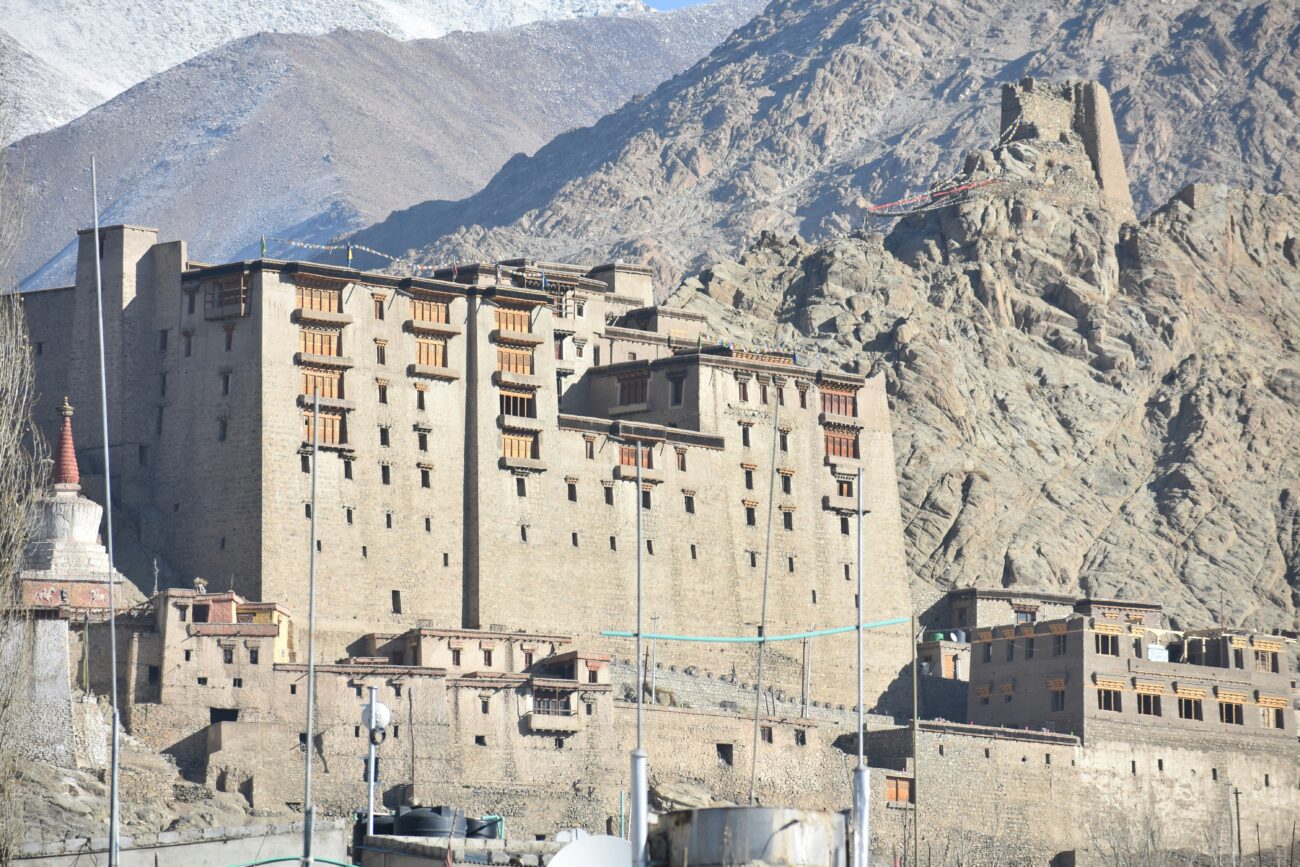
Perched majestically atop a hill in the heart of Leh, Ladakh, the Leh Palace stands as a towering testament to the region’s royal heritage and rugged Himalayan beauty. Built in the 17th century by King Sengge Namgyal, this nine-story edifice, often compared to Tibet’s Potala Palace, once served as the residence of the Namgyal dynasty, rulers of Ladakh. Constructed with mud bricks, stone, and wood, the palace blends Tibetan and Ladakhi architectural styles, offering panoramic views of the snow-capped Stok Kangri and Zanskar ranges. Despite its partial ruin, the palace’s weathered walls and ancient chambers whisper tales of Ladakh’s storied past, making it a magnet for history buffs, culture enthusiasts, and photographers. For visitors to indiatourisminfo.com, Leh Palace offers a unique blend of history, spirituality, and breathtaking vistas, inviting you to step into a world where time seems to stand still. Whether exploring its royal relics or soaking in the serene Himalayan ambiance, this iconic fortress is a must-visit cornerstone of Ladakh’s cultural and historical landscape.
Key Attractions
Royal Chambers: Explore the ancient rooms with faded frescoes and wooden carvings, showcasing Ladakhi royalty.
Rooftop Terrace: Enjoy 360-degree views of Leh town, the Indus Valley, and Himalayan peaks like Stok Kangri.
Palace Museum: A small museum displaying royal artifacts, thangka paintings, and Buddhist relics.
Victory Tower: A historic structure built to commemorate Ladakh’s victories, offering elevated views.
Prayer Room: A sacred space with Buddhist statues and murals, reflecting Ladakh’s spiritual heritage.
Tsemo Gompa: A nearby monastery above the palace, accessible via a short climb, with vibrant prayer flags.
Namgyal Stupa: A white-domed stupa near the palace, adding to the spiritual ambiance.
Things to Do
Guided Palace Tour: Join a local guide to uncover the history of the Namgyal dynasty and architectural details.
Photography: Capture the palace’s rugged façade, rooftop views, and the golden hues of Leh at sunset.
Visit Tsemo Gompa: Climb to the nearby monastery for spiritual insights and panoramic vistas.
Explore the Museum: Discover artifacts like ancient coins, jewelry, and thangkas in the palace’s museum.
Attend Cultural Events: Check for festivals like the Leh Festival, featuring Ladakhi music and dance near the palace.
Trekking: Take short treks around the palace hill for closer views of the Himalayan landscape.
Shopping in Leh Market: Browse nearby markets for Ladakhi handicrafts, such as prayer wheels and woolen shawls.
Stargazing: Enjoy clear night skies from the palace’s rooftop, a prime spot for astrophotography.
Local Culture and History
Leh Palace is a cornerstone of Ladakh’s cultural and historical identity, reflecting its past as the political and cultural heart of the Namgyal dynasty. Built in the early 1600s, the palace was a hub for royal ceremonies and Buddhist traditions, with its design inspired by Tibetan architecture. The Namgyal rulers, who governed Ladakh until the 19th century, used the palace as a strategic vantage point, overlooking trade routes along the Indus Valley. Today, maintained by the Archaeological Survey of India, the palace preserves Ladakh’s heritage through its museum and restored sections. The local Ladakhi culture, deeply rooted in Tibetan Buddhism, is evident in the palace’s prayer rooms and nearby monasteries, where monks chant mantras and prayer wheels spin. Visitors can engage with locals at Leh’s Main Bazaar, sampling Ladakhi cuisine like thukpa (noodle soup) and momos. Festivals like Losar (Ladakhi New Year) and Hemis Festival bring the region alive with masked dances and vibrant rituals, offering a glimpse into Ladakh’s syncretic Buddhist and tribal traditions.
Best Time to Visit
Leh Palace is accessible year-round, but the best time to visit is May to September, when the weather is pleasant (10–25°C), and roads to Ladakh are open. Summer (June–August) is ideal for clear views and cultural festivals like the Leh Festival, though it’s the peak tourist season. Spring (May) and autumn (September) offer mild weather and fewer crowds, perfect for exploring the palace and nearby sites. Winter (October–April) brings freezing temperatures (-10°C to 5°C) and snow, making access challenging but offering a serene, crowd-free experience with stunning snowy vistas. Early mornings provide the best light for photography, while evenings offer cooler temperatures for rooftop exploration. Check festival calendars for events like Losar (February–March) to experience Ladakhi culture at its vibrant best.
How to Reach
By Air: Fly to Kushok Bakula Rimpochee Airport (Leh, 4 km away, ~10-minute drive). Flights connect from Delhi, Mumbai, and Srinagar. Taxis to Leh Palace cost ~₹300–500.
By Train: The nearest railway station is Jammu Tawi (700 km, ~15–18 hours by road). From Jammu, take a taxi or HRTC/JKSRTC bus to Leh via Srinagar and Kargil, a scenic but long journey.
By Road: Leh is accessible via NH1 from Srinagar (420 km, ~10–12 hours) or Manali (470 km, ~12–14 hours). Private taxis (~₹10,000–15,000) or shared cabs are available. The palace is a short walk or taxi ride from Leh’s Main Bazaar.
Local Transport: In Leh, hire local taxis or auto-rickshaws (~₹100–200) to reach the palace, or walk uphill from the town center (15–20 minutes).
Travel Tips
Acclimatization: Spend 1–2 days in Leh to adjust to the high altitude (3,500 meters) to avoid altitude sickness.
Cost: Entry to Leh Palace is ~₹20 for Indians, ₹100 for foreigners; guided tours ~₹500–1000 (as of 2023; verify current rates).
Dress: Pack warm layers, sunglasses, and sunscreen, as Leh’s weather can be cold and sunny even in summer.
Safety: Avoid strenuous activity initially due to low oxygen levels; carry water and stay hydrated.
Permits: Foreigners need an Inner Line Permit for Ladakh, obtainable online or in Leh.
Connectivity: Mobile networks are limited; Wi-Fi is available at some guesthouses; carry cash for small vendors.
Respect Local Culture: Dress modestly, remove shoes in prayer rooms, and seek permission before photographing monks.
Accessibility: The palace involves steep climbs; those with mobility issues may need assistance.
Nearby Attractions
Shanti Stupa (2 km): A white-domed stupa offering panoramic views of Leh and the Himalayas, ideal for sunset visits.
Hemis Monastery (40 km): Ladakh’s largest monastery, known for its annual Hemis Festival and ancient thangkas.
Pangong Lake (160 km): A stunning high-altitude lake with vibrant blue waters, perfect for a day trip.
Spituk Monastery (8 km): A hilltop gompa with Buddhist artifacts and views of the Indus River.
Leh Market (1 km): A vibrant bazaar for Ladakhi handicrafts, jewelry, and local cuisine.
Explore More
Discover other Ladakh treasures like the mesmerizing Pangong Lake or the spiritual Hemis Monastery on our Jammu & Kashmir destinations page. Plan your Himalayan adventure with indiatourisminfo.com today!